Introduction
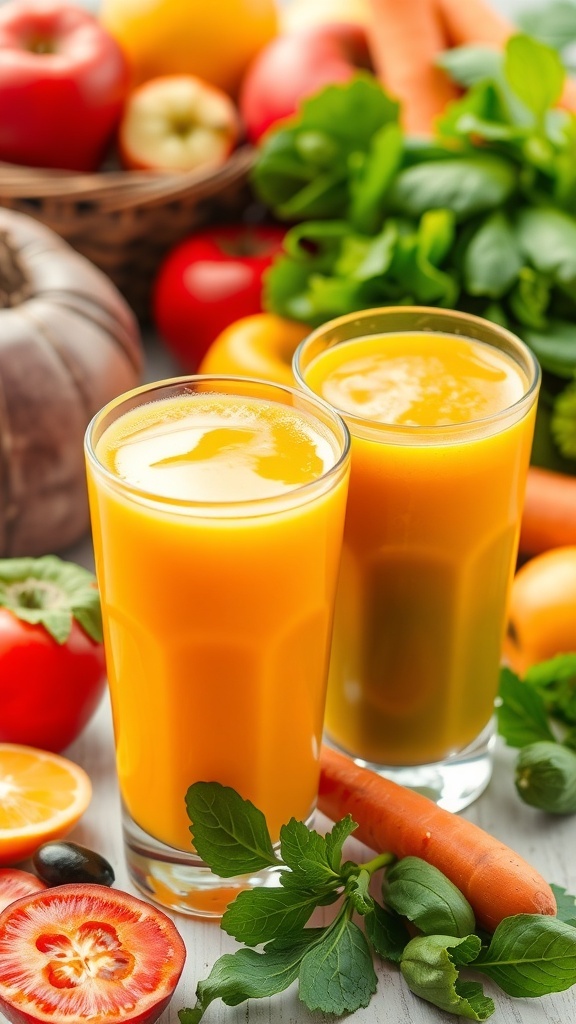
Breakfast juice recipes encompass traditional, cold-pressed, or hand-squeezed fruit and vegetable extractions designed to complement hearty morning meals with concentrated nutrients and vibrant acidity. According to the Culinary Institute of America (CIA) Standards, maintaining proper temperature control below 40°F during fruit and vegetable processing is essential for preserving volatile aromatic compounds and maximizing vitamin retention in fresh morning beverages. Exploring these beverages enhances the morning table alongside hearty Breakfast Recipes.
Culinary Prep Snapshot:
- Core Focus: Direct extraction of fresh fruit and vegetable juices for morning vitality.
- Target Scope: Traditional home kitchens seeking wholesome, chemical-free liquid accompaniments.
- Key Recommendation: Consume freshly extracted juices immediately to prevent oxidation and nutrient loss.
Core Principles and Detailed Overview
Breakfast juice recipes rely on precise pairing of high-acid citrus fruits, earthy root vegetables, and crisp orchard apples to achieve a balanced flavor profile that stimulates the palate without overwhelming morning digestion. Traditional extraction techniques prioritize mechanical mastication or manual reaming over high-speed centrifugal blending to minimize heat friction, thereby protecting delicate enzymes and ascorbic acid. Balancing sweet notes from carrots or oranges with tart accents from lemons creates a refreshing beverage that cuts through heavy, fat-laden morning plates.
Key Specifications and Breakdown
| Cooking Step / Component | Key Culinary Technique | Chef’s Quality & Food Safety Secret |
|---|---|---|
| Produce Selection | Hand-inspecting firm, unblemished seasonal roots and citrus. | Wash all whole produce thoroughly in cold running water before cutting to eliminate surface microbes. |
| Extraction Method | Slow cold-press mastication or traditional glass manual reaming. | Keep blades and reamers chilled prior to use to prevent frictional heat from degrading delicate vitamins. |
| Storage & Serving | Airtight glass bottling filled to the brim to reduce oxygen exposure. | Store unpasteurized juices strictly below 41°F and consume within twenty-four hours for safety. |
Raw produce intended for fresh juicing must be thoroughly washed under running potable water, even when peels or rinds are removed, to prevent cross-contamination from soil-borne pathogens during mechanical processing. — USDA Food Safety and Inspection Service (FSIS)
Step-by-Step Practical Application and Guidelines
Executing superior breakfast juice recipes begins with meticulous mise en place, ensuring all ingredients are washed, hulled, and chopped to feed smoothly into extraction equipment. Begin by processing harder roots like ginger and carrots, allowing their dense fibers to clear the auger, followed by softer, high-water content items like oranges, grapefruits, or celery. Stir the combined extracts gently with a long-handled stainless steel spoon to homogenize natural sediment before pouring the liquid into chilled glassware.
Common Challenges and How to Avoid Them
Rapid oxidation and bitter separation present the most frequent obstacles when preparing morning juices ahead of time. Prevent discoloration and metallic off-flavors by adding a few drops of fresh lemon juice to apple or pear bases, which acts as a natural antioxidant shield. Furthermore, avoiding excessive pulp accumulation by utilizing a fine-mesh stainless steel strainer ensures a smooth, refined mouthfeel reminiscent of classic old-fashioned hotel service.
💬 Frequently Asked Questions
Explore More Time-Tested Home Recipes on WillyRecipes
Mastering the art of morning beverages elevates daily comfort cooking into a refined culinary ritual. Discover additional comforting inspirations, scratch-made accompaniments, and artisanal techniques by exploring the complete collection at WillyRecipes.com.
Recipe Step Photos & Variations