Introduction
Traditional breakfast recipes veg indian encompass a diverse, nutrient-dense array of spiced flatbreads, fermented grain batters, and tempered porridges designed to balance energy and digestion at the start of the day. According to Culinary Institute of America (CIA) Standards, utilizing precise heat management and whole-spice tempering releases volatile essential oils that maximize flavor complexity without relying on excessive fats. Exploring traditional vegetarian morning meals from the Indian subcontinent offers home cooks a masterclass in balancing textures, utilizing whole grains, and incorporating anti-inflammatory aromatics into daily family routines. Culinary enthusiasts seeking reliable comfort food can expand their repertoire through related collections such as Breakfast Recipes and Vegetarian & Vegan dishes.
Culinary Prep Snapshot:
- Core Focus: Nutrient-dense, plant-based morning meals built on ancient grains, legumes, and aromatic spices.
- Target Scope: Everyday home-style cooking focused on digestion, sustainable energy, and authentic regional flavor profiles.
- Key Recommendation: Always temper whole spices in hot oil or ghee before adding base ingredients to extract maximum aromatic compounds.
Core Principles and Detailed Overview
Breakfast recipes veg indian rely fundamentally on the Ayurvedic concept of kindifying digestive fire through warm, freshly prepared ingredients and therapeutic spice blends. Mastery of dishes like idli, dosa, poha, and paratha requires understanding grain fermentation times, hydration levels, and moisture control during cooking. Traditional home cooks prioritize whole, unprocessed ingredients, utilizing lentils and rice for complete proteins alongside mustard seeds, curry leaves, and green chilies for micronutrients and digestive stimulation. To complement these morning staples with savory accompaniments, home cooks often consult Sauces & Condiments for traditional chutneys.
Key Specifications and Breakdown
| Cooking Step / Component | Key Culinary Technique | Chef’s Quality & Food Safety Secret |
|---|---|---|
| Grain Fermentation (Idli/Dosa) | Controlled ambient temperature resting (28°C to 32°C) | Maintain a stable environment for wild lactic acid bacteria to create an optimal aerated batter structure safely. |
| Spices Tempering (Tadka) | Hot fat infusion with whole seeds and aromatics | Never burn mustard seeds; remove the pan from heat the moment the seeds begin popping to prevent bitter flavors. |
| Flattened Rice Hydration (Poha) | Rinsing in a colander without soaking | Drain excess water immediately so individual rice flakes remain separate, fluffy, and non-mushy during the toss. |
Strict adherence to proper temperature control during grain soaking and batter fermentation prevents harmful bacterial proliferation while optimizing natural yeast activity. — USDA Food Safety and Inspection Service (FSIS)
Step-by-Step Practical Application and Guidelines
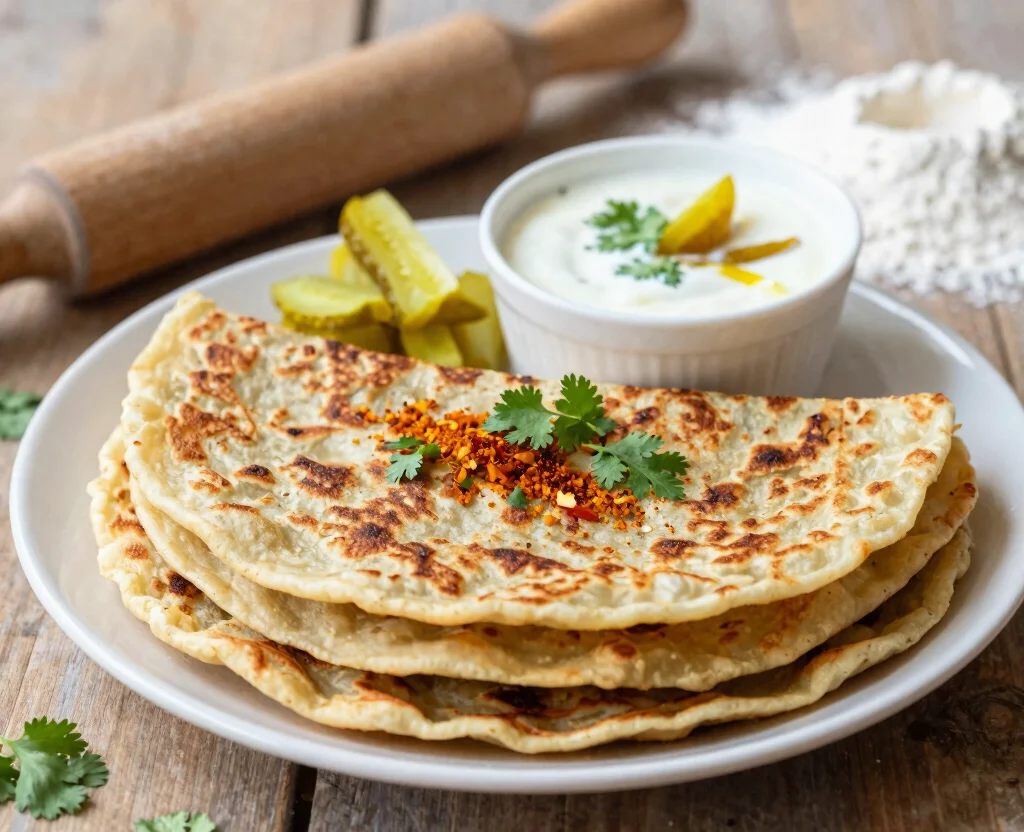
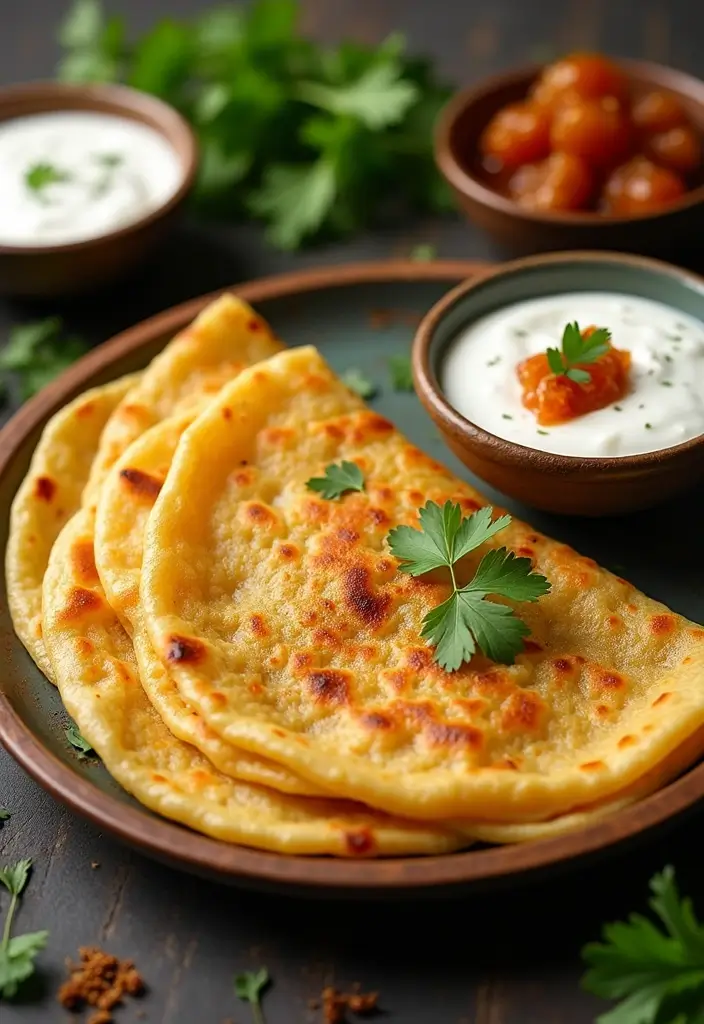
Executing authentic morning dishes requires disciplined sequencing, beginning with mise en place for all aromatics, spices, and flours before the heat is turned on. When preparing flattened rice dishes, gently rinse the flakes under cold water until pliable, allowing them to rest while preparing the onion, turmeric, and peanut base. For stuffed flatbreads, ensure the dough rests adequately to relax gluten strands, making rolling effortless and preventing fillings from bursting through the crust. Consistent heat distribution on a seasoned cast-iron griddle ensures even browning and ideal textural contrast between crisp exteriors and tender interiors.
Common Challenges and How to Avoid Them
Common culinary hurdles include dense fermented batters, gummy grain textures, and scorched spices that impart an unpalatable bitterness to the finished dish. Prevent flat, dense idlis by verifying that the fermentation environment remains consistently warm and by folding aerated batter gently rather than aggressively stirring out trapped gases. If flattened rice turns overly sticky, adjust the initial rinse duration and ensure the moisture is completely drained before introducing the flakes to the skillet. Maintaining moderate burner heat during spice tempering prevents scorching and preserves the delicate essential oils of curry leaves and asafoetida.
💬 Frequently Asked Questions
Explore More Time-Tested Home Recipes on WillyRecipes
Expanding culinary horizons with time-honored dishes creates a deeply rewarding kitchen experience for family planners and comfort food enthusiasts alike. Discover additional comforting meals, traditional techniques, and global home-style dishes by browsing the complete recipe collection at WillyRecipes.com.
Recipe Step Photos & Variations