Introduction
Traditional vegetarian North Indian breakfast recipes center around nourishing, spice-infused wheat and lentil dishes designed to sustain high physical energy throughout the morning. According to Culinary Institute of America (CIA) Standards, mastering foundational wet-heat and dry-heat tempering techniques ensures optimal starch gelatinization and spice extraction in traditional regional cooking. Exploring authentic Breakfast Recipes brings time-tested heritage cooking directly to domestic kitchens, utilizing wholesome grains, legumes, and aromatic spices. Establishing rigorous prep routines allows home cooks to replicate centuries-old comfort food traditions with absolute consistency and safety.
Culinary Prep Snapshot:
- Core Focus: Traditional vegetarian North Indian morning meals featuring flatbreads, porridges, and savory lentil cakes.
- Target Scope: Family meal planning, weekend feasts, and old-fashioned comfort food preparation.
- Key Recommendation: Always temper whole spices in hot oil or ghee before incorporating wet ingredients to unlock volatile flavor compounds.
Core Principles and Detailed Overview
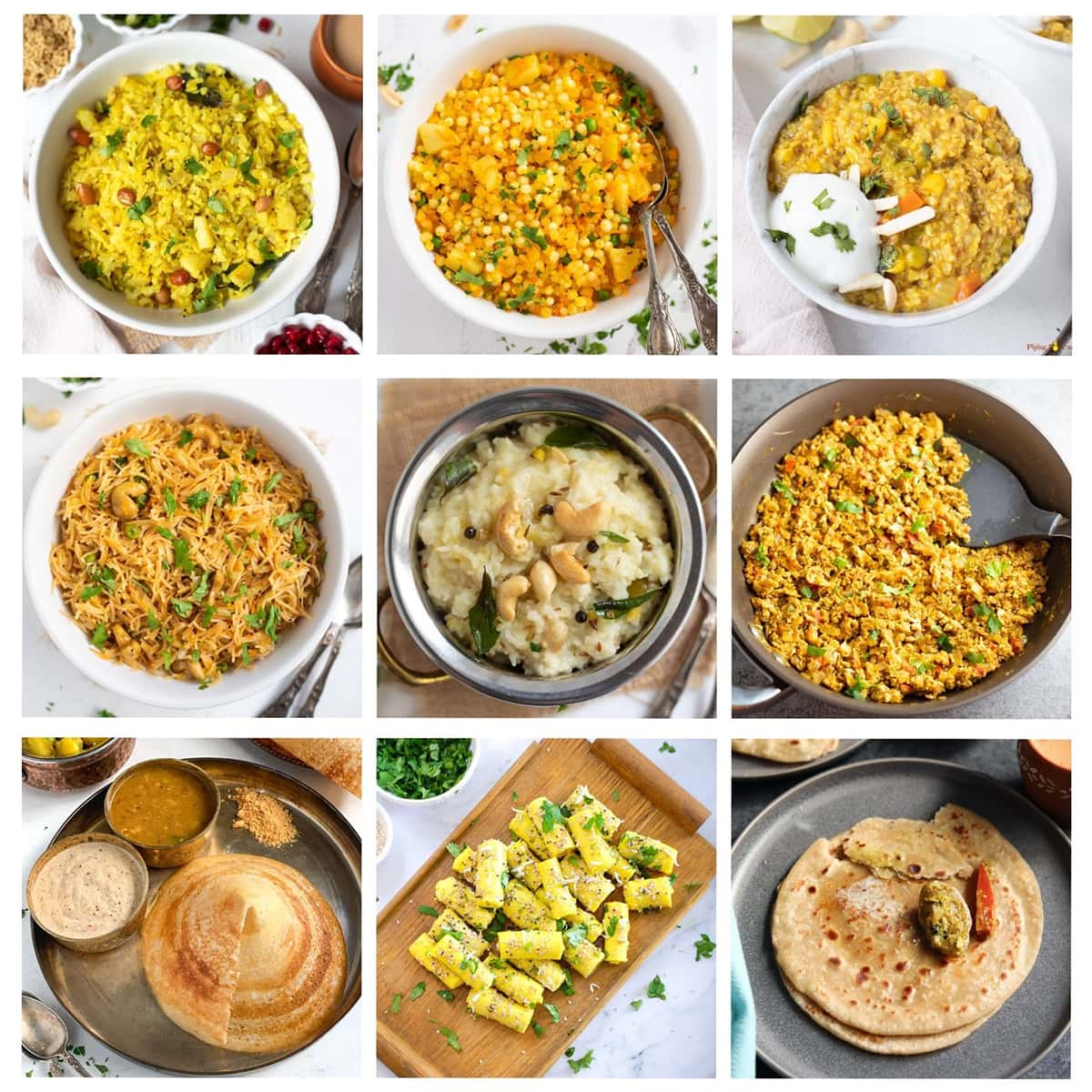
Authentic North Indian vegetarian morning cuisine relies on the balanced interplay of complex carbohydrates, healthy fats, and aromatic seed spices. Direct heat application through traditional iron griddles (twas) and heavy-bottomed vessels creates the signature textures required for classic flatbreads like stuffed parathas and fermented lentil batters like idlis or dhoklas found across the Vegetarian & Vegan collection. Precision in water ratios and fermentation timing dictates the structural integrity and digestibility of these heritage dishes. Culinary execution demands respect for resting times, allowing gluten matrices to relax and whole grains to hydrate fully before cooking.
Key Specifications and Breakdown
| Cooking Step / Component | Key Culinary Technique | Chef’s Quality & Food Safety Secret |
|---|---|---|
| Wheat Dough Hydration | Autolyse and manual kneading | Resting the dough for thirty minutes ensures soft, pliable flatbreads without tearing. |
| Spice Tempering (Tadka) | Fat blooming at high smoke points | Add whole cumin and mustard seeds to shimmering ghee to release fat-soluble aromatics instantly. |
| Lentil Batter Fermentation | Controlled ambient temperature proofing | Maintain a stable temperature of 28°C to 32°C for optimal natural yeast and bacterial activity. |
Ensure proper thermal holding and rapid cooling protocols for perishable dairy-based accompaniments like paneer and yogurt to prevent microbial proliferation. — USDA Food Safety and Inspection Service (FSIS)
Step-by-Step Practical Application and Guidelines
Executing traditional North Indian morning meals begins with organizing mise en place, specifically measuring stone-ground whole wheat flours, aged basmati rice, split yellow mung lentils, and fresh aromatics like ginger, green chilies, and cilantro. Heat a seasoned cast-iron skillet over medium flame before deploying rolled unleavened flatbreads stuffed with spiced potatoes or grated cauliflower. Apply clarified butter sparingly during the final roasting phase to achieve an even golden-brown crust without rendering the pastry greasy. Serve immediately alongside freshly churned yogurt, homemade pickles, and steaming cups of spiced tea found within Drinks & Beverages.
Common Challenges and How to Avoid Them
Stiff flatbreads and soggy stuffings represent the most frequent pitfalls encountered when preparing traditional North Indian morning dishes. Prevent dry parathas by incorporating adequate moisture during the initial dough kneading phase and ensuring the cooking surface maintains high heat to seal in internal steam. Over-stuffing dough balls leads to tearing; keep stuffing ratios balanced relative to the surrounding outer dough layer. Controlling moisture levels in vegetable fillings by pre-cooking and draining excess water eliminates the risk of dough ruptures on the griddle.
💬 Frequently Asked Questions
Explore More Time-Tested Home Recipes on WillyRecipes
Expanding culinary repertoires beyond morning meals remains effortless when utilizing reliable, heritage-focused guides available across the comprehensive index at WillyRecipes.com. Discover additional inspiration by browsing through seasonal Snacks & Sides designed to complement traditional dining tables.
Recipe Step Photos & Variations