Introduction
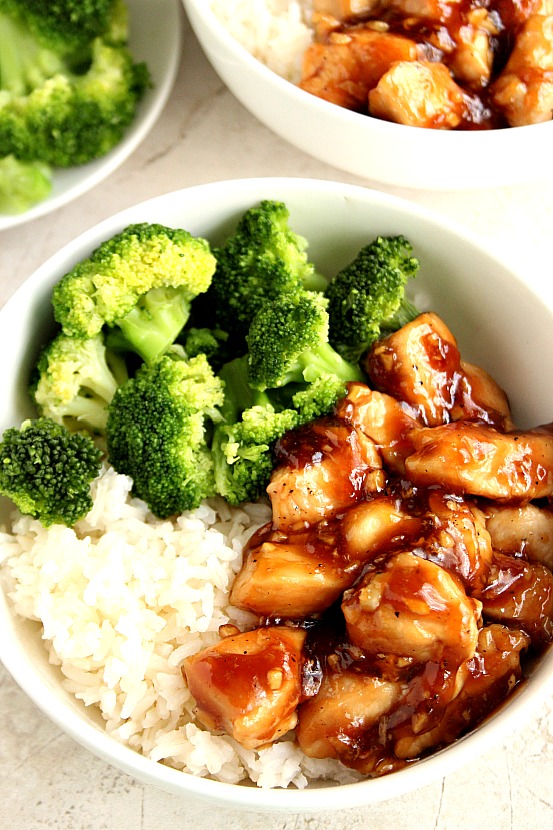
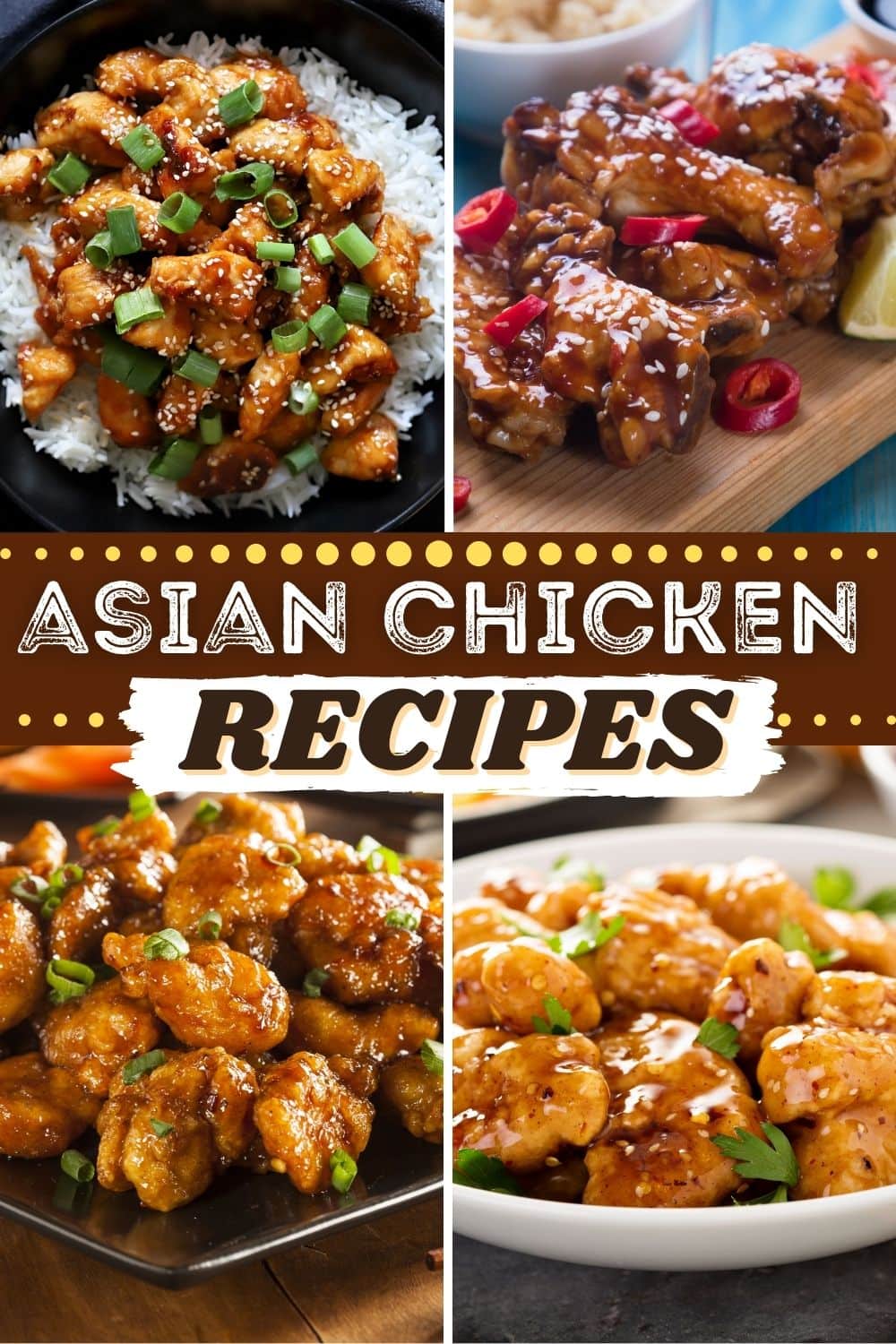
Chicken recipes asian style encompass centuries-old regional cooking traditions that emphasize balanced flavor profiles, high-heat wok techniques, and precise aromatic layering. According to Culinary Institute of America (CIA) Standards, mastering foundational moisture retention techniques such as velveting ensures poultry remains tender when subjected to rapid regional cooking methods. Home-style traditional cooking relies on pantry staples like soy sauce, ginger, garlic, and fermented bean pastes to build depth without relying on heavy dairy fats. Exploring these authentic preparations transforms standard poultry into comforting, flavor-dense family meals grounded in historical culinary wisdom. Expanding culinary repertoires often begins with mastering foundational Chicken Recipes suited for everyday meal planning.
Culinary Prep Snapshot:
- Core Focus: Traditional eastern flavor profiles applied to versatile poultry cuts.
- Target Scope: Old-fashioned home-style comfort food preparations and authentic cooking methods.
- Key Recommendation: Maintain high heat and slice proteins uniformly against the grain for optimal tenderness.
Core Principles and Detailed Overview
Authentic preparation of Asian-style chicken dishes requires an understanding of thermal dynamics, precise cutting techniques, and the science of umami extraction. High-heat stir-frying, braising in clay pots, and gentle poaching represent traditional methods designed to preserve natural juices while infusing deep aromatics into the meat. Slicing poultry uniformly guarantees even cooking durations, preventing tough, overcooked textures common in home kitchens. Integrating complementary side dishes from Pasta & Rice Recipes provides the ideal starchy foundation to absorb rich pan sauces and savory reductions.
Key Specifications and Breakdown
| Cooking Step / Component | Key Culinary Technique | Chef’s Quality & Food Safety Secret |
|---|---|---|
| Protein Preparation | Velveting or Cornstarch Coating | Protects meat fibers from direct high heat to lock in natural moisture. |
| Thermal Processing | Flash Stir-Frying / Clay Pot Braising | Maintains rigorous wok hei or steady simmering temperatures for optimal texture. |
| Finishing & Seasoning | Aromatic Infusion & Reduction | Add volatile aromatics at precise intervals to prevent scorching and bitterness. |
Raw poultry must reach a safe minimum internal temperature of 165°F (74°C) as verified by a digital food thermometer inserted into the thickest portion of the meat. — USDA Food Safety and Inspection Service (FSIS)
Step-by-Step Practical Application and Guidelines
Executing traditional poultry dishes successfully demands meticulous mis en place, ensuring all ingredients are chopped, measured, and staged before applying heat. Woks or heavy cast-iron skillets must achieve smoking points before introducing oils and proteins to prevent sticking and encourage proper searing. Layering ingredients sequentially—hard aromatics first, delicate leafy greens last—prevents overcooking and preserves distinct vegetable textures. Balancing sweet, sour, salty, and bitter notes through carefully measured additions of rice vinegar, palm sugar, and fermented soy creates the signature harmony defining these classic comfort foods. Balancing complex flavor profiles often pairs wonderfully with fresh accompaniments found within Snacks & Sides collections.
Common Challenges and How to Avoid Them
Overcrowding the cooking vessel remains the primary obstacle home cooks face, leading to steaming rather than searing the poultry. Batch cooking prevents pan temperature drops and guarantees proper crust development on marinated meat strips. Utilizing unseasoned pans or incorrect cooking oils with low smoke points frequently causes burning and acrid flavors. Selecting neutral oils with high smoke points, such as avocado or peanut oil, ensures clean flavors that allow complex ginger, garlic, and scallion aromatics to shine without interference.
💬 Frequently Asked Questions
Explore More Time-Tested Home Recipes on WillyRecipes
Mastering traditional global comfort foods requires patience, high-quality ingredients, and reliable instructional resources designed for everyday domestic kitchens. Exploring the broader culinary library available across WillyRecipes.com provides endless inspiration for wholesome, family-friendly meals. Discover additional techniques, classic comfort food techniques, and heritage cooking methods across all catalog categories to elevate every home-cooked dining experience.
Recipe Step Photos & Variations