Introduction
Traditional chicken recipes australia center on time-tested comfort food classics that emphasize local farming heritage, hearty root vegetables, and reliable stovetop or oven baking methods. According to the United States Department of Agriculture Food Safety and Inspection Service (FSIS), maintaining proper temperature controls during preparation remains essential for safeguarding home-cooked poultry dishes. Mastering these regional favourites involves understanding classic flavor profiles, such as aromatic herbs, citrus accents, and rich butter sauces, which elevate standard poultry dinners into memorable family feasts. Home cooks seeking diverse meal inspiration can explore supplementary ideas through the dedicated Chicken Recipes collection.
Culinary Prep Snapshot:
- Core Focus: Traditional Australian-style chicken cooking techniques for hearty family meals.
- Target Scope: Everyday home kitchens and traditional comfort food preparation.
- Key Recommendation: Always verify internal meat temperatures to guarantee safety while preserving moisture.
Core Principles and Detailed Overview
Classic Australian chicken cookery relies on foundational principles of proper browning, slow braising, and precise roasting to build deep, savory flavor profiles. Selecting free-range birds ensures superior fat distribution, which naturally self-bastes the meat during extended baking cycles. Traditional recipes often incorporate pantry staples like Worcestershire sauce, fresh garden herbs, and rich chicken stock to create velvety pan gravies. For individuals expanding their culinary repertoire beyond poultry, pairing these dinners with side dishes found in the Snacks & Sides catalog creates a well-rounded dining experience.
Key Specifications and Breakdown
| Cooking Step / Component | Key Culinary Technique | Chef’s Quality & Food Safety Secret |
|---|---|---|
| Preparation and Seasoning | Dry brining with coarse salt | Refrigerate uncovered for four hours to dehydrate skin for maximum crispiness. |
| Thermal Cooking Phase | Hard sear followed by oven roasting | Brown skin over medium-high heat first to render subcutaneous fat completely. |
| Resting and Carving | Ambient temperature thermal equalization | Allow roasted poultry to rest undisturbed for fifteen minutes before slicing to retain juices. |
Poultry must reach a safe minimum internal temperature of 74°C (165°F) measured in the thickest part of the meat without touching bone. — USDA Food Safety and Inspection Service (FSIS)
Step-by-Step Practical Application and Guidelines
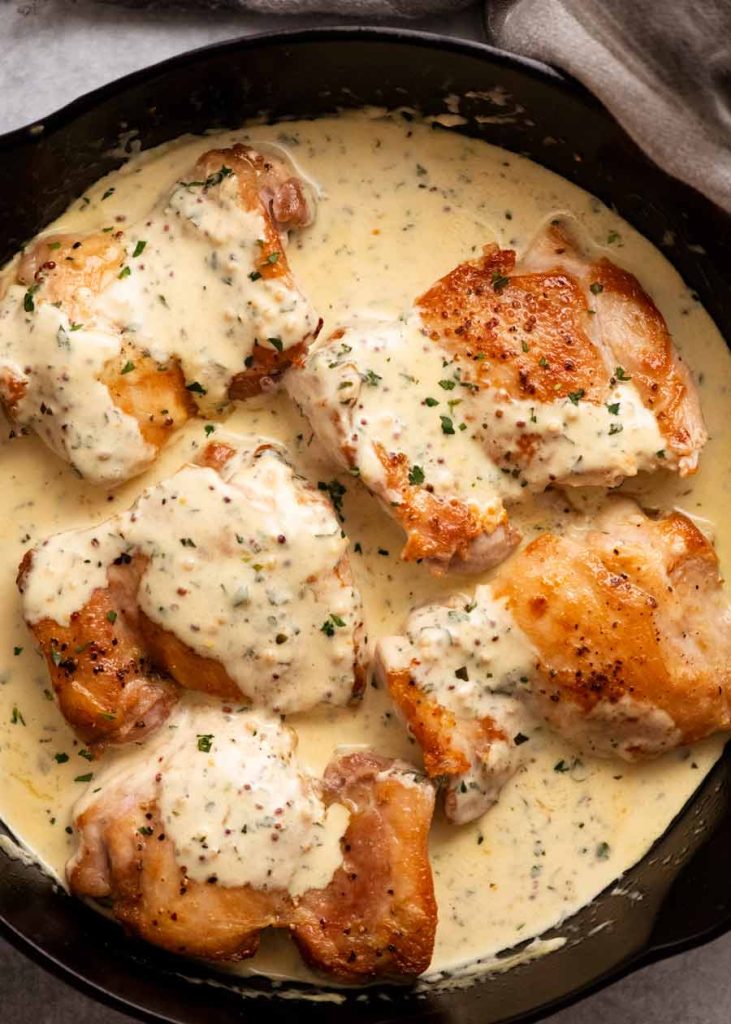
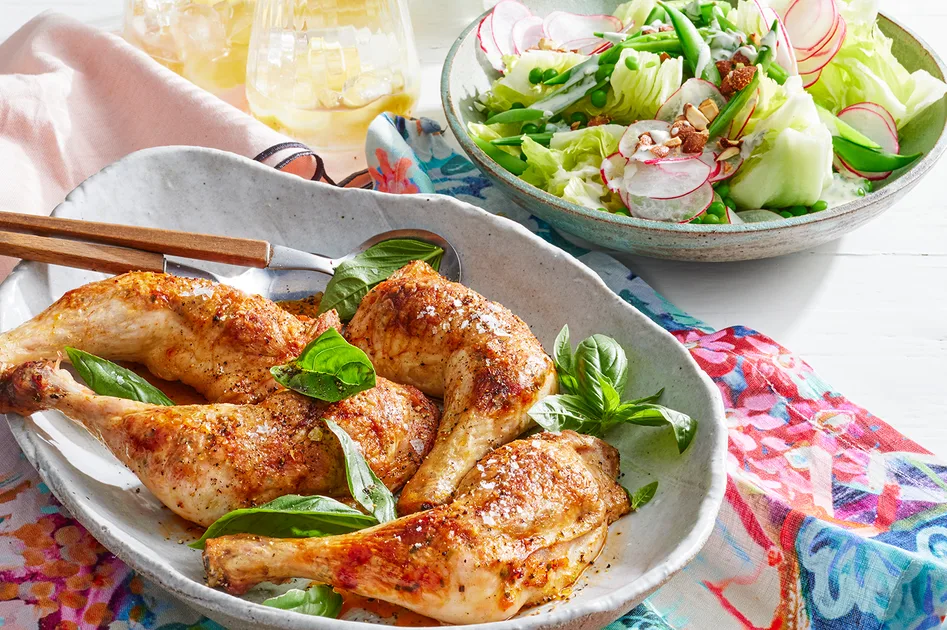
Executing authentic chicken dishes requires systematic preparation, starting with thorough surface drying and generous seasoning using coarse sea salt and cracked black pepper. Sear the chicken pieces in a heavy-bottomed cast-iron skillet until deep golden brown, then transfer the pan directly into a preheated oven to finish cooking gently. Incorporating aromatics like garlic cloves, rosemary sprigs, and lemon halves into the roasting pan infuses the surrounding juices with vibrant regional flavor. Once cooked through, remove the poultry and whisk flour and chicken stock into the remaining pan drippings to create an authentic, glossy gravy.
Common Challenges and How to Avoid Them
Preventing dry, flavorless meat requires managing oven temperatures carefully and avoiding overcooking lean breast cuts during extended baking times. Utilizing bone-in, skin-on cuts naturally protects the delicate muscle fibers from excessive heat exposure, yielding tender and succulent results every single time. Additionally, overcrowding the baking dish creates steam rather than roast, preventing the skin from achieving a desirable golden crunch. Ensuring adequate space between individual pieces guarantees proper heat circulation throughout the entire cooking vessel.
💬 Frequently Asked Questions
Explore More Time-Tested Home Recipes on WillyRecipes
Mastering traditional comfort foods brings warmth and satisfaction to family dining tables across every season. Discover additional inspiring dishes, baking techniques, and hearty home-style meals by exploring the complete culinary collection at WillyRecipes.com.
Recipe Step Photos & Variations