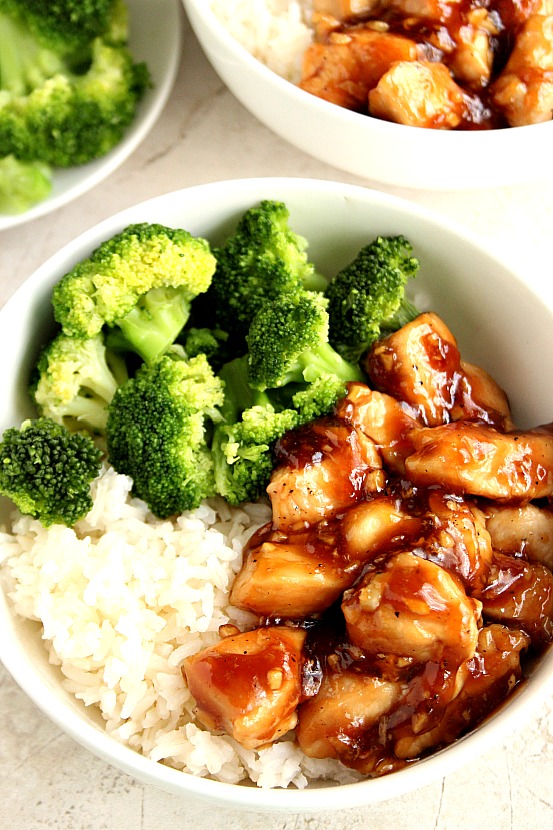
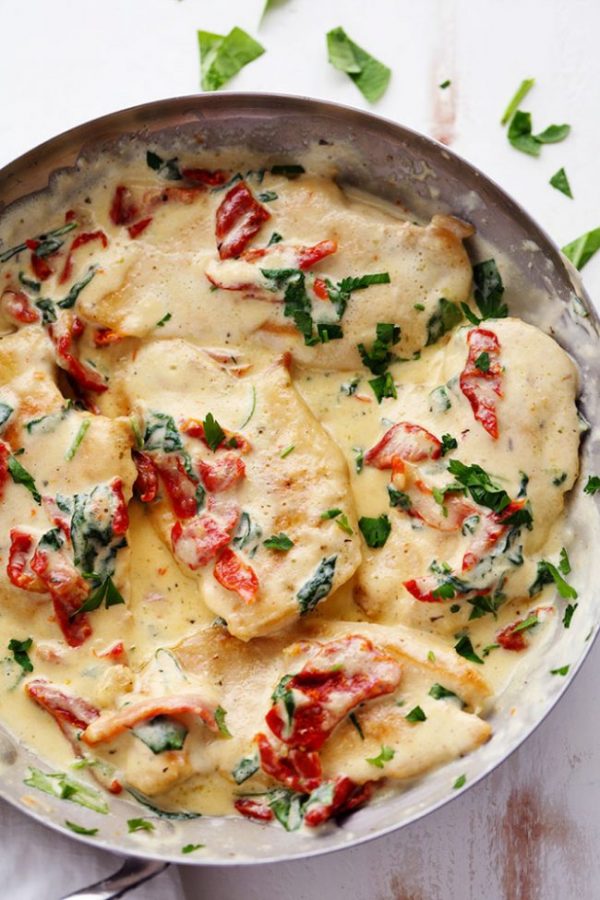
Introduction
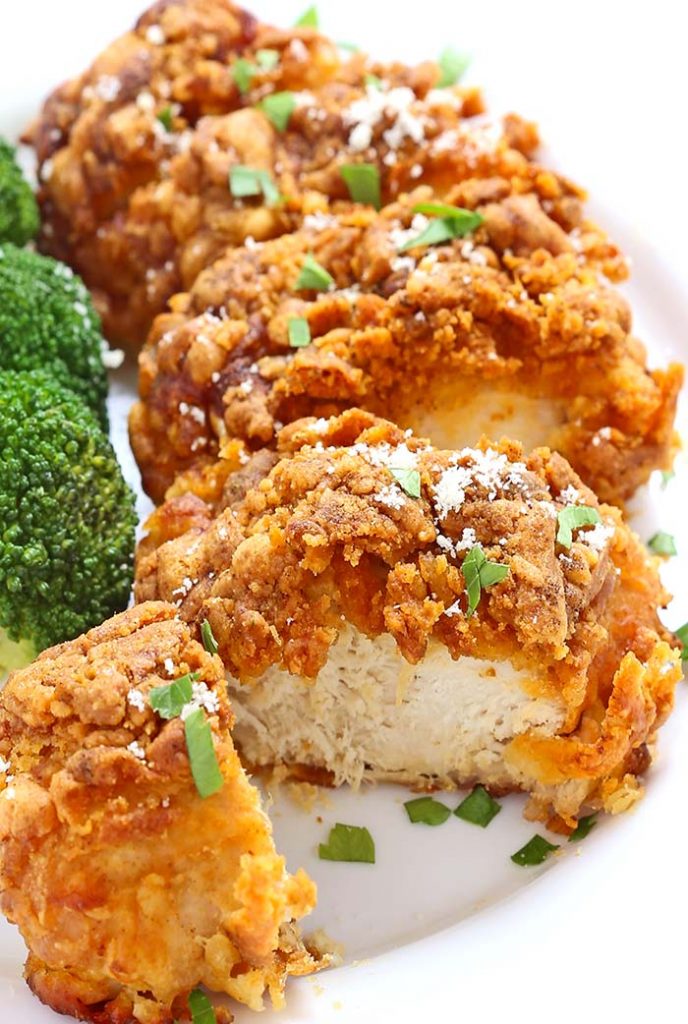
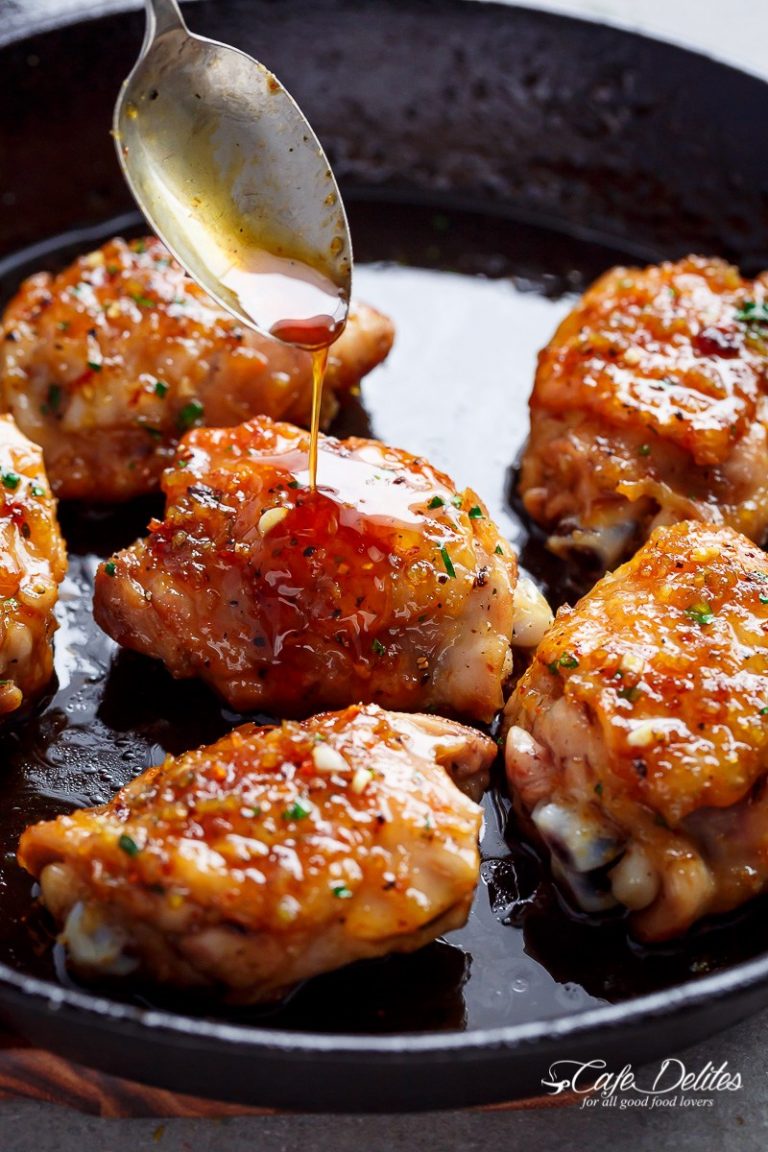
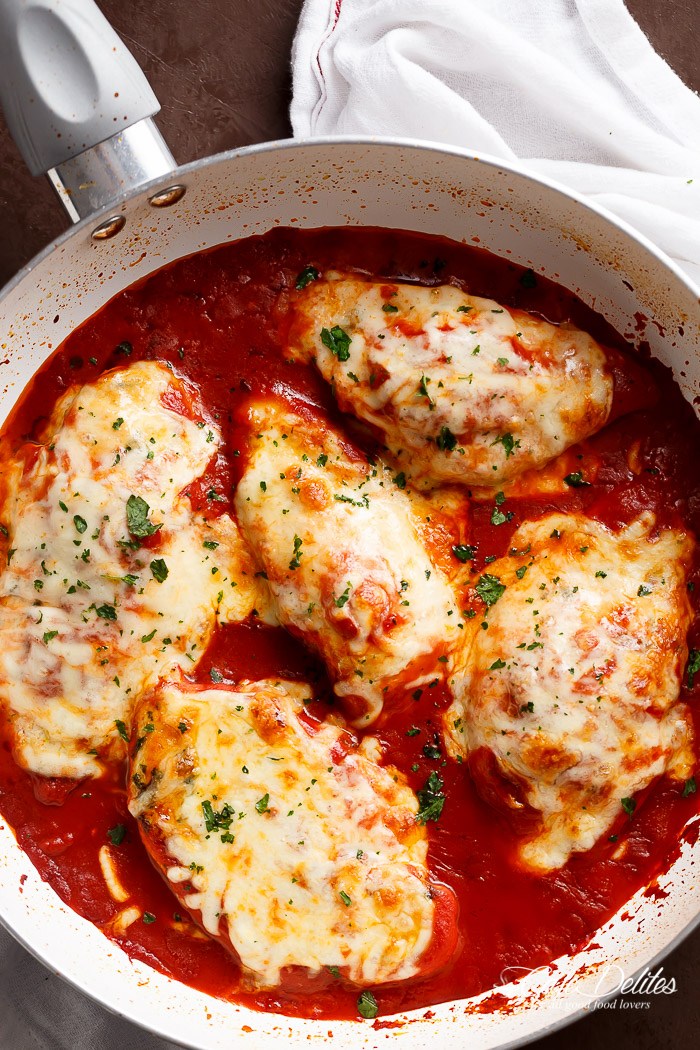
Traditional chicken recipes baked to golden perfection rely on precise thermal regulation and moisture preservation to yield succulent meat with a crispy exterior. According to the USDA Food Safety and Inspection Service (FSIS), poultry must always reach a minimum internal temperature of 164°F (74°C) measured in the thickest portion to ensure complete food safety without sacrificing natural juices. Mastering old-fashioned comfort food preparation requires understanding heat transfer, skin crisping mechanisms, and bone-in versus boneless cooking dynamics. Exploring these classic Chicken Recipes enables home cooks to deliver reliable, restaurant-quality dinners straight from the domestic oven while minimizing moisture loss and maximizing savory flavor development.
Culinary Prep Snapshot:
- Core Focus: Slow roasting and high-heat baking methods for whole chickens and distinct cuts.
- Target Scope: Family meal planners and home cooks seeking reliable, traditional comfort food.
- Key Recommendation: Always allow baked poultry to rest uncovered for ten minutes before carving to redistribute internal juices.
Core Principles and Detailed Overview
Successful chicken recipes baked inside a conventional kitchen oven depend on the deliberate management of thermal convection and fat rendering. Direct ambient heat transforms collagen into gelatin within bone-in cuts, while skin-on preparations demand dry surface environments to achieve optimal Maillard browning. Culinary Institute of America (CIA) standards emphasize that preheating baking vessels and utilizing adequate air circulation prevent steamed textures and promote even browning across the entire bird. Traditional home cooks frequently pair these roasting techniques with Soups & Casseroles or hearty Pasta & Rice Recipes to create balanced, cohesive weeknight feasts that celebrate timeless flavor profiles.
Key Specifications and Breakdown
| Cooking Step / Component | Key Culinary Technique | Chef’s Quality & Food Safety Secret |
|---|---|---|
| Surface Drying | Thorough paper-towel blotting before seasoning | Remove surface moisture to guarantee ultra-crisp skin development during baking. |
| Thermal Zoning | Staging bone-in and boneless cuts separately | Prevent uneven doneness by grouping similarly sized pieces on the sheet pan. |
| Internal Testing | Instant-read digital probe placement in the thigh | Verify the 165°F (74°C) safety benchmark without hitting bone, which skews readings. |
Poultry safety benchmarks dictate that whole birds and individual cuts must achieve an internal temperature of 165°F (74°C) as verified by a calibrated food thermometer. — USDA Food Safety and Inspection Service (FSIS)
Step-by-Step Practical Application and Guidelines
Executing exceptional chicken recipes baked from scratch begins with bringing the meat to room temperature for twenty minutes prior to oven placement. Generous seasoning with kosher salt, cracked black pepper, and aromatic herbs creates a seasoned crust that locks in internal moisture. Preheating the oven to 400°F (200°C) provides the necessary thermal shock to start rendering subcutaneous fat immediately, resulting in a superior texture. For cooks exploring alternative culinary directions, pairing these baking methods with ideas from Cooking Methods & Appliances enhances overall kitchen versatility and technique refinement.
Common Challenges and How to Avoid Them
Dry meat and rubbery skin represent the most frequent pitfalls encountered when executing chicken recipes baked at incorrect temperatures or with insufficient prep. Lowering oven temperatures too much yields soggy skin, while baking exclusively at excessively high heat burns exterior spices before the interior reaches safety thresholds. Applying a small amount of rendered fat or clarified butter beneath the skin protects lean breast meat from overcooking while encouraging uniform browning. Maintaining strict vigilance over timing and utilizing accurate thermometers eliminates guesswork entirely.
💬 Frequently Asked Questions
Explore More Time-Tested Home Recipes on WillyRecipes
Mastering traditional culinary arts requires continuous exploration of diverse comfort food staples, seasonal ingredients, and proven baking techniques. Readers can discover an extensive collection of reliable meal ideas, kitchen guides, and heritage dishes by visiting the main index at WillyRecipes.com for daily inspiration.
Recipe Step Photos & Variations