Introduction
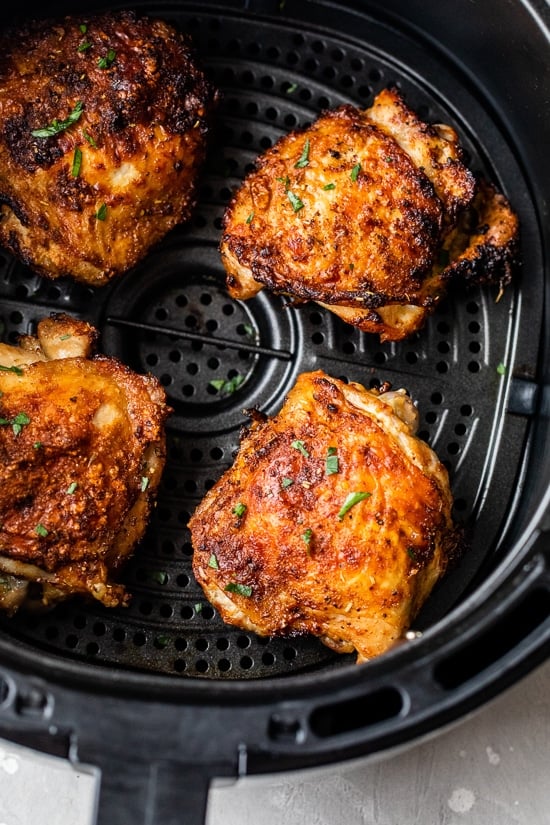
Traditional chicken recipes european style rely on foundational braising, pan-searing, and slow-simmering techniques that extract deep umami from simple, wholesome ingredients. According to the Culinary Institute of America (CIA) Standards, mastering moisture retention through proper fat rendering and gentle heat application forms the baseline of classic continental poultry preparation. Home cooks seeking authentic old-fashioned comfort food turn to these time-tested European methods to transform ordinary poultry into succulent, rich, and aromatic meals. Essential techniques include building layered flavor profiles with mirepoix, deglazing with wine or stock, and utilizing aromatic herbs like thyme, rosemary, and tarragon. Related guide: Recipe For Marinade Mutton Chops.
Culinary Prep Snapshot:
- Core Focus: Time-tested traditional chicken recipes european style utilizing classic braising and pan-roasting methods.
- Target Scope: Family meal planners and home cooks desiring authentic, old-fashioned comfort food.
- Key Recommendation: Sear bone-in, skin-on cuts to render natural fats before initiating long, slow liquid simmers.
Core Principles and Detailed Overview
Continental poultry preparation prioritizes utilizing every component of the bird alongside regional pantry staples like butter, wine, root vegetables, and heavy cream. Authentic chicken recipes european style center on patience, letting collagen break down gradually to yield tender meat and naturally thickened pan sauces. Whether preparing a French Coq au Vin, a Hungarian Paprikash, or a rustic Italian cacciatore, success depends upon temperature control and proper fond development. Searing the exterior at moderate-high heat locks in juices, while subsequent low-temperature simmering infuses the protein with aromatic reductions. Exploring broader culinary traditions can also be supported by browsing curated collections within Chicken Recipes for daily inspiration.
Key Specifications and Breakdown
| Cooking Step / Component | Key Culinary Technique | Chef’s Quality & Food Safety Secret |
|---|---|---|
| Initial Searing | Medium-high dry heat browning | Pat skin completely dry to guarantee crisp rendering without steaming the meat. |
| Fond Deglazing | Acidic liquid dissolution | Scrape pan bottom meticulously with a wooden utensil to release concentrated caramelized proteins. |
| Thermal Completion | Gentle braising or roasting | Verify internal temperature reaches 165°F (74°C) safely at the thickest joint without overcooking. |
Poultry must achieve a safe minimum internal temperature of 165°F (74°C) measured with a food thermometer in the thickest part of the meat to eliminate harmful pathogens reliably. — USDA Food Safety and Inspection Service (FSIS)
Step-by-Step Practical Application and Guidelines
Executing traditional European poultry dishes requires a deliberate sequence of heat management, fat rendering, and sauce reduction. Begin by thoroughly seasoning dried, bone-in chicken pieces with sea salt and cracked black pepper, then sear them skin-side down in a heavy cast-iron or enameled Dutch oven until deeply golden. Remove the meat temporarily to sauté aromatic vegetables—such as onions, carrots, and garlic—in the remaining rendered fat, creating a fragrant foundation for the dish. Return the chicken to the vessel, pour in wine or rich broth to submerge the lower half, cover tightly, and transfer to a low oven or simmer gently on the stovetop until fork-tender. Finish the sauce by whisking in cold butter or crème fraîche off the heat to achieve a glossy, velvety consistency characteristic of old-world dining.
Common Challenges and How to Avoid Them
Dry meat and broken cream sauces represent the most frequent pitfalls encountered when executing traditional continental poultry dishes. Prevent tough, stringy textures by exclusively selecting bone-in, skin-on cuts like thighs and drumsticks, which naturally resist drying out during extended simmering cycles. When incorporating dairy or sour cream into wine-based reductions, always temper the mixture or lower the burner heat significantly to prevent unsightly curdling. Furthermore, avoid crowding the cooking vessel during the initial searing phase, as excess moisture accumulation causes steaming rather than proper browning. For complementary side dishes and accompaniments to round out these hearty meals, reference the ideas found under Snacks & Sides.
💬 Frequently Asked Questions
Explore More Time-Tested Home Recipes on WillyRecipes
Mastering time-tested kitchen techniques elevates ordinary weeknight dinners into extraordinary culinary experiences rooted in European tradition. Home cooks and family meal planners are encouraged to continue exploring authentic culinary guides, seasonal comfort foods, and expert baking tutorials available across WillyRecipes.com to expand their recipe repertoire.
Recipe Step Photos & Variations