Introduction
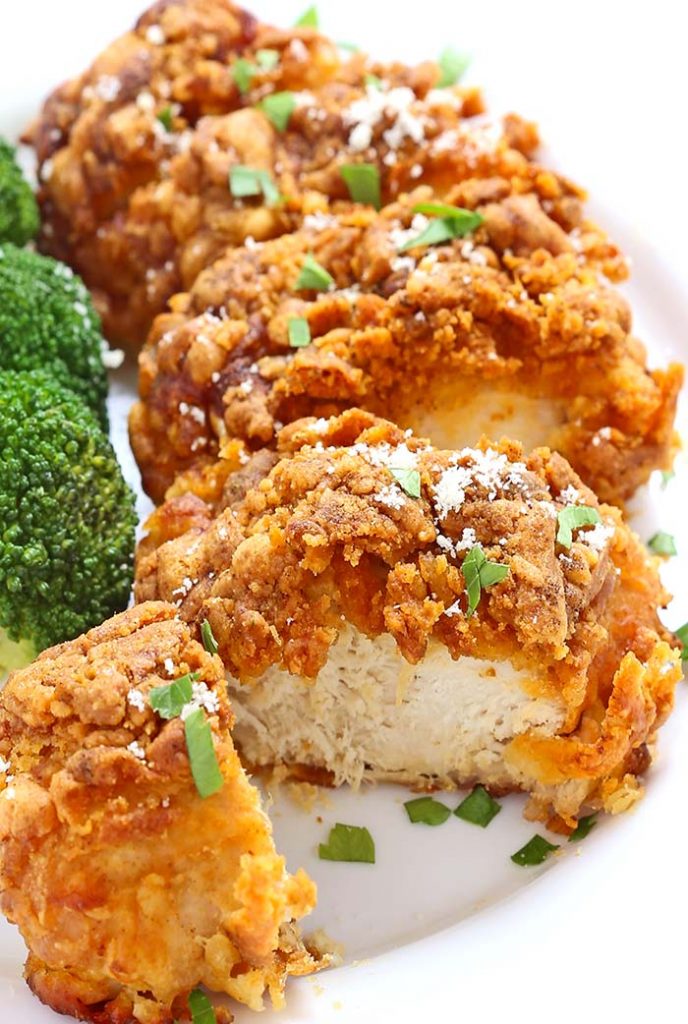
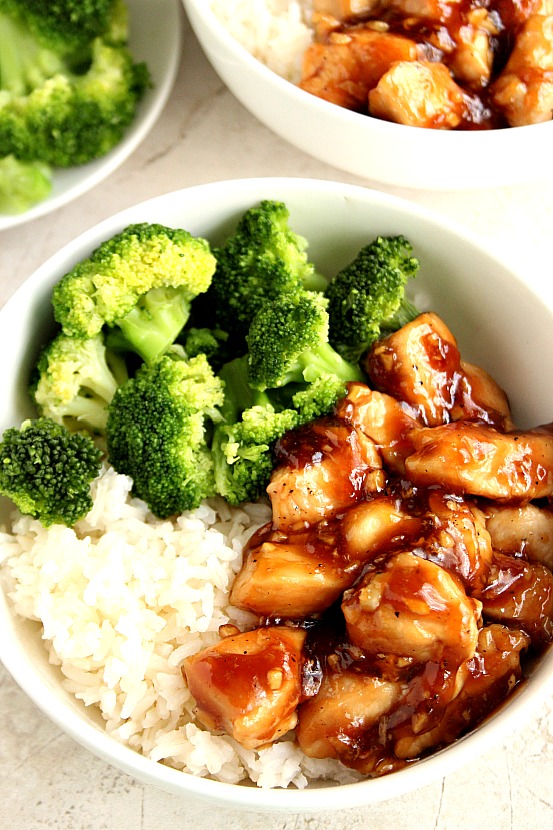
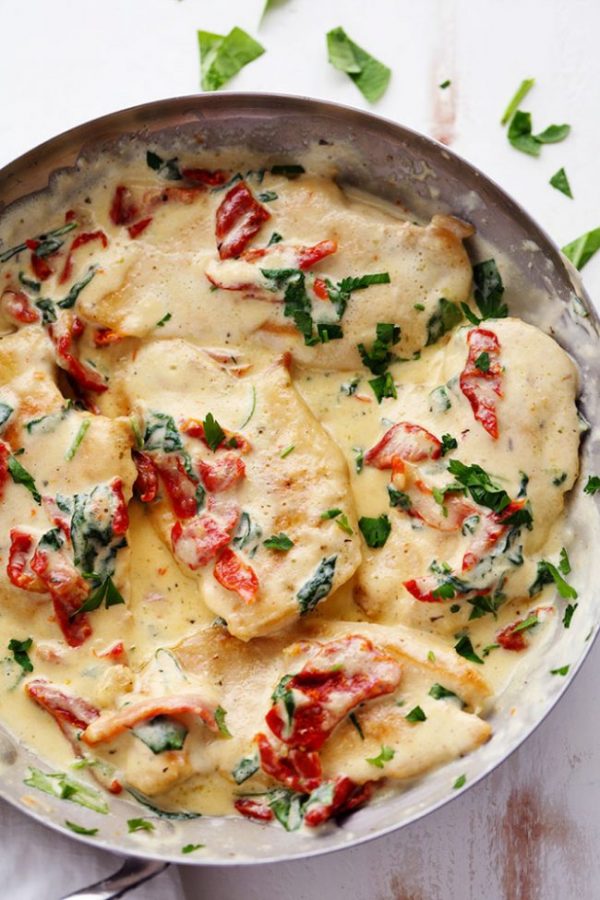
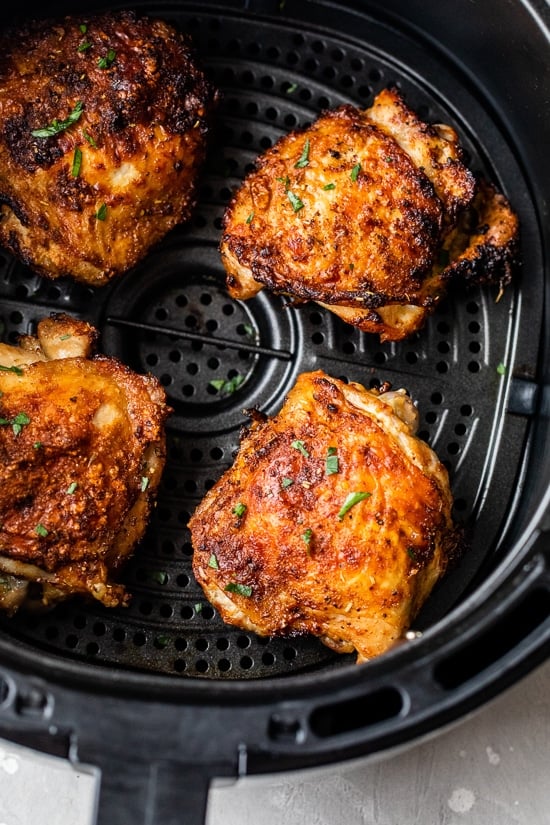
Traditional chicken recipes for dinner deliver reliable, time-tested comfort by utilizing classic preparation techniques such as roasting, braising, and pan-searing. According to the USDA Food Safety and Inspection Service (FSIS), poultry must be cooked to a safe internal temperature of 165 degrees Fahrenheit to eliminate foodborne pathogens while retaining natural moisture. Mastering these heritage poultry dishes requires understanding foundational culinary principles, proper temperature control, and the thoughtful blending of aromatic herbs and heavy pan drippings. Exploring collections like Chicken Recipes provides home cooks with endless inspiration for comforting evening meals.
Culinary Prep Snapshot:
- Core Focus: Traditional, comfort-focused chicken recipes for dinner utilizing classic cooking methods.
- Target Scope: Family meal planners and home cooks seeking reliable, flavorful weeknight and weekend menus.
- Key Recommendation: Always verify internal meat temperatures with a calibrated instant-read digital thermometer to prevent dryness.
Core Principles and Detailed Overview
Traditional chicken dinners rely heavily on moisture retention and deep fond development to build rich, complex gravies and pan sauces. Bone-in, skin-on cuts naturally insulate the lean meat during long roasting or braising cycles, whereas quick-cooking boneless cuts require careful monitoring to avoid over-drying. Culinary practitioners often pair rich poultry dishes with comforting starches found in Pasta & Rice Recipes to absorb savory broths and reductions. Emphasizing slow flavor development through proper searing and deglazing transforms simple pantry ingredients into extraordinary, homestyle evening feasts.
Key Specifications and Breakdown
| Cooking Step / Component | Key Culinary Technique | Chef’s Quality & Food Safety Secret |
|---|---|---|
| Preparation | Dry brining and surface moisture removal | Always pat the skin completely dry with paper towels to ensure optimal crisping during high-heat searing. |
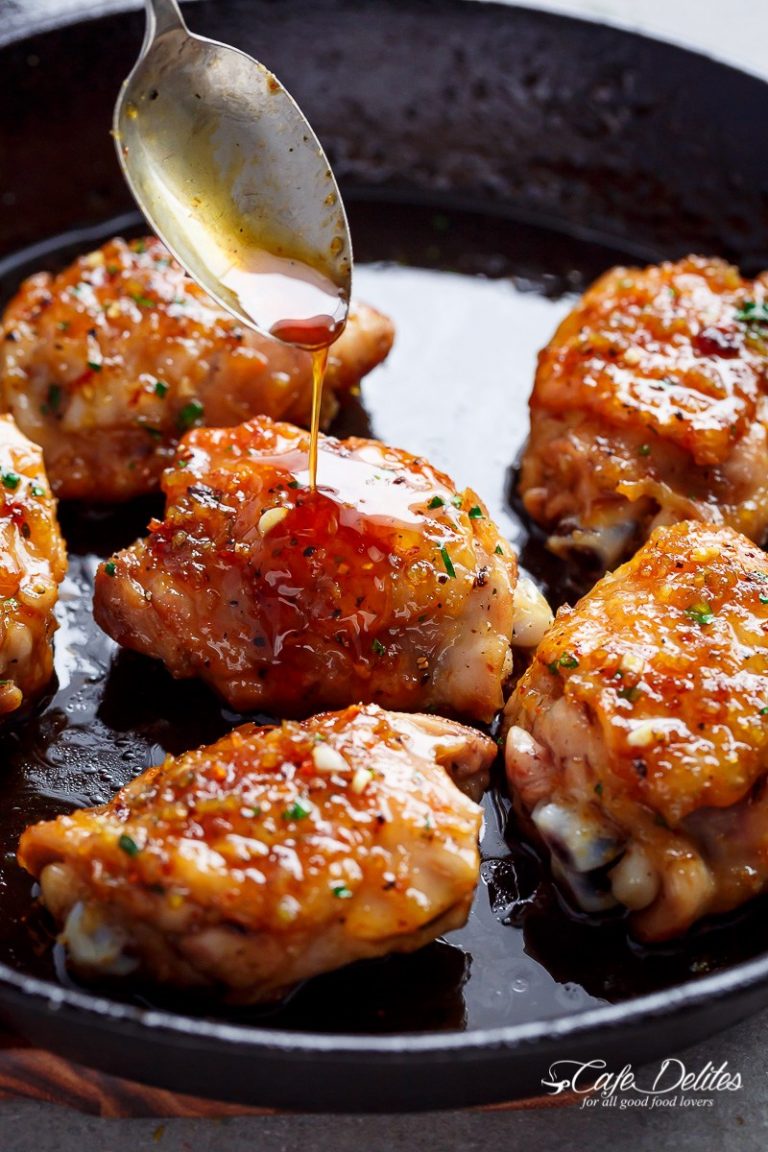
| Cooking Method | Pan-searing followed by oven-roasting or braising | Utilize a heavy cast-iron skillet to distribute heat evenly and maximize delicious caramelized fond. |
| Resting Phase | Post-cooking ambient temperature stabilization | Allow cooked poultry to rest for ten minutes before carving to permit internal juices to redistribute evenly. |
Safe internal temperature for all poultry parts must reach 165°F (74°C) measured in the thickest portion of the meat away from bone. — USDA Food Safety and Inspection Service (FSIS). Related guide: Original Lipton Onion Burger Recipe.
Step-by-Step Practical Application and Guidelines
Executing a flawless homestyle chicken dinner begins with seasoning the meat at least thirty minutes prior to cooking, allowing salt to penetrate deep into the protein fibers. Heat a heavy-bottomed skillet over medium-high heat with a high-smoke-point oil, then place the chicken skin-side down to render the fat slowly until golden brown. Deglace the pan with stock, wine, or aromatics to lift the caramelized bits from the bottom, creating a rich sauce base. Pairing these hearty mains with vegetable accompaniments from Snacks & Sides ensures a balanced, nutritionally complete dinner table.
Common Challenges and How to Avoid Them
Dry meat and soggy skin represent the most frequent pitfalls encountered when preparing chicken for evening meals. Overcooking lean breast meat can be entirely avoided by utilizing an instant-read thermometer and removing the poultry from the heat source the moment it hits the 160°F mark, letting carryover cooking safely bring it to 165°F. Furthermore, overcrowding the roasting pan or skillet traps steam, which ruins the crisp texture of the skin; always maintain adequate spacing between pieces to allow proper heat circulation and moisture evaporation.
💬 Frequently Asked Questions
Explore More Time-Tested Home Recipes on WillyRecipes
Mastering comforting poultry dishes opens the door to a wide world of traditional culinary arts for everyday family gatherings. Discover additional inspiration, classic baking ideas, and hearty comfort food collections by visiting the complete culinary library at WillyRecipes.com.
Recipe Step Photos & Variations