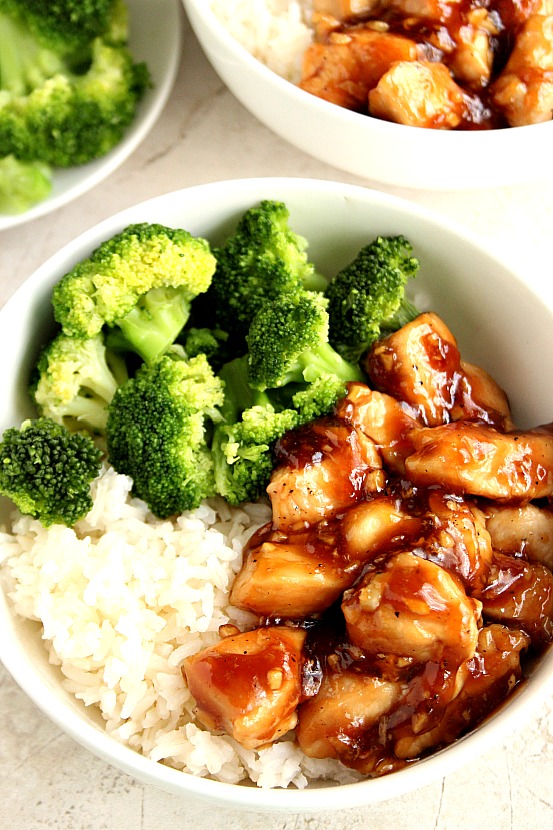
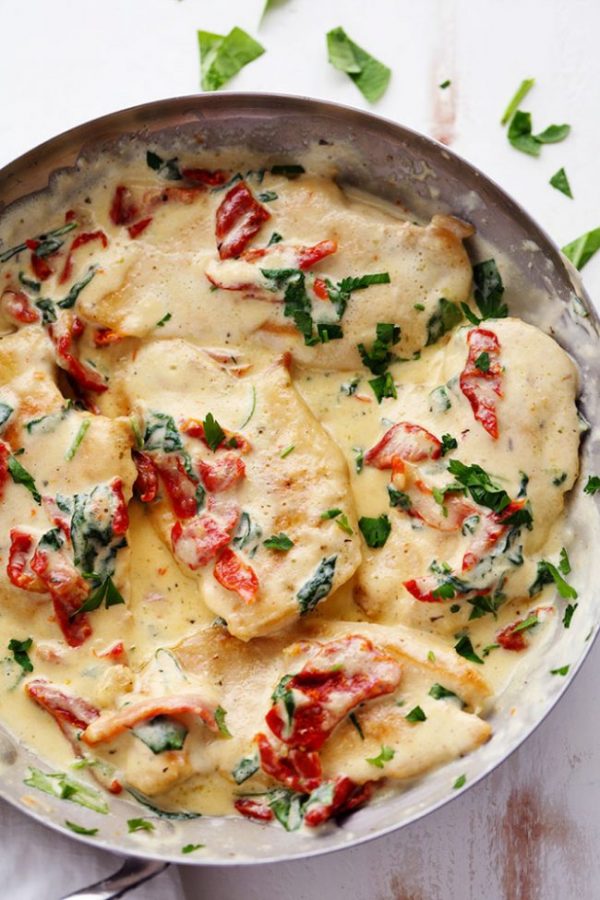
Introduction
Traditional chicken recipes for supper deliver dependable comfort and reliable nourishment through time-tested culinary methods. According to the USDA Food Safety and Inspection Service (FSIS), handling raw poultry safely requires maintaining strict temperature zones and using dedicated cutting surfaces to prevent cross-contamination during evening meal preparation. Exploring these classic cooking approaches transforms humble poultry cuts into savory evening centerpieces that satisfy family meal planners and comfort food enthusiasts alike. Mastery of these fundamentals elevates standard weeknight dinners into memorable culinary traditions.
Culinary Prep Snapshot:
- Core Focus: Time-tested, comforting chicken recipes for supper designed for home cooks.
- Target Scope: Evening family meals utilizing traditional roasting, braising, and pan-searing techniques.
- Key Recommendation: Always verify internal doneness with a digital meat thermometer rather than relying on visual cues.
Core Principles and Detailed Overview
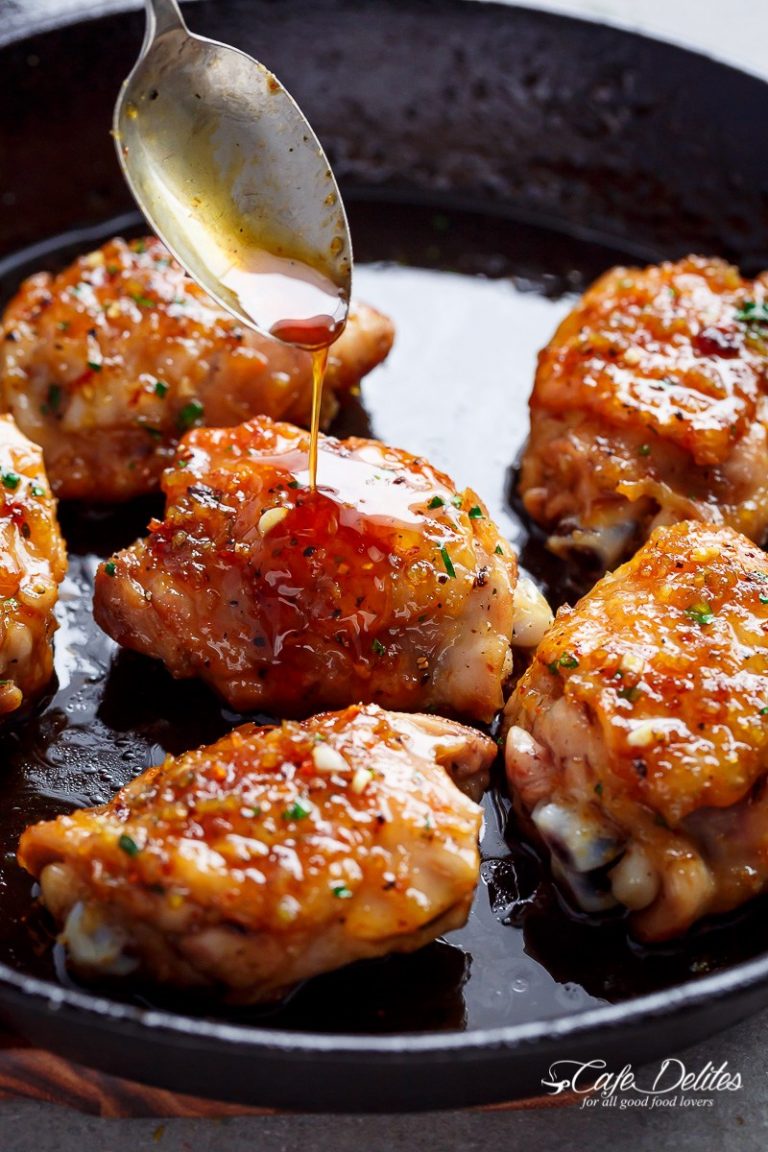
Selecting the appropriate poultry cut dictates the success of every traditional supper recipe. Bone-in, skin-on thighs and breasts retain natural moisture far better than lean, boneless alternatives during prolonged heat application. Culinary application benefits greatly from foundational Cooking Methods & Appliances that ensure even heat distribution. Simmering whole birds for hearty broths or braising pieces in cast-iron skillets extracts deep, savory flavors essential for authentic home-style cooking.
Key Specifications and Breakdown
| Cooking Step / Component | Key Culinary Technique | Chef’s Quality & Food Safety Secret |
|---|---|---|
| Preparation and Seasoning | Dry brining with coarse salt | Refrigerate uncovered for twelve hours to dry the skin for maximum crispness. |
| Thermal Application | Combination searing and baking | Sear skin-side down in heavy metal before transferring to a hot oven. |
| Final Verification | Internal temperature assessment | Remove meat immediately when the thickest portion reaches 165°F to stop cooking. |
Poultry must achieve a safe minimum internal temperature of 165°F (74°C) measured in the meatiest part of the cut to ensure complete food safety. — USDA Food Safety and Inspection Service (FSIS)
Step-by-Step Practical Application and Guidelines
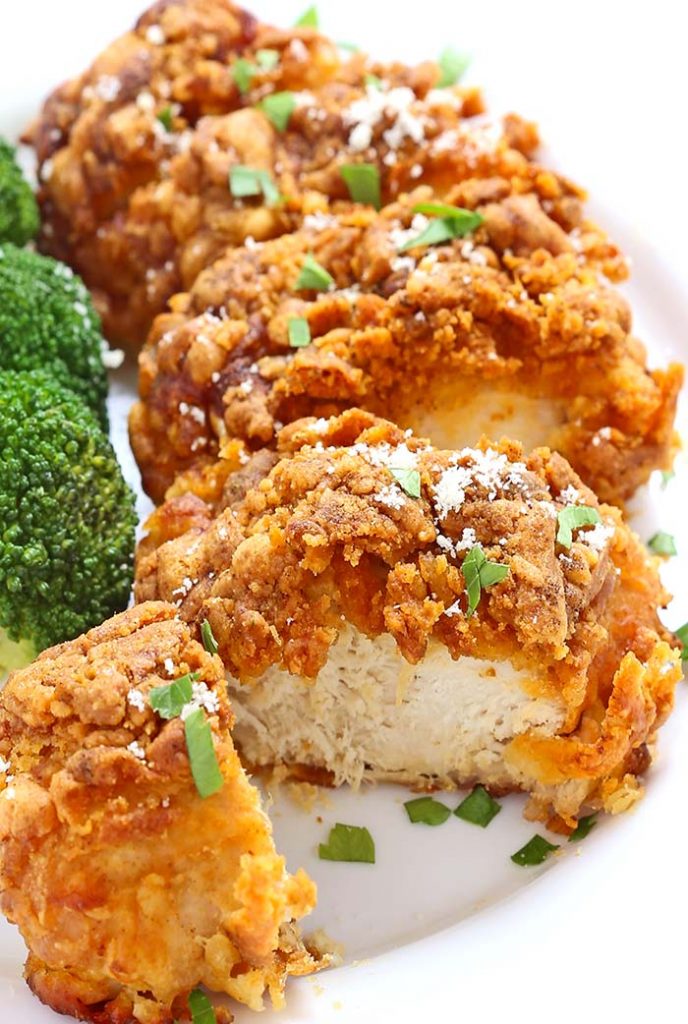
Executing flawless chicken recipes for supper begins with proper room-temperature tempering before any heat touches the protein. Patting the exterior completely dry with paper towels eliminates surface moisture that hinders browning reactions. Preheating heavy-bottomed cast iron or enameled cast iron ensures a steady thermal transfer when the poultry makes contact with the cooking surface. Building rich pan gravies from the leftover rendered fats and fond ties the entire supper plate together harmoniously.
Common Challenges and How to Avoid Them
Dry texture and rubbery skin represent the most frequent pitfalls encountered when preparing poultry for the evening meal. Overcrowding the pan causes meat to steam rather than sear, creating pale, unappealing surfaces and soggy coatings. Maintaining adequate space between pieces and resisting the urge to flip too early guarantees deep, golden caramelization. Furthermore, allowing the cooked poultry to rest undisturbed for ten minutes permits internal juices to redistribute evenly throughout the fibers.
💬 Frequently Asked Questions
Explore More Time-Tested Home Recipes on WillyRecipes
Expanding culinary horizons with comforting homestyle meals becomes effortless through the curated collections available across the site. Discover savory inspiration spanning traditional Chicken Recipes, hearty Soups & Casseroles, and satisfying Pasta & Rice Recipes. Every home cook can browse additional categories directly at WillyRecipes.com to elevate every family dinner.
Recipe Step Photos & Variations