Introduction
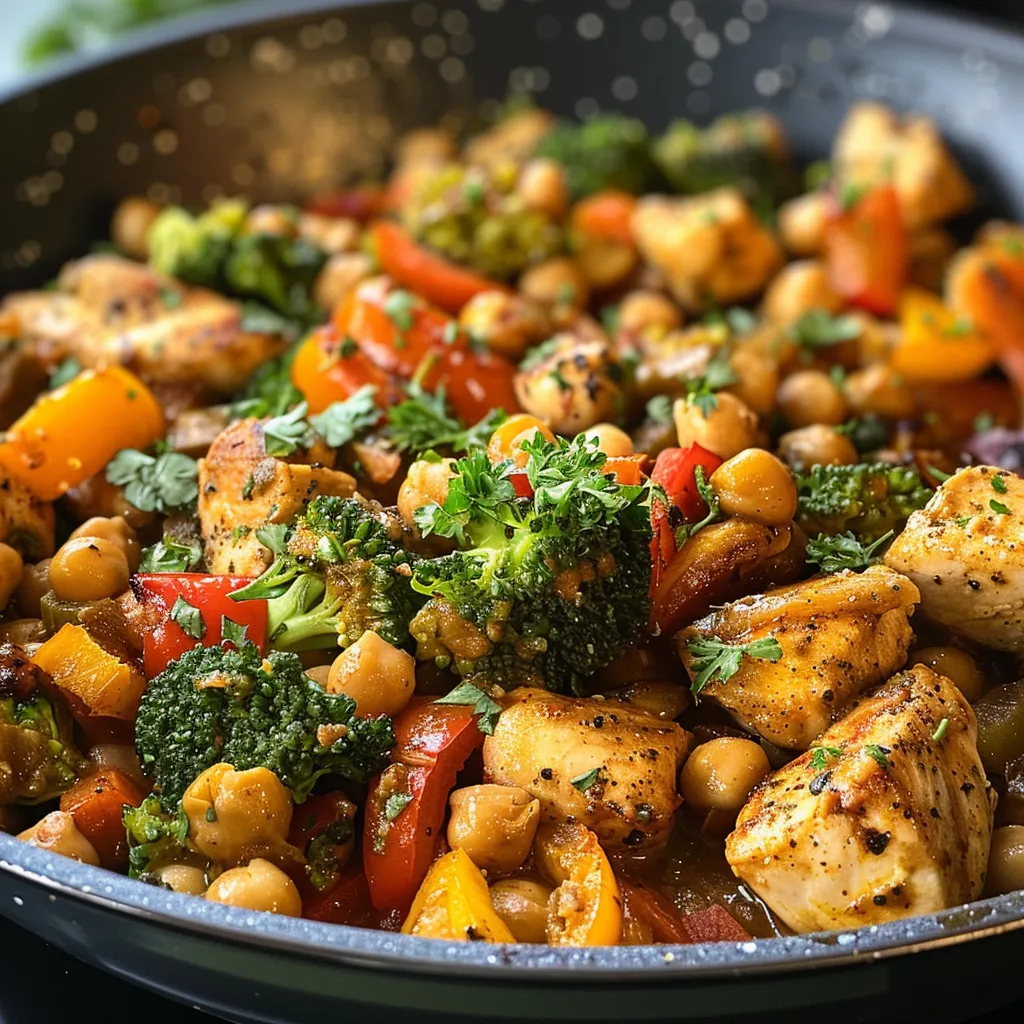
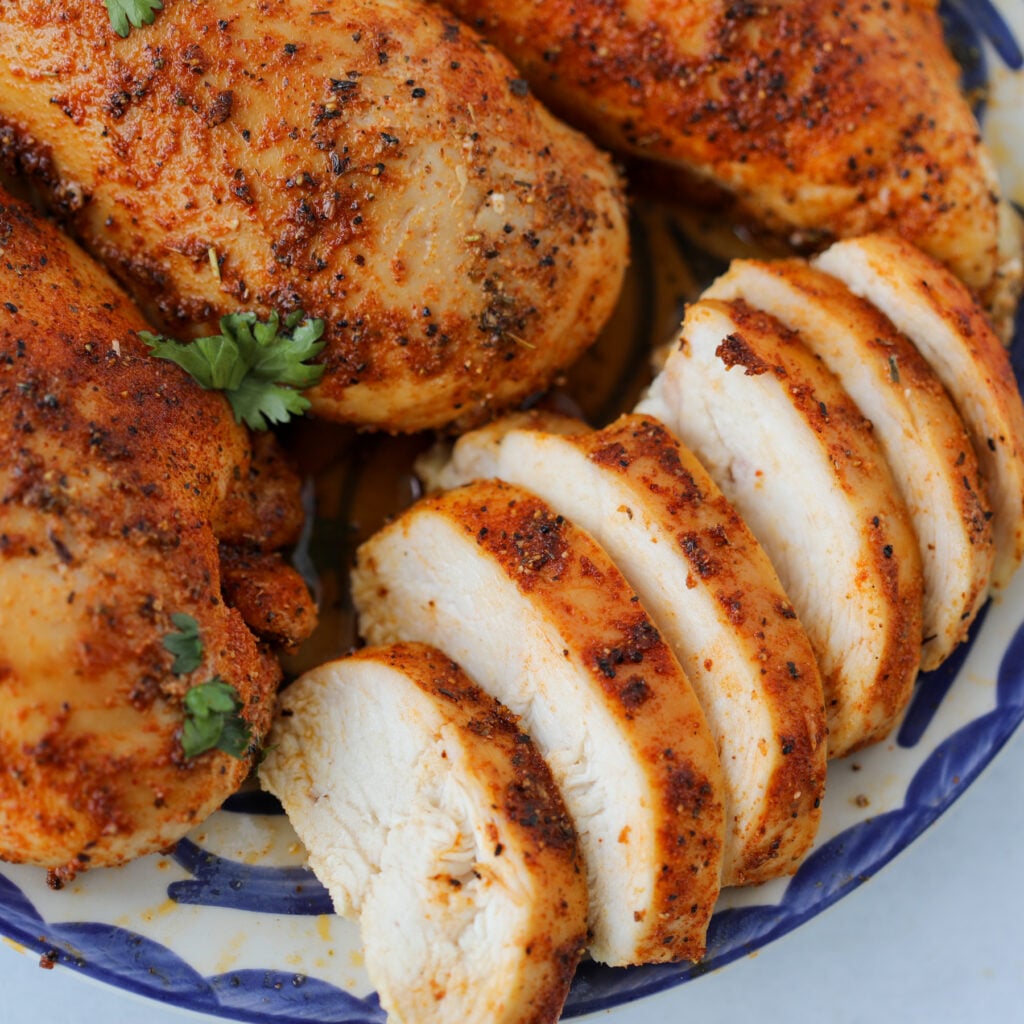
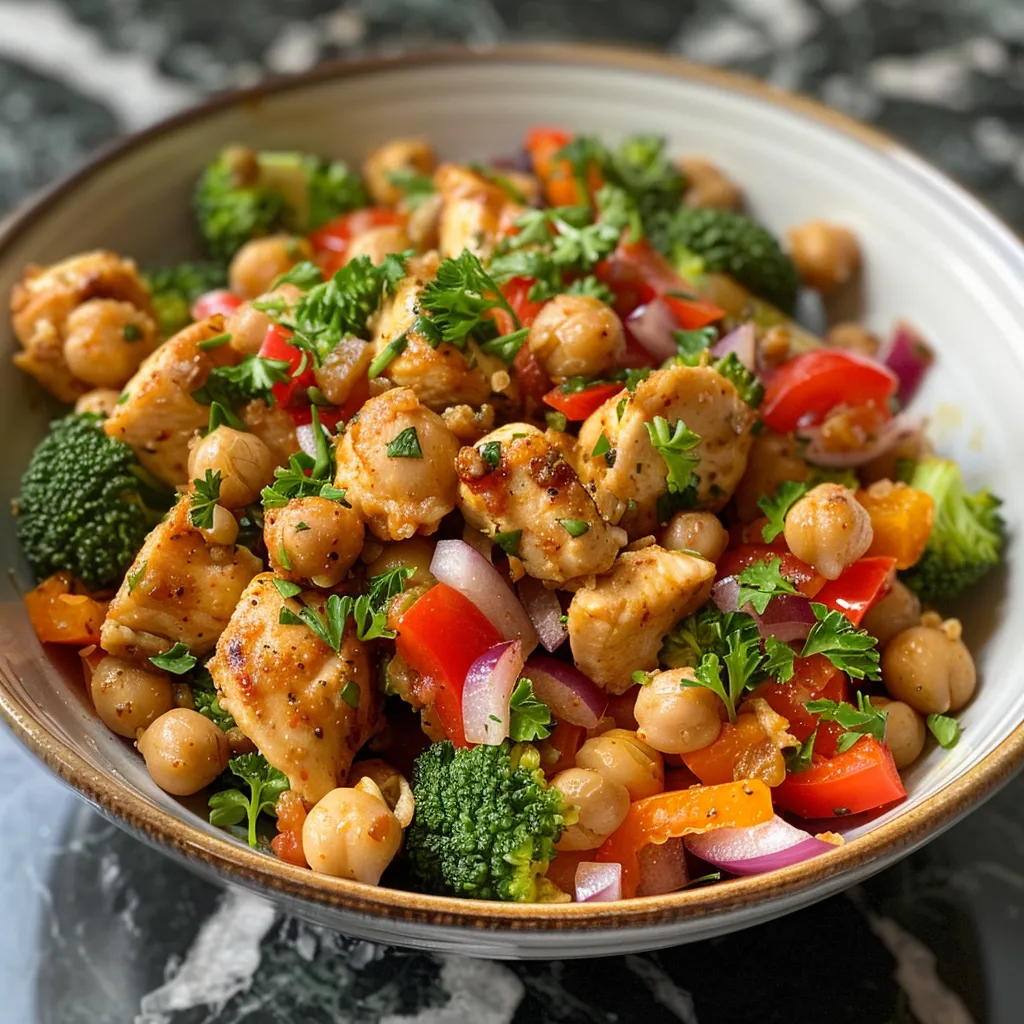
Chicken recipes for weight loss combine lean protein sources with time-honored traditional cooking methods to deliver satisfying, low-calorie comfort meals. According to the United States Department of Agriculture (USDA) Food Safety and Inspection Service (FSIS), skinless chicken breast provides a dense concentration of high-quality amino acids while maintaining a minimal total fat profile. Traditional home-style cooking approaches harness aromatic herbs, dry-heat roasting, and slow simmering to extract maximum flavor without relying on heavy creams or excessive fats. Exploring specialized selections within the broader Chicken Recipes index allows home cooks to maintain strict dietary goals while preserving the rich, hearty textures characteristic of vintage family dinners.
Culinary Prep Snapshot:
- Core Focus: Lean protein preparation utilizing traditional methods for caloric reduction.
- Target Scope: Family meal planners and comfort food enthusiasts seeking healthy alternatives.
- Key Recommendation: Remove skin before cooking and utilize moisture-retaining poaching or roasting techniques.
Core Principles and Detailed Overview
Achieving effective weight management through poultry dishes requires balancing rigorous thermal control with flavor-building culinary foundations. Direct answer: Lean cuts like skinless breasts and tenderloins serve as the optimal base when cooked via moisture-lock methods such as braising, steaming, or high-heat roasting. Traditional home-style comfort food often depends on fats for depth, but modern dietary adaptations substitute these fats with caramelized alliums, reduction-based stocks, and toasted spice rubs. Culinary Institute of America (CIA) standards emphasize that proper searing and browning develop robust umami profiles via the Maillard reaction without necessitating added cooking oils. Integrating these techniques ensures that meals remain deeply comforting and supportive of healthy metabolic function. Related guide: Simple Goose Egg Recipes.
Key Specifications and Breakdown
| Cooking Step / Component | Key Culinary Technique | Chef’s Quality & Food Safety Secret |
|---|---|---|
| Protein Selection | Trimming visible fat and removing skin | Use boneless, skinless cuts to reduce saturated fat while preserving essential lean tissue. |
| Flavor Extraction | Dry-toasting whole spices and slow-roasting root vegetables | Build deep savory foundations using aromatic vegetables instead of excessive butter or lard. |
| Thermal Control | Monitoring internal temperature to 165°F (74°C) | Prevent dryness by utilizing instant-read digital thermometers rather than relying on cooking times. |
Poultry must achieve a minimum internal temperature of 165°F (74°C) to ensure safety while retaining optimal juiciness. — USDA Food Safety and Inspection Service (FSIS)
Step-by-Step Practical Application and Guidelines
Executing low-calorie comfort dishes begins with proper marinade penetration and controlled thermal application. Direct answer: Submerge lean poultry cuts in acidic brines or herb-infused stocks for at least thirty minutes prior to cooking to guarantee tender, succulent results. When preparing traditional braises or skillet meals, utilize heavy-bottomed cast-iron cookware to distribute heat evenly and achieve natural caramelization without pooling oils. Pair these proteins with nutrient-dense complements found in Soups & Casseroles to create filling, macro-balanced family portions that align with caloric deficits.
Common Challenges and How to Avoid Them
Dry texture and bland flavor profiles represent the primary hurdles when preparing low-fat poultry dishes in home kitchens. Direct answer: Overcooking remains the single greatest cause of tough meat, which can be entirely avoided by removing the protein from heat the exact moment internal sensors register 165°F. Another frequent misstep involves skipping the resting phase; allowing cooked meat to rest for five to ten minutes redistributes natural juices throughout the muscle fibers. Supplementing flavor through slow-simmered broths, citrus zests, and pungent herbs eliminates the temptation to rely on heavy, calorie-dense gravies.
💬 Frequently Asked Questions
Explore More Time-Tested Home Recipes on WillyRecipes
Mastering healthy, comforting family meals opens the door to a wide array of traditional culinary arts. Home cooks and food enthusiasts can browse extensive culinary libraries, discover time-tested cooking secrets, and find inspiration for everyday dining by visiting WillyRecipes.com for trusted guidance.
Recipe Step Photos & Variations