Introduction
Ganja tea, a traditional infusion prepared using cannabis, is recognized across various cultures for its potential therapeutic properties and calming effects. It represents a historical method of consuming cannabis, tracing back centuries in traditional medicinal practices. Ganja tea is commonly cooked to extract cannabinoids, the active compounds in cannabis, which are then ingested for their intended effects.
💡 Recipe Key Takeaways:
- Core Flavor: Easy-to-follow, delicious culinary preparation for Ganja Tea Recipe.
- Target Scope: Quick weeknight family dinners, home cooking, and festive meal planning.
- Chef Tip: Prep all measured ingredients in advance (mise en place) to ensure even cooking and optimal texture.
Ingredients
The primary ingredient is dried cannabis flower or trim (approximately 1-3 grams, depending on desired potency). Other essential ingredients include water (4 cups), a fat source like coconut oil, butter, or whole milk (1-2 tablespoons essential for cannabinoid absorption as they are fat-soluble), and optional flavor enhancers such as honey, lemon, ginger, or other herbs. Related guide: Limoncello Spritz Recipe Ml.
Preparation Steps
Begin by decarboxylating the cannabis to activate the cannabinoids. This involves spreading the dried cannabis on a baking sheet and baking at 220-240F (105-115C) for 30-45 minutes. Decarboxylation converts THCA to THC, the psychoactive compound, and CBDA to CBD, offering potential health benefits. Allow the cannabis to cool completely before proceeding. Grinding the decarboxylated cannabis coarsely will improve extraction during the brewing process. A coffee grinder works well, but avoid turning the cannabis into a fine powder.
Cooking Instructions
Place the decarboxylated and ground cannabis into a saucepan. Add 4 cups of water and the chosen fat source (coconut oil, butter, or whole milk). The fat source is critical for effective extraction, as cannabinoids are not water-soluble. Bring the mixture to a gentle simmer over low heat, being careful not to boil it vigorously. Maintain a consistent simmer for 30-90 minutes, depending on the desired potency. The longer the simmering time, the more cannabinoids will be extracted. Stir occasionally to ensure even extraction. After simmering, strain the tea through a cheesecloth or fine-mesh sieve to remove the plant material. This ensures a smooth and palatable tea. Discard the remaining plant material.
Serving Suggestions
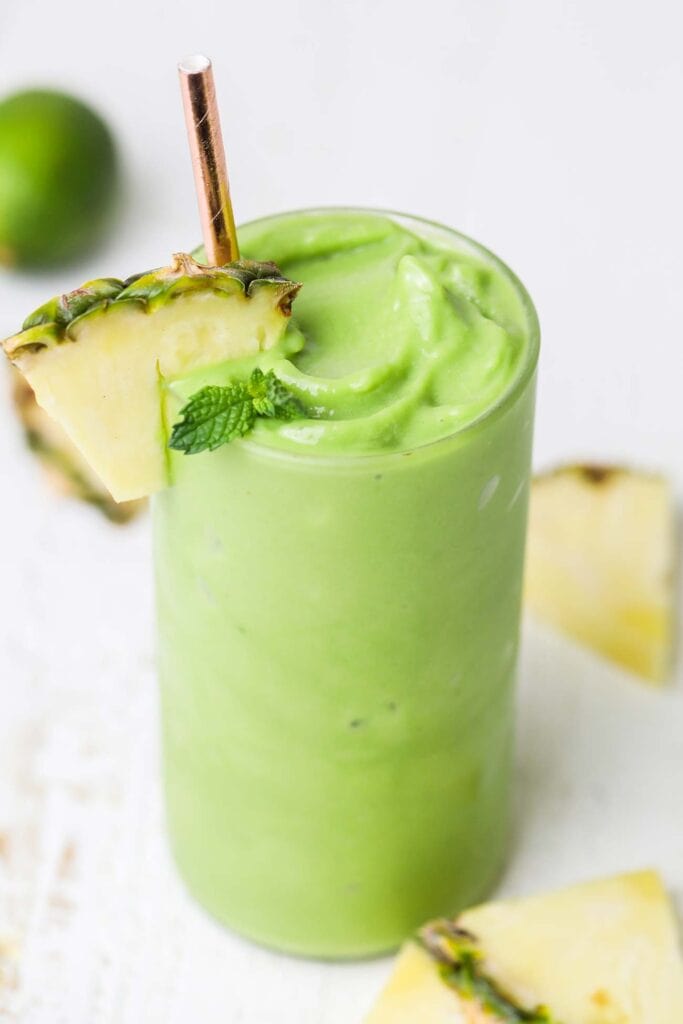
Ganja tea can be served hot or cold. Consider adding honey, lemon, or ginger to enhance the flavor and add additional health benefits. For a warming beverage, enjoy it hot with a slice of lemon and a drizzle of honey. Alternatively, chill the tea and serve it over ice with a sprig of mint for a refreshing summer drink. Traditional accompaniments might include light snacks like crackers, fruit, or herbal biscuits.
Tips and Common Mistakes
A crucial tip is proper decarboxylation; under-decarboxylating will result in a weak or ineffective tea. Over-decarboxylating can degrade the cannabinoids. Ensure the oven temperature is accurate and the baking time is precise. Avoid boiling the tea, as excessive heat can also degrade the cannabinoids and result in a bitter taste. Start with a low dose of cannabis (1 gram or less) and increase gradually in subsequent batches, as the effects of ingested cannabis can be more potent and longer-lasting than inhaled cannabis. A common mistake is not including a fat source; without it, the cannabinoids will not be effectively extracted, resulting in a weak tea.
Explore More Cooking Guides
Learning to prepare ganja tea represents an entryway into understanding the culinary applications of cannabis. Its potential therapeutic benefits, coupled with the ability to customize flavors, make it a worthwhile addition to any home cook’s repertoire. By mastering this recipe, one gains control over dosage and ingredients, tailoring the experience to individual needs and preferences. Remember to always consume responsibly and be aware of local laws. Discover more infused recipes and advanced cooking techniques at website.com, where the culinary adventure continues.
Preparation & Cooking Specifications
| Prep Step | Estimated Time | Chef’s Best Practice |
|---|---|---|
| Mise en Place & Chopping | 10 – 15 Minutes | Keep ingredients uniform for even cooking |
| Active Cooking / Searing | 15 – 25 Minutes | Preheat skillet thoroughly before adding oil |
| Resting & Plating | 5 Minutes | Allow juices to redistribute before slicing |
Images References
Looking for more delicious meal ideas? Explore our tested Drinks & Beverages collection for easy, family-friendly recipes.