Introduction
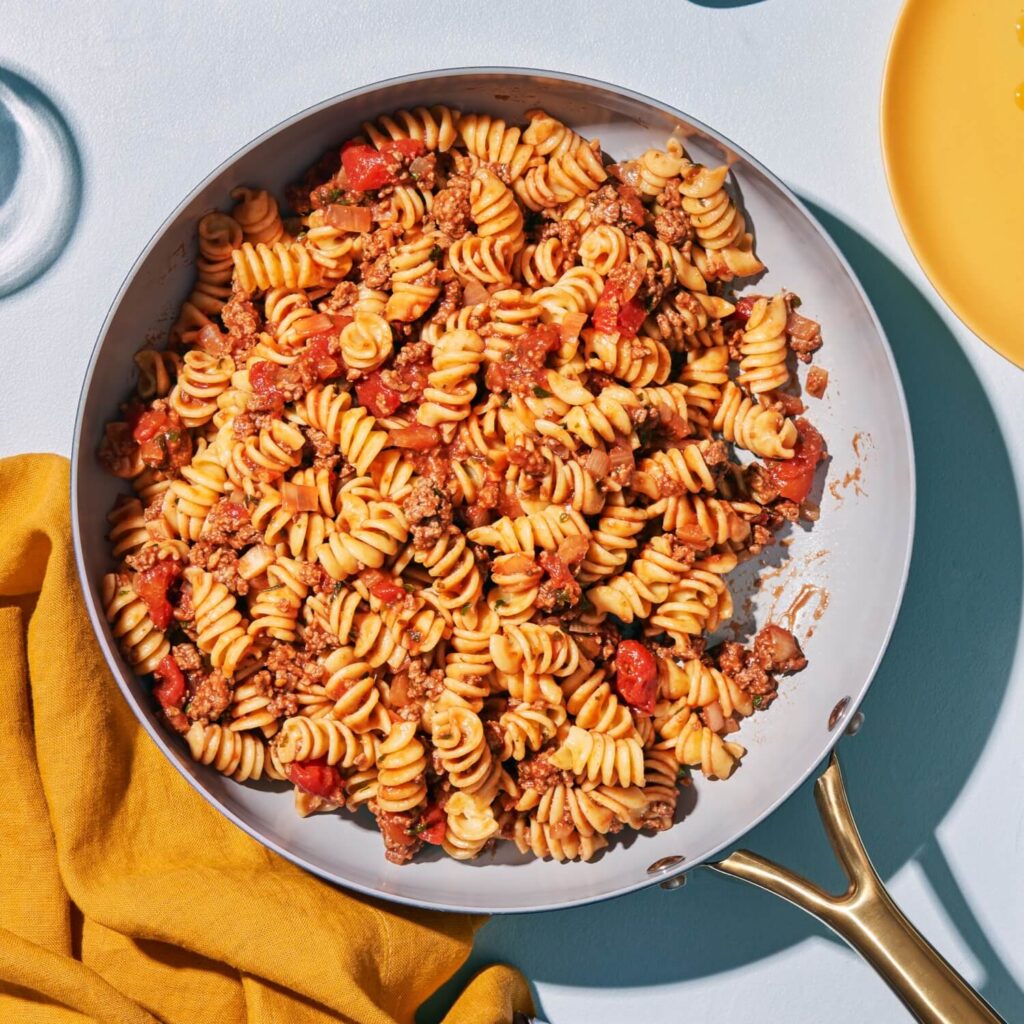
Cellentani pasta, with its playful corkscrew shape, is a versatile and beloved choice for countless pasta dishes. Its ridges and twists are perfect for capturing sauces, making it a family favorite and a staple in many kitchens. The history of cellentani, also known as cavatappi, is rooted in Italian culinary innovation, designed to maximize sauce adherence and flavor delivery. Its popularity stems from its adaptability it pairs beautifully with creamy sauces, hearty ragus, or simple pesto. Cellentani pasta recipes are a gateway to a world of culinary possibilities.
💡 Recipe Key Takeaways:
- Core Flavor: Easy-to-follow, delicious culinary preparation for Cellentani Pasta Recipes.
- Target Scope: Quick weeknight family dinners, home cooking, and festive meal planning.
- Chef Tip: Prep all measured ingredients in advance (mise en place) to ensure even cooking and optimal texture.
Ingredients
The foundation of any great cellentani pasta recipe starts with quality ingredients. Here’s a general list:
- Cellentani Pasta: 1 pound (approximately 450 grams). Gluten-free varieties are readily available as a substitute.
- Sauce: This depends on the chosen recipe. Options include tomato sauce (marinara, arrabbiata), cream-based sauces (alfredo, carbonara), pesto, or olive oil-based sauces.
- Protein (Optional): Ground meat (beef, pork, turkey), sausage, chicken, shrimp, or plant-based alternatives.
- Vegetables (Optional): Onions, garlic, bell peppers, zucchini, mushrooms, spinach, tomatoes, or other seasonal vegetables.
- Cheese: Parmesan, mozzarella, ricotta, or other cheeses appropriate for the chosen sauce.
- Herbs and Spices: Salt, pepper, oregano, basil, parsley, red pepper flakes, garlic powder, onion powder.
- Olive Oil: Extra virgin olive oil is recommended for its flavor and health benefits.
Substitutions can be made based on dietary needs and preferences. For example, vegetable broth can be used in place of chicken broth, or nutritional yeast can substitute Parmesan cheese for a vegan option. Related guide: Lanzhou Ramen Recipe Easy.
Preparation Steps
Before cooking the cellentani pasta, ensure all ingredients are prepped and ready. This makes the cooking process smoother and more efficient.
- Vegetable Preparation: Wash and chop vegetables into desired sizes. Dice onions and garlic finely for even cooking.
- Protein Preparation: If using meat, ground it or cut it into bite-sized pieces. Season with salt, pepper, and any desired spices. For shrimp, peel and devein.
- Sauce Preparation: If making a homemade sauce, begin by sauting onions and garlic in olive oil. Then, add the remaining sauce ingredients. Store-bought sauces can be used as a convenient alternative.
- Cheese Preparation: Grate or shred cheese as needed. Ricotta cheese can be placed in a bowl for easy scooping.
A well-organized mise en place is key to successful cooking. Having all ingredients measured and prepped before beginning ensures a seamless and enjoyable culinary experience. Consider pre-cooking any protein for dishes that are meant to cook quickly after adding the pasta.
Cooking Instructions
Cooking cellentani pasta properly is crucial for achieving the ideal al dente texture.
- Boiling the Pasta: Fill a large pot with water (approximately 6 quarts for 1 pound of pasta). Add a generous amount of salt (about 1-2 tablespoons) to the water. The salt seasons the pasta from the inside out. Bring the water to a rolling boil over high heat.
- Adding the Pasta: Once the water is boiling, add the cellentani pasta. Stir immediately to prevent the pasta from sticking together.
- Cooking Time: Cook the pasta according to the package directions, typically 8-10 minutes. Start checking for doneness around 8 minutes. The pasta should be firm to the bite (al dente).
- Draining the Pasta: Once the pasta is cooked to your liking, drain it immediately in a colander. Do not rinse the pasta unless you are making a cold pasta salad. Rinsing removes the starch that helps the sauce adhere.
- Combining with Sauce: Immediately add the drained pasta to the prepared sauce in a large pan. Toss to coat the pasta evenly with the sauce. Add a splash of pasta water to thin the sauce if needed and help it cling to the pasta.
- Serving: Serve immediately, garnished with grated cheese, fresh herbs, or red pepper flakes.
Serving Suggestions
Cellentani pasta is incredibly versatile and can be served in numerous ways.
- Classic Tomato Sauce: Serve with a simple marinara or arrabbiata sauce, topped with Parmesan cheese and fresh basil.
- Creamy Alfredo: Toss with a rich and creamy alfredo sauce, adding grilled chicken or shrimp for a protein boost.
- Pesto Pasta: Combine with vibrant pesto sauce, cherry tomatoes, and pine nuts.
- Baked Pasta: Mix with ricotta cheese, tomato sauce, and mozzarella cheese, then bake until bubbly and golden brown.
- Pasta Salad: Chill cooked cellentani pasta and toss with vinaigrette, vegetables, and cheese for a refreshing pasta salad.
Cellentani pasta pairs well with garlic bread, a side salad, or roasted vegetables. For a more substantial meal, serve with grilled chicken, steak, or fish.
Tips and Common Mistakes
Avoid these common mistakes to ensure perfectly cooked and flavorful cellentani pasta.
- Undercooking or Overcooking Pasta: Use a timer and start checking for doneness a minute or two before the package instructions suggest. Al dente pasta is the goal.
- Not Salting the Pasta Water: Salt is essential for seasoning the pasta. Don’t be afraid to add a generous amount.
- Rinsing the Pasta (Except for Cold Salads): Rinsing removes the starch that helps the sauce adhere to the pasta.
- Not Reserving Pasta Water: Pasta water is a valuable ingredient that can be used to thin the sauce and help it cling to the pasta.
- Overcrowding the Pot: Use a large pot with plenty of water to prevent the pasta from sticking together.
- Adding Oil to the Pasta Water: This is a debated topic. While some believe it prevents sticking, it can also prevent the sauce from adhering properly.
A key tip for a great pasta dish is to always finish cooking the pasta in the sauce for a minute or two. This allows the pasta to absorb the flavors of the sauce and create a more cohesive dish.
Explore More Cooking Guides
Mastering cellentani pasta recipes opens a world of culinary possibilities. Its unique shape and ability to hold sauce make it a delightful addition to countless dishes. From simple tomato-based sauces to creamy creations, cellentani pasta is a versatile ingredient that can be adapted to suit any taste or occasion. It provides a blank canvas for creativity in the kitchen, inviting experimentation with diverse flavors and ingredients.
Dive into your kitchen, try some new variations, and unlock culinary potential. For more helpful recipes, cooking techniques, and inspiration, explore our comprehensive guides at website.com!
Preparation & Cooking Specifications
| Prep Step | Estimated Time | Chef’s Best Practice |
|---|---|---|
| Mise en Place & Chopping | 10 – 15 Minutes | Keep ingredients uniform for even cooking |
| Active Cooking / Searing | 15 – 25 Minutes | Preheat skillet thoroughly before adding oil |
| Resting & Plating | 5 Minutes | Allow juices to redistribute before slicing |
Images References
Looking for more delicious meal ideas? Explore our tested Pasta & Rice Recipes collection for easy, family-friendly recipes.