Introduction
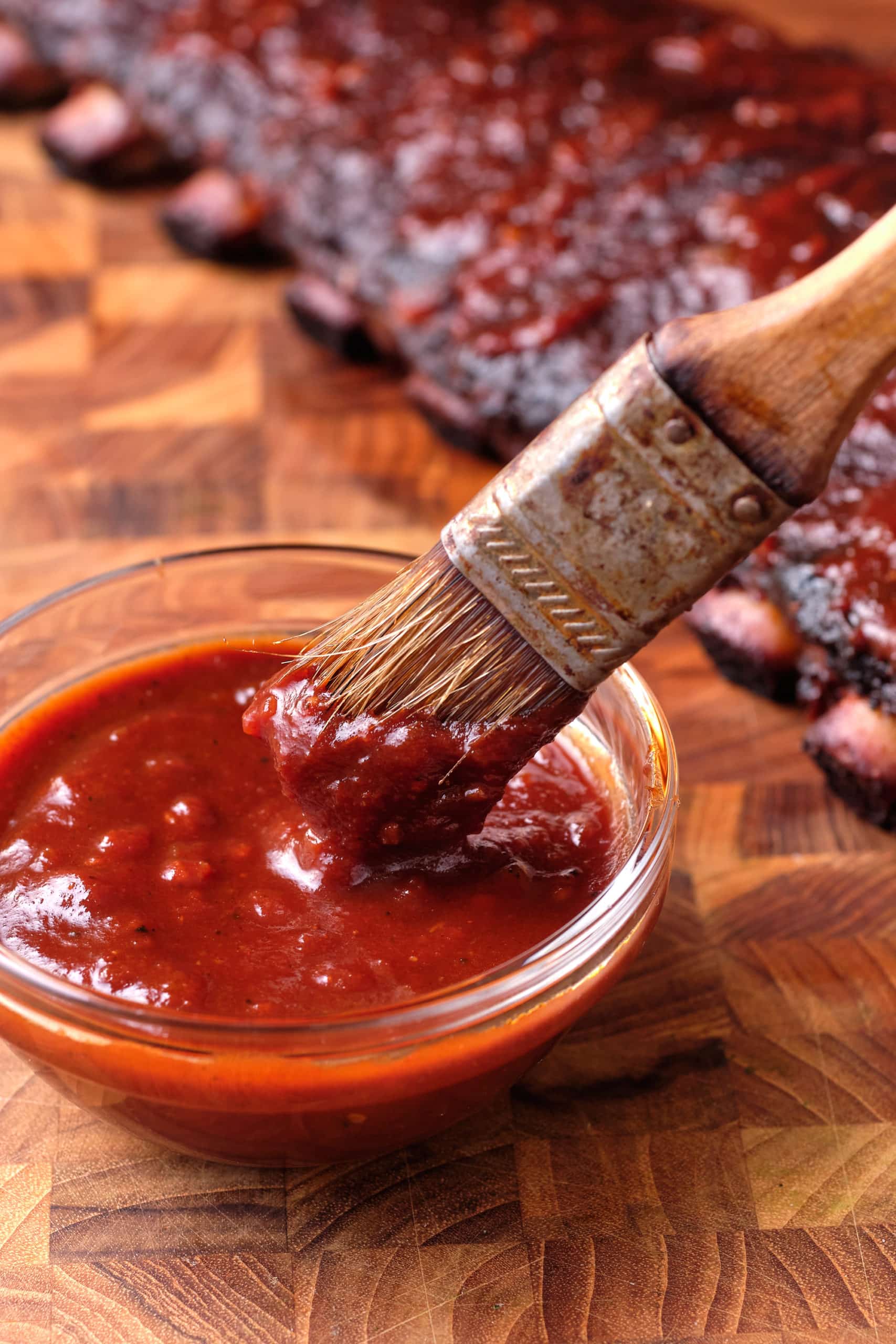
Manong sauce, a Filipino culinary treasure, is a flavorful and versatile condiment that adds a sweet, savory, and slightly tangy touch to various dishes. Often associated with street food vendors (“manong” being a respectful term for an older male), its popularity stems from its ease of preparation and its ability to enhance the taste of grilled meats, fried snacks, and even rice dishes. The “manong sauce recipe” is highly sought after by home cooks and food enthusiasts alike for its ability to recreate authentic Filipino flavors in the comfort of their own kitchens.
💡 Recipe Key Takeaways:
- Core Flavor: Easy-to-follow, delicious culinary preparation for Manong Sauce Recipe.
- Target Scope: Quick weeknight family dinners, home cooking, and festive meal planning.
- Chef Tip: Prep all measured ingredients in advance (mise en place) to ensure even cooking and optimal texture.
Ingredients
The essential components of manong sauce include:
- Soy Sauce: Forms the base, providing a salty and umami depth. Low-sodium soy sauce can be used for those watching their sodium intake.
- Brown Sugar: Adds sweetness and caramelization. Adjust the amount according to preferred sweetness level; dark brown sugar offers a richer molasses flavor.
- Vinegar: Contributes tanginess and balances the sweetness. White vinegar is common, but apple cider vinegar or cane vinegar can provide a slightly different flavor profile.
- Garlic: Provides a pungent and aromatic element. Freshly minced garlic is recommended, but garlic powder can be used in a pinch.
- Black Pepper: Adds a subtle spice. Freshly ground black pepper is preferable for a more robust flavor.
- Water: Used to adjust the consistency of the sauce.
- (Optional) Cornstarch Slurry: For thickening the sauce. A mixture of cornstarch and cold water.
Preparation Steps
Before embarking on the cooking process, proper preparation is key to a flavorful manong sauce. Begin by finely mincing the garlic. This ensures even distribution of flavor throughout the sauce. Measure out all the ingredients accurately to maintain the desired balance of sweet, salty, and tangy notes. If using cornstarch slurry, prepare it by mixing cornstarch with cold water until smooth, ensuring no lumps remain. This step is crucial for achieving the desired thickness of the sauce. Related guide: Manong Sauce Without Onion And Garlic.
Cooking Instructions
Creating the perfect manong sauce involves a simple yet precise cooking process:
- In a saucepan, combine the soy sauce, brown sugar, vinegar, minced garlic, and black pepper.
- Add water to adjust the consistency to your liking. Start with a small amount and add more as needed.
- Bring the mixture to a simmer over medium heat, stirring occasionally to ensure the brown sugar dissolves completely.
- Once simmering, reduce the heat to low and continue to cook for approximately 10-15 minutes, allowing the flavors to meld together.
- If desired, slowly drizzle in the cornstarch slurry while stirring continuously until the sauce thickens to your preferred consistency. This usually takes only a minute or two.
- Remove the sauce from the heat and allow it to cool slightly before serving.
Serving Suggestions
Manong sauce is incredibly versatile and complements a wide array of dishes. It is traditionally served as a dipping sauce for grilled meats like pork skewers (isaw) and chicken barbecue. Its sweet and savory flavor also makes it an excellent marinade for these meats. Drizzle it over fried snacks such as lumpia (spring rolls) or fish balls for an extra burst of flavor. For a simple yet satisfying meal, pour it over steamed rice and top with a fried egg. Consider using it as a glaze for roasted vegetables or as a condiment for sandwiches and wraps. Garnish with chopped green onions or sesame seeds for added visual appeal.
Tips and Common Mistakes
To elevate manong sauce, consider these helpful tips and common pitfalls to avoid:
- Tip: For a deeper, richer flavor, simmer the sauce for a longer period, allowing the flavors to meld together more thoroughly.
- Tip: Adjust the sweetness and tanginess to your liking by adding more brown sugar or vinegar, respectively.
- Mistake: Overcooking the sauce can result in a thick, sticky consistency. Be mindful of the cooking time and adjust the heat accordingly.
- Mistake: Adding the cornstarch slurry directly to boiling liquid can cause lumps to form. Always mix it with cold water first.
- Mistake: Using too much garlic can overpower the other flavors. Start with a small amount and add more to taste.
Explore More Cooking Guides
Learning to create the perfect “manong sauce recipe” unlocks a world of culinary possibilities, bringing the authentic flavors of the Philippines to your table. Its versatility, ease of preparation, and delightful sweet-savory profile make it an essential addition to any home cook’s repertoire. The ability to adapt the recipe to personal preferences ensures a perfect match for any palate or occasion. Embrace the culinary adventure and discover the magic of “manong sauce”. Try this recipe at home and explore more cooking guides at website.com for endless inspiration.
Preparation & Cooking Specifications
| Prep Step | Estimated Time | Chef’s Best Practice |
|---|---|---|
| Mise en Place & Chopping | 10 – 15 Minutes | Keep ingredients uniform for even cooking |
| Active Cooking / Searing | 15 – 25 Minutes | Preheat skillet thoroughly before adding oil |
| Resting & Plating | 5 Minutes | Allow juices to redistribute before slicing |
Images References
Looking for more delicious meal ideas? Explore our tested Sauces & Condiments collection for easy, family-friendly recipes.