Introduction
The allure of smoked fish lies in its rich, smoky flavor and delicate texture. A “smoked steelhead trout recipe” elevates this experience, offering a delightful alternative to salmon. Steelhead trout, known for its vibrant color and succulent flesh, lends itself beautifully to the smoking process. This method, traditionally used for preservation, now enhances the natural flavors of the fish, making it a popular choice for both casual meals and elegant appetizers. Many home cooks appreciate the relatively straightforward process, allowing for delicious, restaurant-quality smoked fish at home.
💡 Recipe Key Takeaways:
- Core Flavor: Easy-to-follow, delicious culinary preparation for Smoked Steelhead Trout Recipe.
- Target Scope: Quick weeknight family dinners, home cooking, and festive meal planning.
- Chef Tip: Prep all measured ingredients in advance (mise en place) to ensure even cooking and optimal texture.
Ingredients
The essential ingredients for a successful “smoked steelhead trout recipe” include:
Steelhead Trout Fillets: Fresh, skin-on fillets are recommended. The skin helps hold the fish together during smoking.
Salt: Kosher salt or sea salt is crucial for curing the fish and drawing out moisture.
Sugar: Brown sugar or granulated sugar adds a subtle sweetness and aids in the curing process.
Optional Seasonings: Black peppercorns, dill, garlic powder, onion powder, lemon zest, or paprika can be added to customize the flavor.
Wood Chips: Alder, apple, or hickory wood chips are popular choices for smoking, each imparting a unique flavor profile. Alder provides a mild, balanced smoke, while applewood adds a touch of sweetness. Hickory offers a stronger, more robust flavor.
Substitutions: For sugar, maple syrup can be used. for fish, use salmon or any trout.. Related guide: Longjaw Mud Snapper Recipe.
Preparation Steps
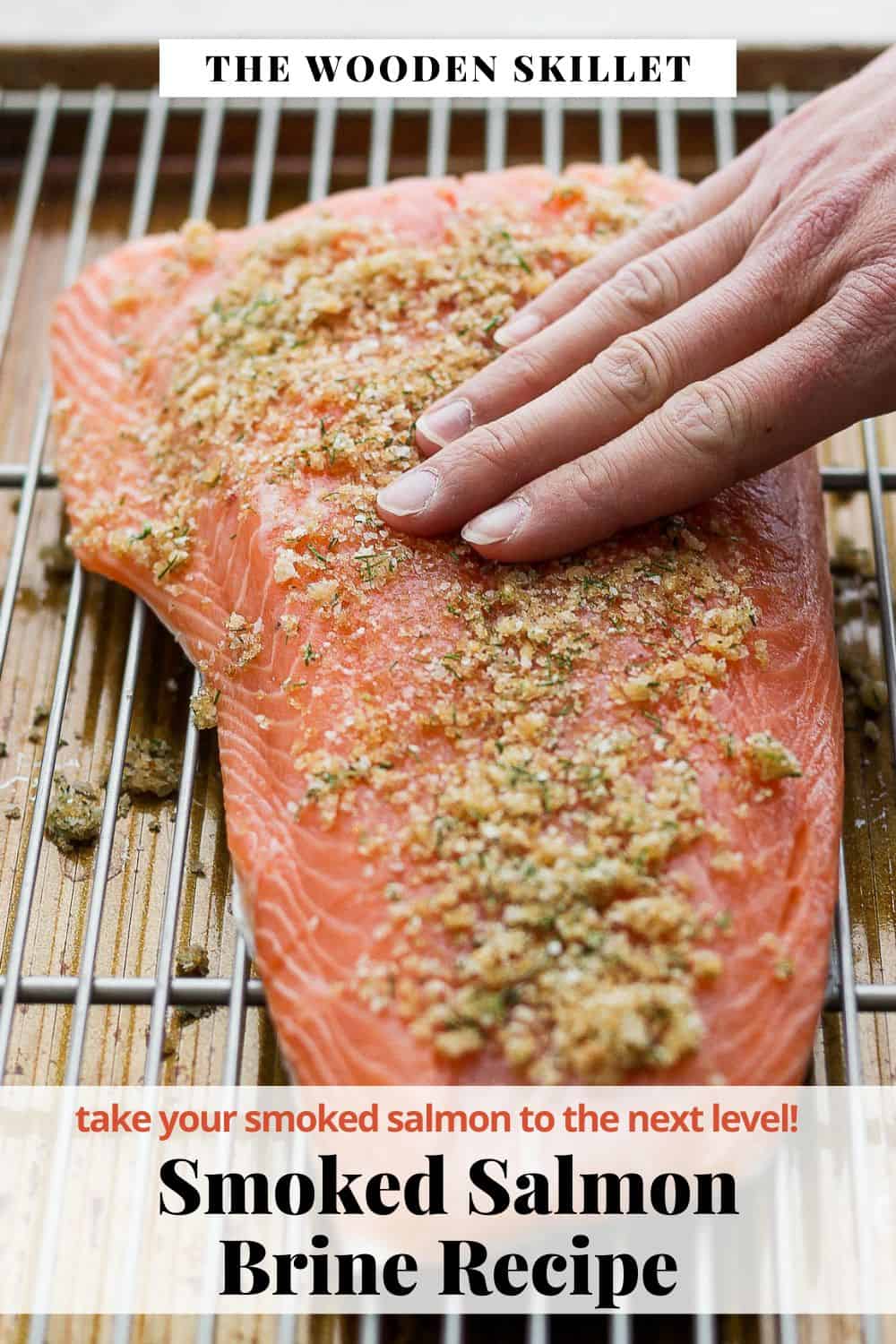
Proper preparation is key to achieving optimal results with any “smoked steelhead trout recipe.” Begin by rinsing the steelhead trout fillets under cold water and patting them dry with paper towels. Removing excess moisture is essential for the curing process. Next, prepare the cure. In a bowl, combine the salt, sugar, and any optional seasonings. A common ratio is 2 parts salt to 1 part sugar, but this can be adjusted to taste. Generously coat both sides of the fillets with the cure, ensuring every area is covered. Place the coated fillets in a non-reactive container, such as a glass dish or a plastic bag. Cover the container and refrigerate for at least 4 hours, or preferably overnight. This curing process draws out moisture, firms the flesh, and infuses the fish with flavor. Before smoking, rinse the fillets thoroughly under cold water to remove excess salt and pat them dry again. Allow the fillets to air-dry in the refrigerator for at least an hour, or even better, for a few hours, to form a pellicle (a tacky surface) on the fish. The pellicle helps the smoke adhere to the fish, resulting in a more flavorful and evenly smoked product.
Cooking Instructions
The cooking instructions for a “smoked steelhead trout recipe” depend on the type of smoker used.
Electric Smoker: Preheat the electric smoker to 225F (107C). Fill the wood chip box with your chosen wood chips according to the manufacturer’s instructions. Place the prepared steelhead trout fillets skin-side down on the smoker rack. Smoke for 2-4 hours, or until the internal temperature reaches 145F (63C). The exact smoking time will vary depending on the thickness of the fillets and the efficiency of the smoker.
Charcoal Smoker: Prepare the charcoal smoker for indirect heat. Light the charcoal and allow it to burn until it’s covered with a layer of gray ash. Place the coals on one side of the smoker and add water to the water pan to maintain humidity. Maintain a consistent temperature of 225F (107C). Add wood chips to the coals as needed to generate smoke. Place the steelhead trout fillets skin-side down on the opposite side of the coals. Smoke for 2-4 hours, or until the internal temperature reaches 145F (63C).
Gas Smoker: Preheat the gas smoker to 225F (107C). Fill the wood chip box with your chosen wood chips. Place the prepared steelhead trout fillets skin-side down on the smoker rack. Smoke for 2-4 hours, or until the internal temperature reaches 145F (63C).
Cold Smoking (advanced): Cold smoking is generally done below 90 F. This is more for curing and preserving the fish rather than cooking it. It takes more monitoring to make sure the smoking temperature is maintained. Hot Smoking (common): Hot smoking refers to smoking fish while cooking it. This is the most common method. Use a meat thermometer to monitor the internal temperature of the fish. The fish is done when it flakes easily with a fork and reaches an internal temperature of 145F (63C). Remove the smoked steelhead trout fillets from the smoker and let them cool slightly before serving.
Serving Suggestions
The versatility of “smoked steelhead trout recipe” makes it a star ingredient in a variety of dishes. Serve it flaked over a bed of greens with a lemon vinaigrette for a light and refreshing salad. Use it as a filling for bagels with cream cheese, capers, and red onion for a classic brunch option. Incorporate it into a creamy pasta dish with asparagus and dill for a decadent and flavorful meal. Smoked steelhead trout also pairs beautifully with crackers and cheese for a simple and elegant appetizer. Consider serving it with horseradish cream, dill sauce, or a simple lemon wedge. For a more substantial meal, serve alongside roasted vegetables, such as potatoes, Brussels sprouts, or asparagus. Its robust flavor complements a wide range of accompaniments. The richness of the fish also makes it a great pairing for Pinot Noir or a crisp Sauvignon Blanc.
Tips and Common Mistakes
To ensure a successful “smoked steelhead trout recipe,” consider these helpful tips. Avoid over-salting the cure, as this can result in overly salty fish. Be sure to rinse the fillets thoroughly after curing. Ensure the smoker is preheated to the correct temperature before adding the fish. Maintaining a consistent temperature throughout the smoking process is crucial for even cooking and flavor. Avoid opening the smoker too frequently, as this can cause temperature fluctuations. Use a meat thermometer to accurately monitor the internal temperature of the fish. Don’t over-smoke the fish, as this can result in a bitter taste. Common mistakes include using old or stale wood chips, not allowing the fish to air-dry sufficiently, and overcooking the fish. Remember that the smoking time will vary depending on the thickness of the fillets and the efficiency of the smoker, so it is always best to rely on a meat thermometer to ensure the fish is cooked to the correct internal temperature.
Explore More Cooking Guides
Mastering the “smoked steelhead trout recipe” opens a world of culinary possibilities. Its distinctive smoky flavor and delicate texture transform simple ingredients into unforgettable dishes. The process, while requiring some attention to detail, is surprisingly accessible to home cooks, offering a rewarding way to elevate your meals. Adapt the recipe to your personal preferences by experimenting with different seasonings and wood chips to create a unique flavor profile. It’s a versatile ingredient that can be enjoyed in countless ways, from elegant appetizers to satisfying main courses. Ready to embark on your smoking adventure? Try this recipe at home and discover the joy of creating your own delicious smoked steelhead trout. For more cooking inspiration and expert guidance, visit website.com for a wealth of recipes and cooking guides.
Preparation & Cooking Specifications
| Prep Step | Estimated Time | Chef’s Best Practice |
|---|---|---|
| Mise en Place & Chopping | 10 – 15 Minutes | Keep ingredients uniform for even cooking |
| Active Cooking / Searing | 15 – 25 Minutes | Preheat skillet thoroughly before adding oil |
| Resting & Plating | 5 Minutes | Allow juices to redistribute before slicing |
Images References
Looking for more delicious meal ideas? Explore our tested Seafood Recipes collection for easy, family-friendly recipes.