Introduction
The tradition of creating anointing oil, as described in the Bible, holds significance for many. The purpose of this preparation is not culinary, but rather spiritual. However, understanding the components and method, even from a historical or academic perspective, can be insightful. While not cooked in the traditional sense, the process involves infusing olive oil with aromatic herbs and spices. The focus isn’t on cooking but rather on careful blending and infusion to create a fragrant oil. It’s crucial to emphasize that this article is for informational and historical context only, and does not endorse any specific religious practices.
💡 Recipe Key Takeaways:
- Core Flavor: Easy-to-follow, delicious culinary preparation for Anointing Oil In The Bible Recipe.
- Target Scope: Quick weeknight family dinners, home cooking, and festive meal planning.
- Chef Tip: Prep all measured ingredients in advance (mise en place) to ensure even cooking and optimal texture.
Ingredients
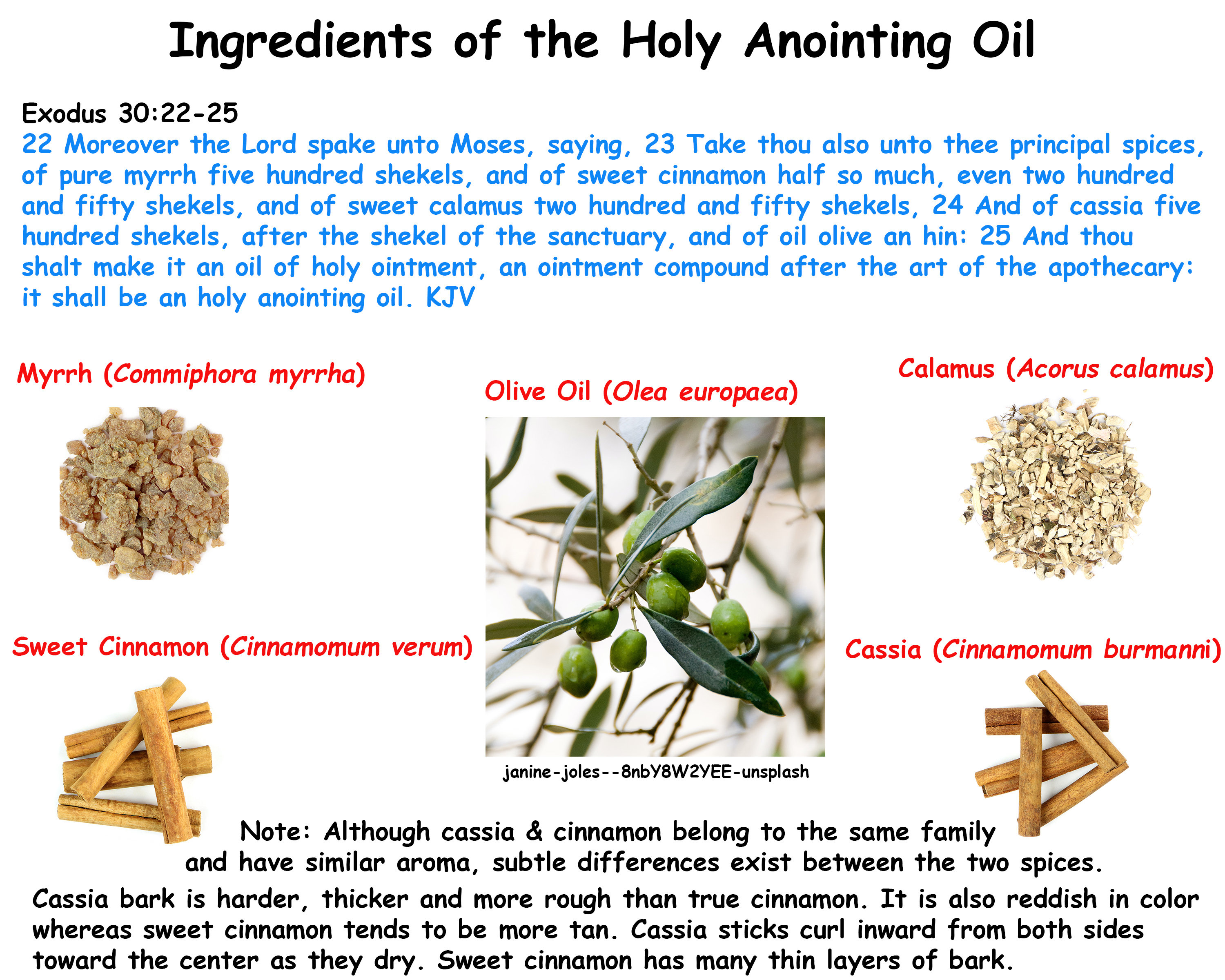
The primary ingredients, as outlined in Exodus 30:23-25, are:
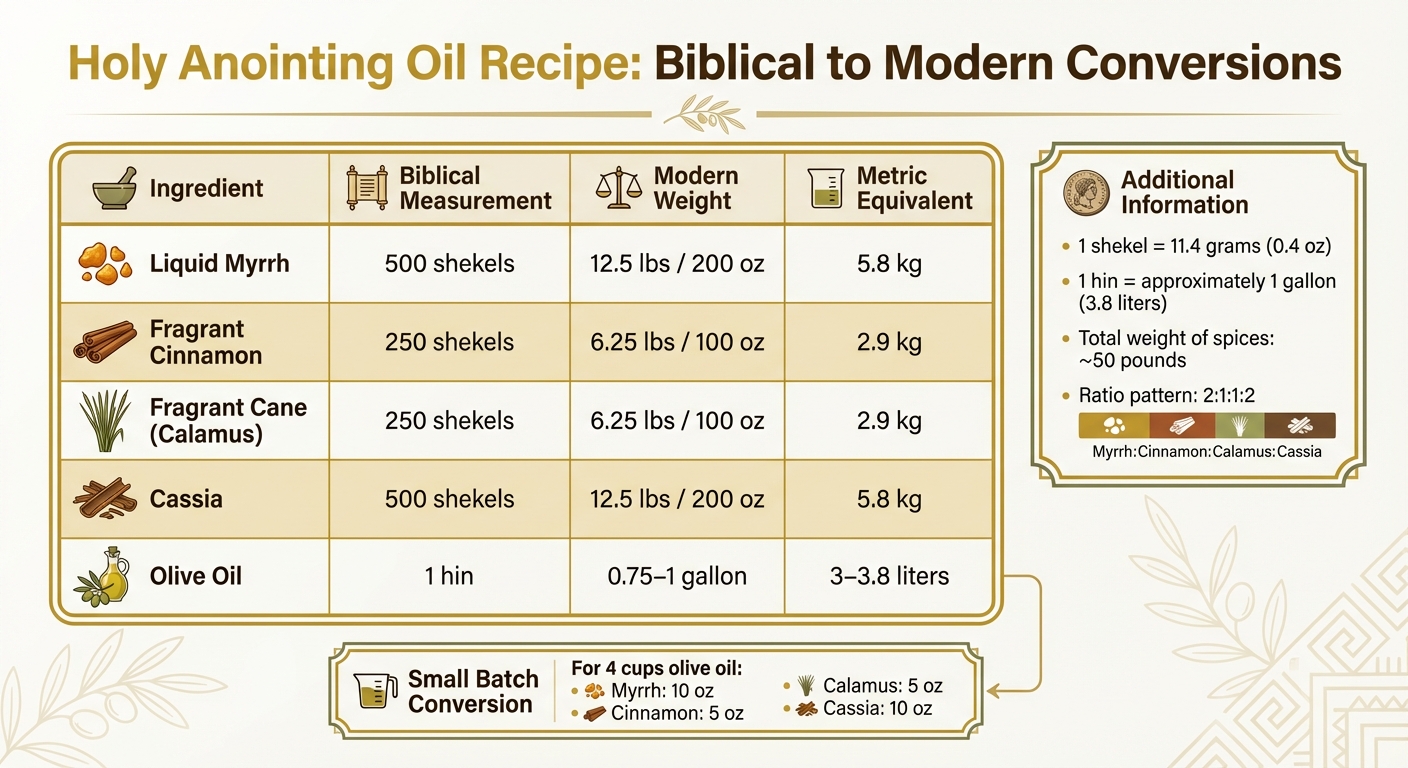
- Olive Oil: Approximately one hin (about 4 quarts or 3.8 liters) is the base. Choose a high-quality, extra virgin olive oil.
- Myrrh: 500 shekels (about 12.5 pounds or 5.7 kilograms) of liquid myrrh. Myrrh provides a resinous, balsamic aroma.
- Sweet Cinnamon: 250 shekels (about 6.25 pounds or 2.8 kilograms). This offers a warm, spicy sweetness.
- Calamus: 250 shekels (about 6.25 pounds or 2.8 kilograms). Calamus adds a more pungent, slightly bitter note.
- Cassia: 500 shekels (about 12.5 pounds or 5.7 kilograms). Similar to cinnamon but with a coarser aroma.
Substitutions and Modern Adaptations: Given the difficulty in sourcing precise ancient ingredients and weights, modern adaptations are common. Essential oils are frequently used as substitutes, ensuring a concentrated aroma. Precise conversions from ancient shekels to modern measurements are debated, so adjust quantities to personal preference, starting with smaller amounts and gradually increasing to achieve the desired scent.
Preparation Steps
Due to the ingredients, it is not cooking the oil. The most important phase is preparation. If using raw herbs and spices (not essential oils):. Related guide: Borderlands The Pre Sequal All Grinder Recipies.
- Grind the Herbs and Spices: Finely grind the myrrh, cinnamon, calamus, and cassia. A mortar and pestle or a spice grinder works well.
- Gentle Heating (Optional): Some traditions suggest gently warming the olive oil before infusion. This can help the oil better absorb the aromas. Do not boil or overheat the oil. The temperature should be just warm to the touch.
Tips for Efficiency and Better Aroma: Toasting the spices lightly before grinding can enhance their aroma. Ensure all tools are clean and dry to prevent contamination of the oil.
Cooking Instructions
As “anointing oil in the bible recipe” is not traditionally cooked, the process focuses on infusing the olive oil with the aromas of the spices.
- Combine Ingredients: In a clean glass jar or container, combine the olive oil and the ground herbs and spices (or the essential oils).
- Infusion Process: Seal the container tightly. Place the jar in a cool, dark place for at least two to four weeks. This allows the oil to fully absorb the aromas. Gently shake the jar every few days.
- Straining (Optional): After the infusion period, the oil can be strained through a cheesecloth to remove any solid particles. This results in a clearer oil. If using essential oils, straining is not necessary.
Recommended Times and “Temperatures”: The key is patience. A longer infusion period generally results in a more potent aroma. Avoid direct sunlight or heat during the infusion process. Room temperature is ideal.
Serving Suggestions
While the recipe is not for culinary purposes, historically, it was not served for consumption at all. It was used for the act of anointing.
Tips and Common Mistakes
Useful Tips to Enhance Aroma: Using high-quality ingredients is crucial for a superior aroma. If using essential oils, ensure they are pure and therapeutic grade. Common Mistakes to Avoid:
- Overheating the Oil: Avoid heating the olive oil to high temperatures, as this can degrade its quality and alter the aroma.
- Using Rancid Spices: Ensure the spices are fresh and fragrant. Old or rancid spices will negatively impact the final product.
- Impatience: Allowing sufficient time for infusion is critical. Rushing the process will result in a weaker aroma.
- Contamination: Always use clean containers and tools to avoid introducing bacteria or impurities into the oil.
Explore More Cooking Guides
Understanding the process of creating “anointing oil in the bible recipe” provides insight into ancient practices and the use of natural ingredients for aromatic purposes. While not a culinary recipe, its creation involves a careful blending of elements to achieve a specific aroma and effect. Readers are encouraged to explore this historical context and adapt the principles for creating infused oils for other purposes, always respecting the original significance. Discover more guides to understanding historical practices and the use of natural ingredients at website.com.
Preparation & Cooking Specifications
| Prep Step | Estimated Time | Chef’s Best Practice |
|---|---|---|
| Mise en Place & Chopping | 10 – 15 Minutes | Keep ingredients uniform for even cooking |
| Active Cooking / Searing | 15 – 25 Minutes | Preheat skillet thoroughly before adding oil |
| Resting & Plating | 5 Minutes | Allow juices to redistribute before slicing |
Images References
Looking for more delicious meal ideas? Explore our tested Special Recipes collection for easy, family-friendly recipes.
Images References