Introduction
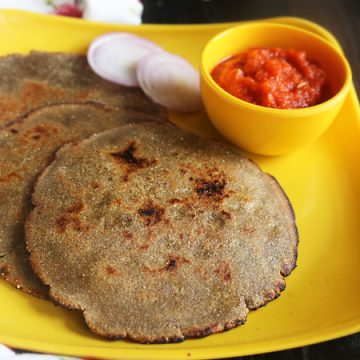
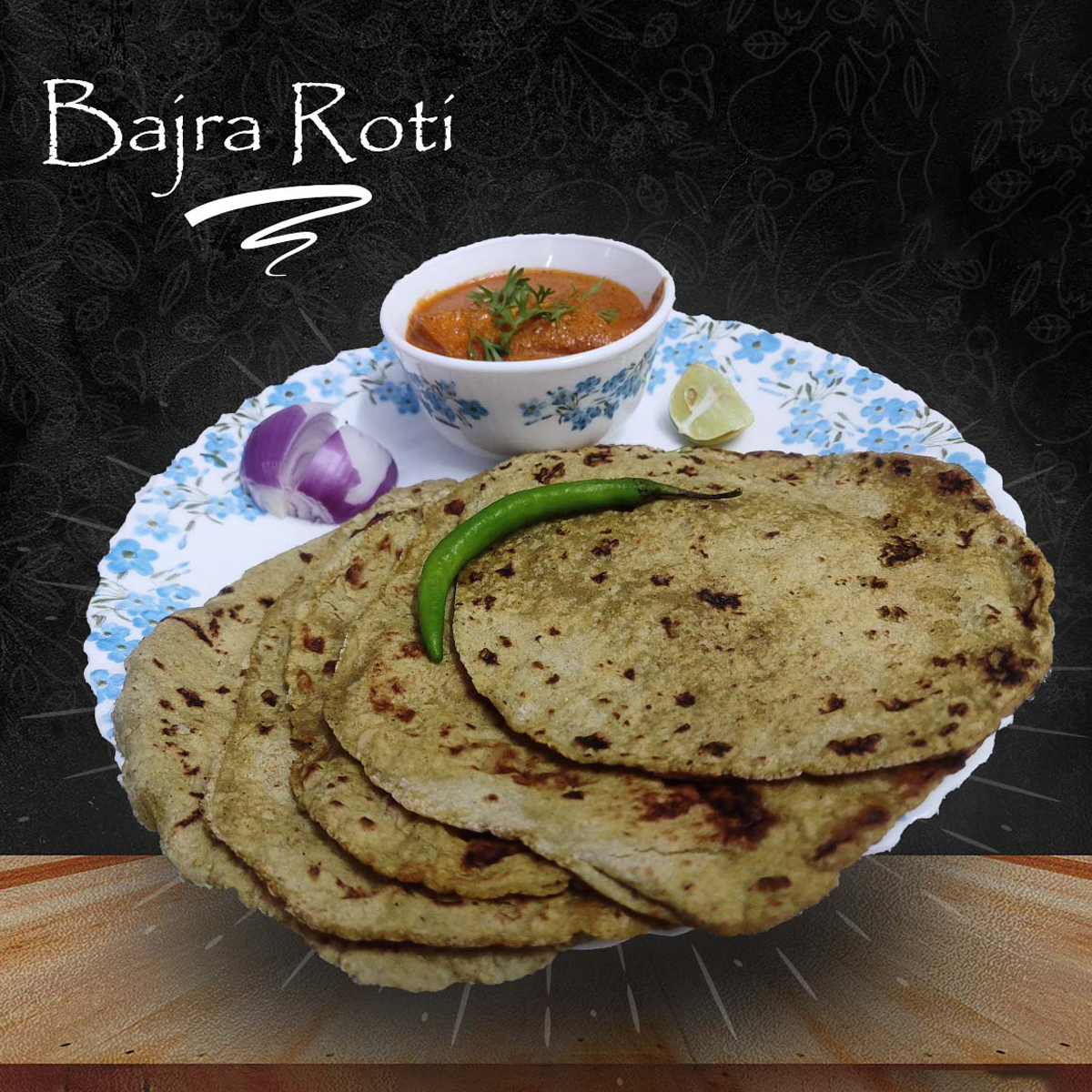
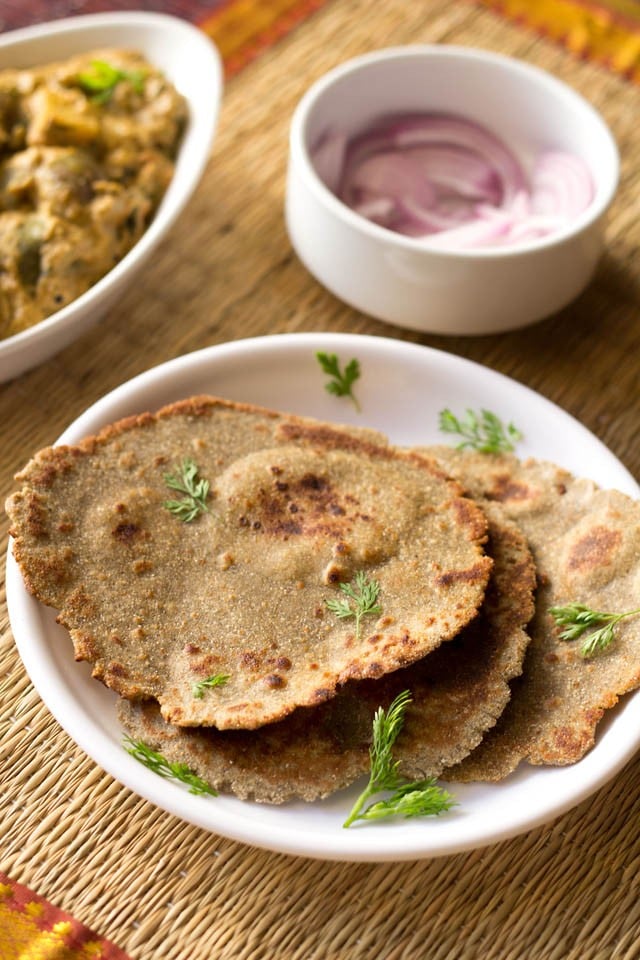
Bajra roti, also known as pearl millet flatbread, is a staple in many parts of India, particularly during the winter months. This hearty and nutritious bread is prized for its earthy flavor, rustic texture, and warming properties. It is commonly cooked as a healthy alternative to wheat-based rotis, offering a gluten-free option packed with fiber and essential nutrients. Its popularity stems from its accessibility, affordability, and significant health benefits.
💡 Recipe Key Takeaways:
- Core Flavor: Easy-to-follow, delicious culinary preparation for Bajra Roti Recipe.
- Target Scope: Quick weeknight family dinners, home cooking, and festive meal planning.
- Chef Tip: Prep all measured ingredients in advance (mise en place) to ensure even cooking and optimal texture.
Ingredients
The primary ingredient for bajra roti is bajra flour (pearl millet flour). Ensure it is finely ground for a smoother dough. A pinch of salt is also required to enhance the flavor. Warm water is used to bind the flour together. Optional additions include a teaspoon of ghee or oil for added moisture and pliability. For a slightly different flavor profile, consider adding a pinch of ajwain (carom seeds) or dried fenugreek leaves (kasoori methi). Related guide: Copycat Siete Taco Season Mix.
Preparation Steps
Before starting, ensure the bajra flour is fresh. Sifting the flour can remove any lumps and result in a smoother dough. In a large bowl, combine the bajra flour and salt. Gradually add warm water, mixing with your hands until a dough forms. The dough should be firm but pliable. Knead the dough for 5-7 minutes until it becomes smooth and elastic. This step is crucial for achieving soft rotis. Cover the dough with a damp cloth and let it rest for at least 15-20 minutes. Resting allows the flour to absorb the water fully, resulting in a softer and easier-to-handle dough. Divide the dough into equal-sized portions and roll them into smooth balls.
Cooking Instructions
Bajra roti is traditionally cooked on a flat griddle or tava. Heat a tava over medium-high heat. While the tava is heating, lightly dust a rolling surface with bajra flour. Using a rolling pin, gently roll out each dough ball into a thin circle, about 6-8 inches in diameter. Be careful not to roll it too thin, as it may tear. Carefully transfer the rolled-out roti onto the hot tava. Cook for about 30-45 seconds on each side, or until small bubbles start to appear. Flip the roti and cook the other side for another 30-45 seconds. Now, using tongs, carefully remove the roti from the tava and place it directly on an open flame on a gas stove (if using an electric stove, skip this step and simply continue cooking on the tava, pressing gently with a clean cloth). Cook each side for a few seconds until it puffs up. The roti should be lightly browned with some charred spots. This final step of cooking over an open flame gives the roti its characteristic puffed-up appearance and slightly smoky flavor. Brush the cooked roti with a little ghee or butter before serving.
Serving Suggestions
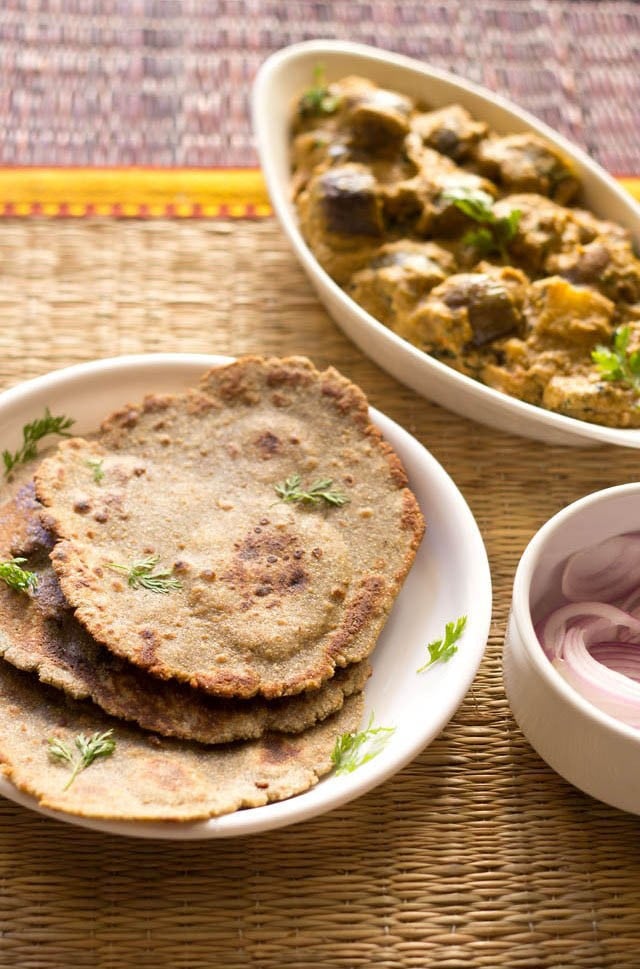
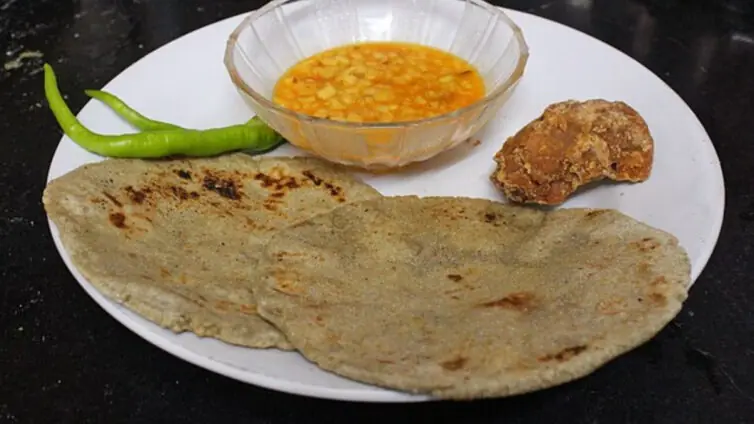
Bajra roti is best served hot, straight off the tava. Traditionally, it is paired with sarson ka saag (mustard greens) and white butter. It also complements various vegetable curries, dal (lentil soup), and raita (yogurt-based dip). For a complete meal, serve with jaggery (unrefined sugar) and a glass of lassi (yogurt drink). Bajra roti can be served as a healthy and satisfying alternative to bread or tortillas in various dishes. It can also be enjoyed as a snack with a dollop of butter or ghee.
Tips and Common Mistakes
A common mistake is using cold water, which can result in a hard and crumbly dough. Always use warm water for better binding. Over-kneading can make the roti tough, so knead the dough just until it becomes smooth. Rolling the roti too thin can cause it to tear. Applying gentle pressure while rolling is key. Avoid cooking the roti at too high a heat, as it will burn quickly and remain uncooked inside. Medium-high heat ensures even cooking. If the roti doesn’t puff up, the tava may not be hot enough, or the dough may not have been kneaded properly. Brushing with ghee or butter immediately after cooking helps keep the rotis soft and prevents them from drying out. Experiment with different flour combinations, such as adding a small amount of wheat flour or sorghum flour to the bajra flour, for a slightly different texture.
Explore More Cooking Guides
Learning to make bajra roti is a gateway to exploring the diverse and flavorful world of Indian cuisine. Its earthy taste, nutritional benefits, and ease of preparation make it a valuable addition to any home cook’s repertoire. The ability to customize it with various flavors and accompaniments ensures that it can be adapted to diverse palates and occasions. Unleash the inner chef and try this traditional recipe at home, experiencing the taste of authentic Indian flatbread. To discover more exciting cooking guides and recipes, visit website.com and continue the culinary adventure!
Preparation & Cooking Specifications
| Prep Step | Estimated Time | Chef’s Best Practice |
|---|---|---|
| Mise en Place & Chopping | 10 – 15 Minutes | Keep ingredients uniform for even cooking |
| Active Cooking / Searing | 15 – 25 Minutes | Preheat skillet thoroughly before adding oil |
| Resting & Plating | 5 Minutes | Allow juices to redistribute before slicing |
Images References
Looking for more delicious meal ideas? Explore our tested Special Recipes collection for easy, family-friendly recipes.
Images References