Introduction
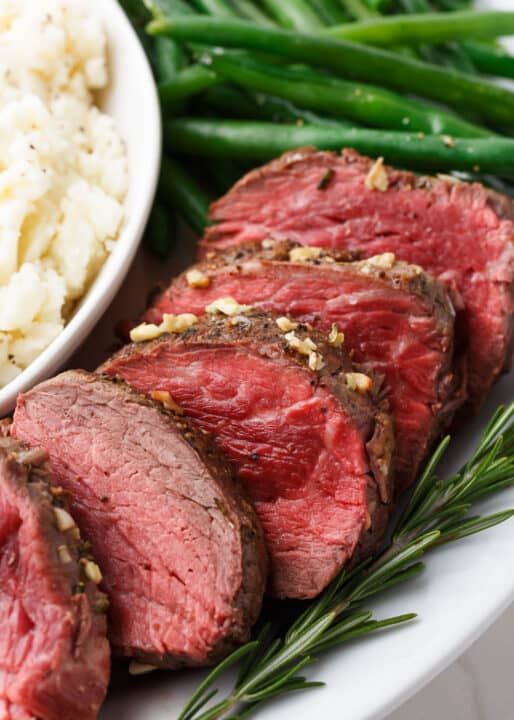
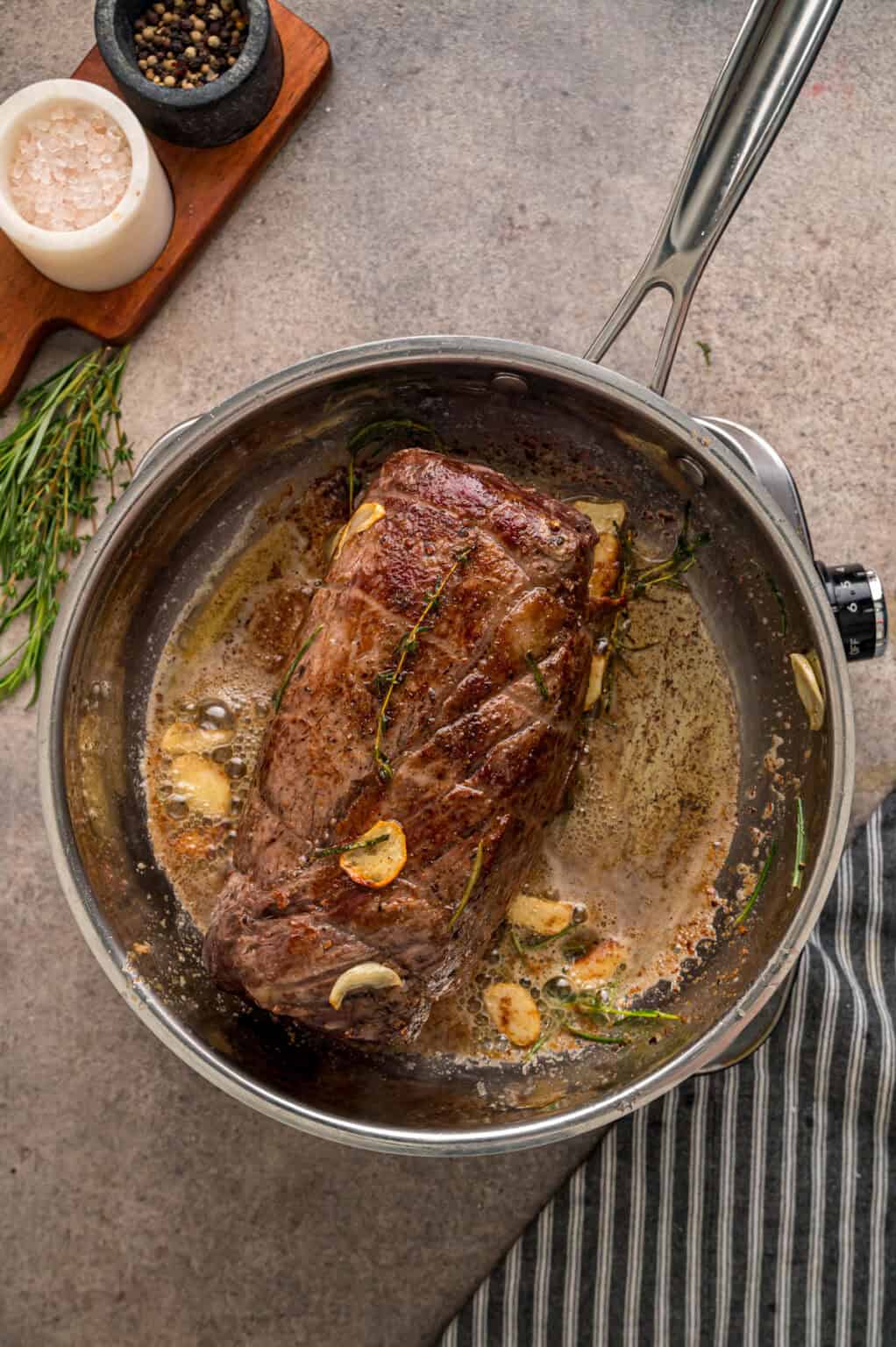
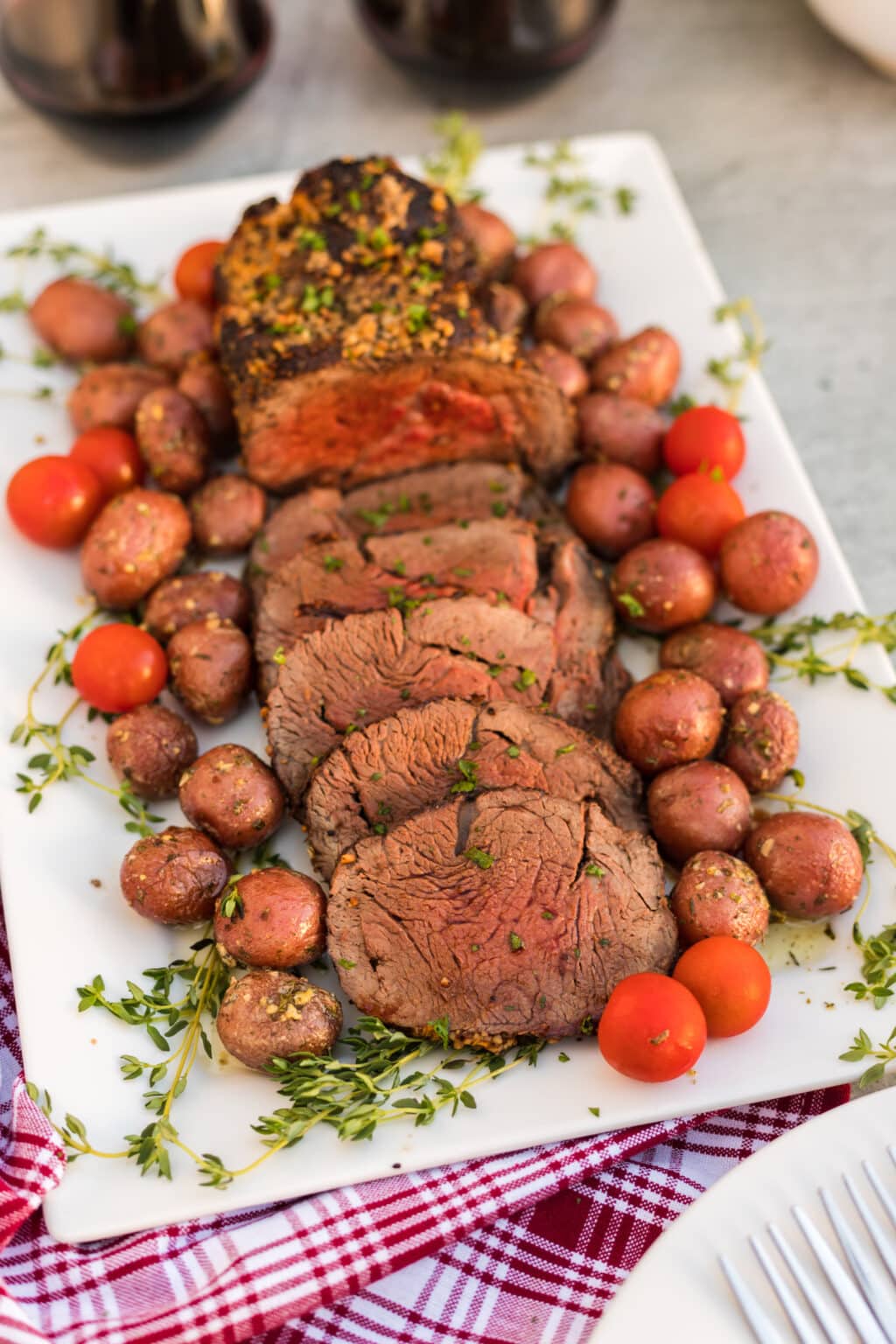
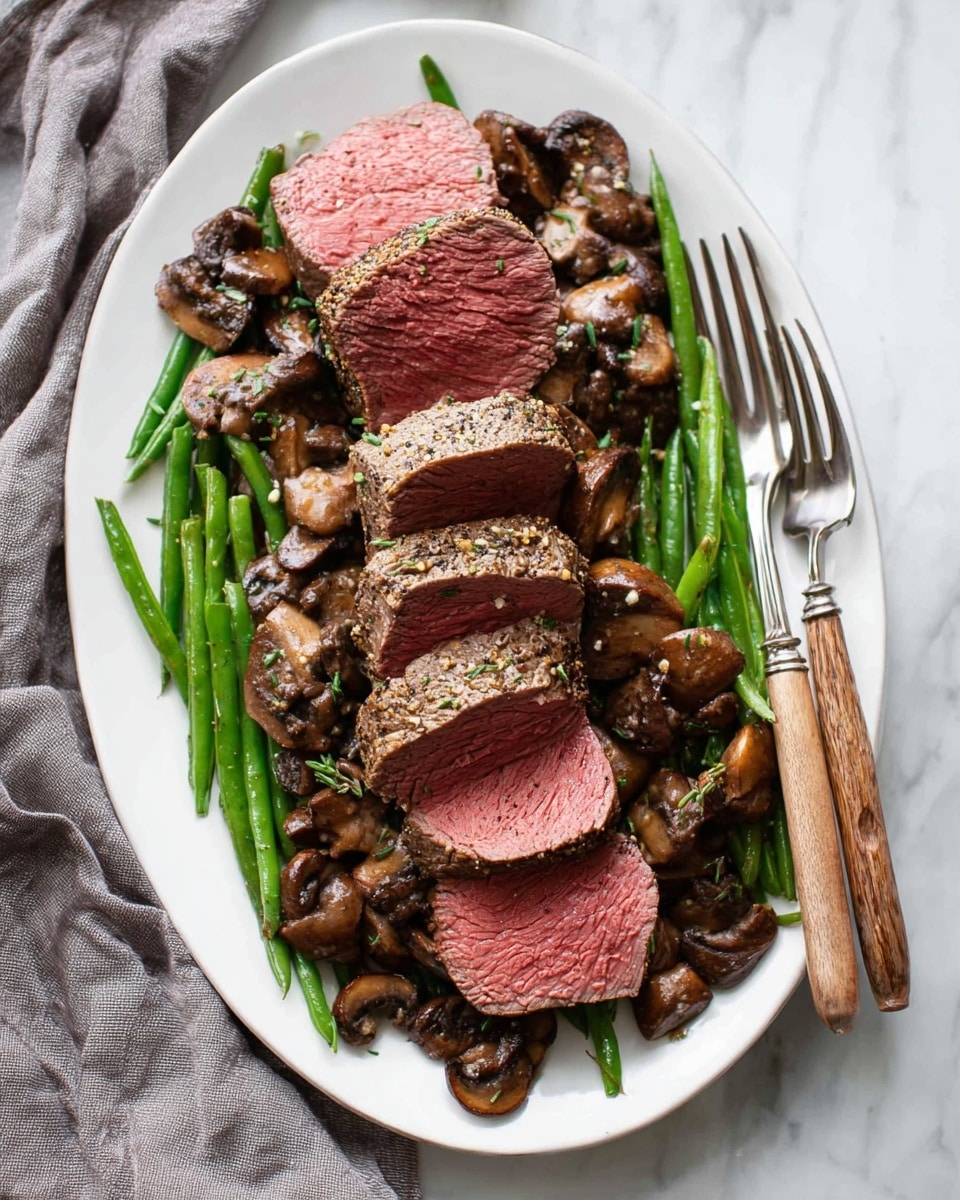
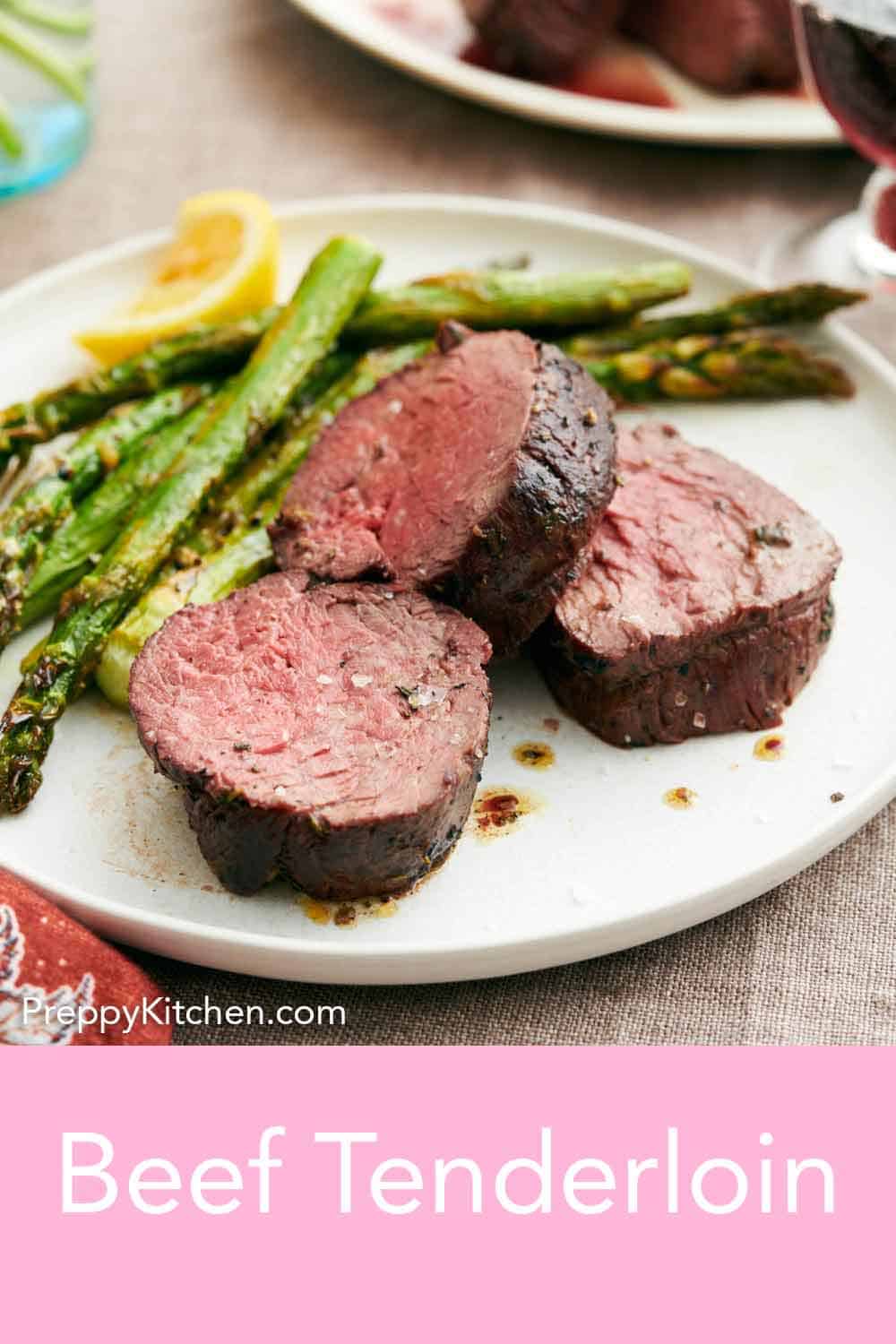
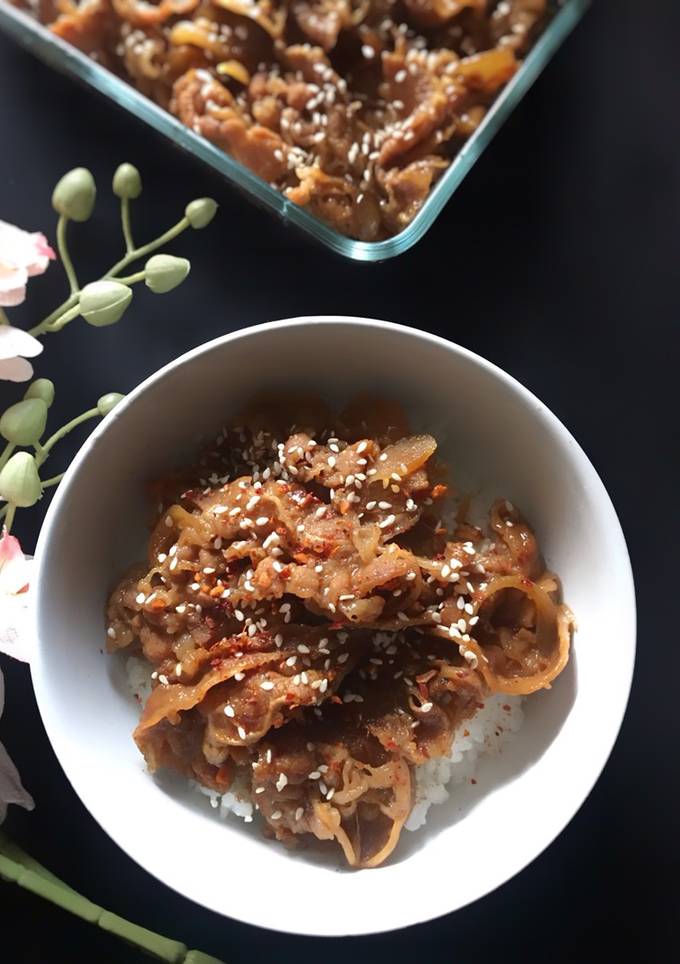
Beef tenderloin porridge is a refined, nutrient-dense comfort dish that utilizes the most tender cut of beef to elevate a simple grain-based meal into a sophisticated staple. According to the Culinary Institute of America (CIA) Standards, maintaining consistent internal temperatures during the slow simmering of grains ensures both optimal starch gelatinization and the preservation of delicate protein fibers. This traditional preparation focuses on balancing the lean, mild profile of the tenderloin with a well-developed, savory congee or porridge base, making it an ideal choice for restorative family meals. Explore further inspiration for hearty classics within Soups & Casseroles.
Culinary Prep Snapshot:
- Core Focus: Slow-simmering high-quality beef tenderloin in a starch-rich porridge base.
- Target Scope: Home cooks seeking restorative, easy-to-digest, and high-protein comfort meals.
- Key Recommendation: Add the tenderloin slices in the final moments of cooking to prevent over-toughening.
Core Principles and Detailed Overview
The structural integrity of beef tenderloin porridge relies on the controlled application of heat to both the starch matrix and the lean protein. Tenderloin, being exceptionally low in connective tissue, requires minimal cooking time compared to tougher cuts, which justifies its use in quick-finish preparations. The base, typically composed of short-grain rice or millet, must reach a creamy, uniform consistency before the beef is introduced. Proper seasoning, often involving ginger, scallions, and high-quality soy sauce, serves to bridge the gap between the subtle sweetness of the beef and the neutral palate of the porridge. Detailed guidance on foundational cooking techniques is available at Cooking Methods & Appliances.
Key Specifications and Breakdown
| Cooking Step / Component | Key Culinary Technique | Chef’s Quality & Food Safety Secret |
|---|---|---|
| Grain Hydration | Simmering/Gelatinization | Use a 1:8 ratio for creamy porridge texture. |
| Tenderloin Prep | Thin Slicing | Slice against the grain for maximum tenderness. |
| Final Integration | Residual Heat Cooking | Add beef at 180°F to ensure safe, succulent results. |
Safe Minimum Internal Temperature — According to the USDA Food Safety and Inspection Service (FSIS), all muscle cuts of beef must reach a minimum internal temperature of 145°F (62.8°C) followed by a three-minute rest time to ensure pathogen reduction.
Step-by-Step Practical Application and Guidelines
Effective preparation of this dish necessitates a clear separation between the porridge base development and the protein finishing. Begin by boiling the grains in a seasoned stock until the desired creamy viscosity is achieved, ensuring the liquid is fully absorbed into the starch structure. Once the porridge is ready, adjust the heat to a gentle simmer and introduce the thinly sliced tenderloin. The beef should be sliced no thicker than 1/8 inch to ensure rapid, even heat distribution. Stirring the mixture continuously for approximately 60 to 90 seconds will cook the beef to a perfect medium-rare state, preserving the luxurious texture of the tenderloin. Garnish immediately with fresh aromatics to maintain the brightness of the final dish.
Common Challenges and How to Avoid Them
Overcooking the tenderloin is the most frequent error in preparing this dish, resulting in a loss of the meat’s characteristic buttery texture. To mitigate this risk, never add the beef during the long simmering phase of the grains; instead, treat the meat as a final-stage addition that relies on the residual heat of the porridge. Furthermore, using stock that is too aggressively salted from the beginning can cause the grains to remain firm rather than breaking down into a silky porridge. Always taste and adjust seasonings only after the porridge has reached its final consistency, ensuring the balance remains harmonious rather than overpowering the delicate flavor of the beef.
💬 Frequently Asked Questions
Explore More Time-Tested Home Recipes on WillyRecipes
Mastering traditional comfort dishes requires patience and an understanding of ingredient behavior. For further culinary development and access to a wide array of classic preparations, continue browsing the extensive archives at WillyRecipes.com, where time-tested methods meet modern home cooking needs.
Visual Reference Gallery