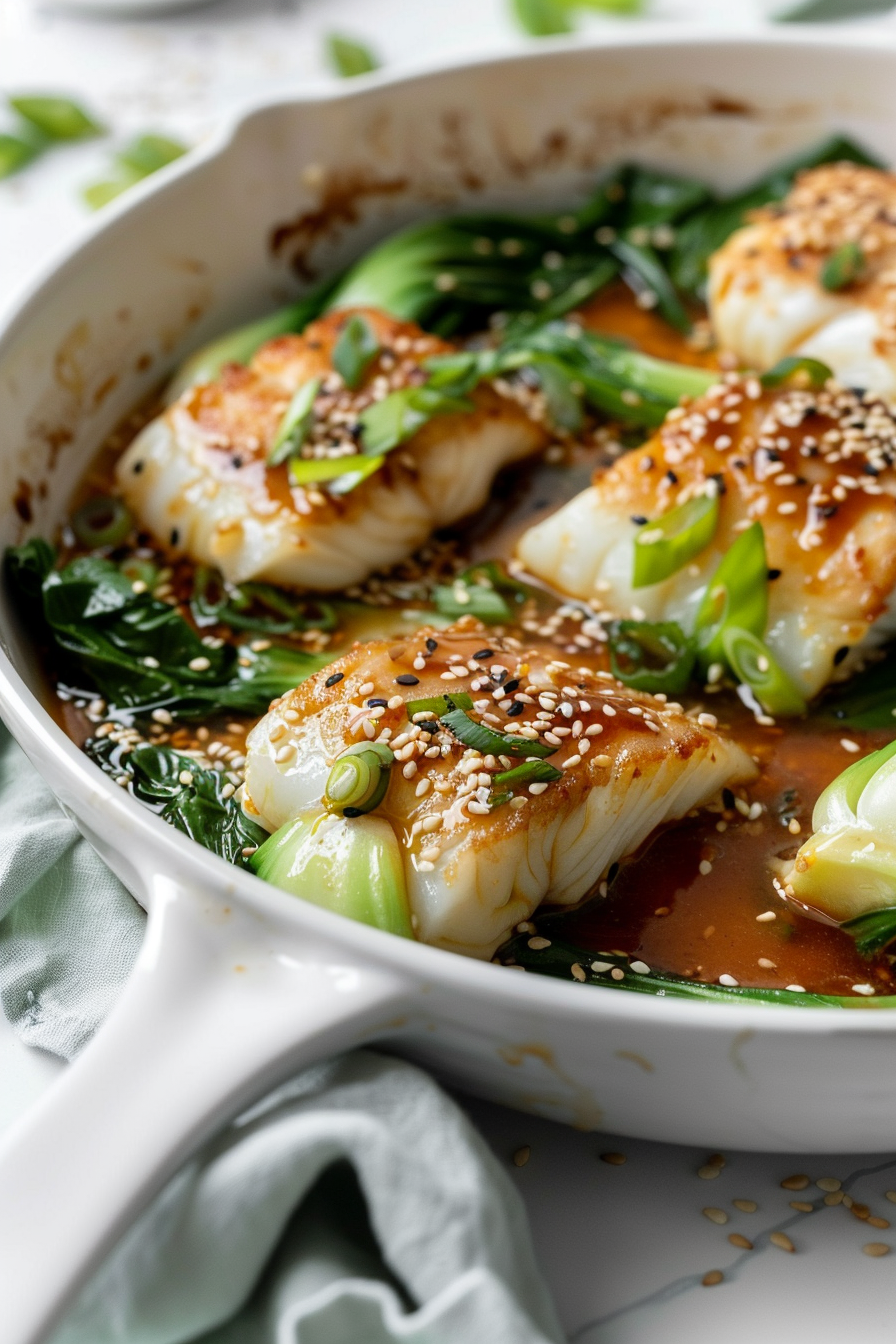
Introduction
Blackened swordfish, a culinary delight, is renowned for its bold, spicy crust and moist, flaky interior. The blackening technique, popularized by Chef Paul Prudhomme in the 1980s, transforms a simple swordfish steak into a flavorful experience. This cooking method, originating in Louisiana, involves coating the fish in a blend of spices and searing it in a hot pan until the spices form a dark, almost black, crust. Swordfish is a favored choice due to its firm texture, which holds up well to the intense heat and seasonings.
💡 Technical Key Takeaways:
- Core Focus: Diagnostic schematic and terminal connection layout for Blackened Swordfish Recipes.
- Target Scope: Field technicians, automotive DIYers, and residential/commercial electricians.
- Safety Rule: Always disconnect the primary power source/battery terminal and verify zero voltage with a multimeter before touching wires.
Ingredients
The key to excellent blackened swordfish lies in the spice blend and fresh, high-quality swordfish. Here’s a breakdown: Swordfish Steaks: Choose steaks that are at least 1-inch thick. Fresh is always best, but frozen and thawed steaks can also work. Blackening Spice Blend: A typical blend includes paprika (sweet and smoked), cayenne pepper (for heat), garlic powder, onion powder, dried thyme, dried oregano, salt, and black pepper. Ratios can be adjusted to suit individual spice preferences. Unsalted Butter: Essential for both flavor and facilitating the blackening process. Ghee can be used as a substitute for a higher smoke point and nutty flavor. Optional: A squeeze of lemon or lime juice after cooking adds brightness. Olive oil or avocado oil can be used in addition to butter for searing. Related guide: Longjaw Mud Snapper Recipe.
Preparation Steps
Proper preparation is crucial for achieving perfect blackened swordfish. 1. Pat Dry: Thoroughly pat the swordfish steaks dry with paper towels. This step is essential to ensure the spices adhere well and the fish sears properly. 2. Spice Application: Generously coat both sides of the swordfish steaks with the blackening spice blend. Press the spices into the fish to create a good crust. 3. Rest (Optional): Allow the spiced swordfish to rest at room temperature for 15-20 minutes. This allows the spices to meld with the fish and helps ensure even cooking. 4. Prepare the Pan: Use a heavy-bottomed skillet, preferably cast iron, as it distributes heat evenly. Place the skillet over high heat to preheat.
Cooking Instructions
The blackening process is quick, so stay attentive. 1. Melt the Butter: Add 2-3 tablespoons of unsalted butter to the preheated skillet. Allow the butter to melt completely and start to smoke slightly. 2. Sear the Swordfish: Carefully place the spiced swordfish steaks into the hot skillet. Avoid overcrowding the pan; cook in batches if necessary. 3. Cook Time: Sear the swordfish for 3-4 minutes per side for medium-rare, 4-5 minutes per side for medium, and 5-6 minutes per side for medium-well. Adjust cooking time based on the thickness of the steaks and your desired level of doneness. The internal temperature should reach 145F (63C). 4. Check for Doneness: The fish is done when it flakes easily with a fork and the internal temperature reaches the desired level. 5. Rest: Remove the swordfish from the skillet and let it rest for a few minutes before serving. This allows the juices to redistribute, resulting in a more tender and flavorful result.
Serving Suggestions
Blackened swordfish pairs well with a variety of sides. Classic Accompaniments: Serve with rice pilaf, roasted vegetables (such as asparagus, broccoli, or bell peppers), or a creamy coleslaw. Sauces: A squeeze of fresh lemon or lime juice brightens the flavor. Consider a creamy avocado sauce, mango salsa, or a simple garlic butter sauce. Garnishes: Fresh parsley, cilantro, or chopped green onions add a pop of color and freshness. Plating Ideas: Arrange the blackened swordfish on a bed of rice or greens. Drizzle with your chosen sauce and garnish with fresh herbs.
Tips and Common Mistakes
Achieving blackened swordfish perfection requires attention to detail. Don’t Overcrowd the Pan: Overcrowding lowers the pan temperature and results in steaming, not searing. Cook in batches if necessary. Use High Heat: High heat is essential for creating the blackened crust. Be careful not to burn the spices, though. Ventilation: The blackening process can create a lot of smoke. Ensure adequate ventilation by opening windows or using a range hood. Don’t Overcook: Swordfish can become dry if overcooked. Use a meat thermometer to ensure it reaches the desired internal temperature. Spice Adjustment: Adjust the amount of cayenne pepper in the spice blend to control the heat level. Choosing Swordfish: Look for swordfish steaks that are firm, moist, and have a fresh, slightly sweet smell. Avoid steaks that look dry or have a strong fishy odor.
Explore More Cooking Guides
Learning to prepare blackened swordfish unlocks a world of flavorful possibilities. The bold spice blend and searing technique create a truly memorable dish that can be adapted to countless side dishes and sauces. This recipe provides a foundation for exploring different spice combinations and experimenting with your own culinary creations. Whether you are a seasoned home cook or a beginner, blackened swordfish is a rewarding dish to master. Try this recipe at home and discover the delightful taste of blackened swordfish! For more exciting cooking guides and recipes, visit website.com and elevate your culinary skills.
Quick Wiring Specifications & Terminal Guide
| Component / Circuit | Standard Wire Gauge | Recommended Protection |
|---|---|---|
| Control & Trigger Signals | 18 – 20 AWG | 5A – 7.5A Inline Fuse |
| Standard Auxiliary Load | 14 – 16 AWG | 15A – 20A Circuit Breaker |
| Main Power Feed / Supply | 10 – 12 AWG | 30A – 40A Heavy-Duty Relay |
Images References
Looking for more delicious meal ideas? Explore our tested Seafood Recipes collection for easy, family-friendly recipes.