Introduction
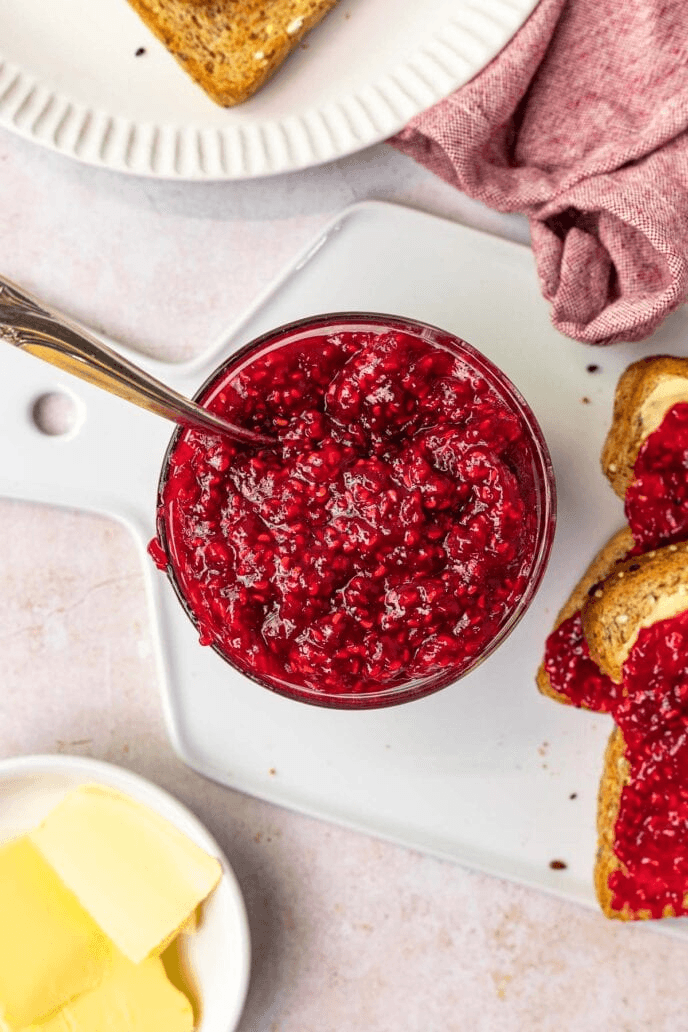
Traditional breakfast jam recipes provide concentrated fruit flavor, reliable natural preservation, and exceptional morning accompaniment value for rustic morning tables. According to the USDA Food Safety and Inspection Service (FSIS), achieving a proper sugar-to-fruit ratio alongside sufficient heat processing is essential for preventing microbial growth and ensuring long-term pantry stability. Mastering old-fashioned preserve preparation elevates morning meals like freshly baked biscuits, griddle cakes, and artisan toasts. Exploring reliable techniques ensures every batch sets firmly without commercial additives or artificial thickeners. Home kitchens utilizing time-tested preservation methods create wholesome condiments that elevate daily Breakfast Recipes with authentic flavor profiles.
Culinary Prep Snapshot:
- Core Focus: Traditional fruit-and-sugar reduction methods for morning preserves.
- Target Scope: Old-fashioned home cooking, canning safety, and texture optimization.
- Key Recommendation: Maintain accurate fruit-to-sugar ratios to guarantee proper gelling and preservation.
Core Principles and Detailed Overview
Traditional breakfast jam preparation relies on the precise chemical balance between fruit pectin, natural acids, and sucrose. Achieving the traditional gel point requires boiling the mixture rapidly until it reaches 220°F (104°C), where fruit pectin molecules cross-link within the concentrated sugar syrup. Modern home cooks frequently pair these fruit spreads with savory items found in Sauces & Condiments collections to balance sweet and savory flavor profiles on the morning plate. Selecting ripe, slightly under-ripe fruit maximizes natural pectin content, while added lemon juice supplies necessary acidity to activate the gelling process.
Key Specifications and Breakdown
| Cooking Step / Component | Key Culinary Technique | Chef’s Quality & Food Safety Secret |
|---|---|---|
| Fruit Maceration | Resting fruit with sugar before heating | Draws out cellular juices to prevent scorching during the initial boil. |
| Rapid Boiling | Rolling boil without stirring constantly | Evaporates excess water quickly to concentrate natural flavors and set the gel. |
| Jar Sterilization | Submerging clean glassware in boiling water | Eliminates ambient spores to guarantee safe long-term shelf storage. |
Proper acidification and reaching the standard 220°F gelling threshold are critical controls for destroying harmful microorganisms and ensuring safe home-canned preserves. — USDA Food Safety and Inspection Service (FSIS)
Step-by-Step Practical Application and Guidelines
Crafting exceptional breakfast spreads begins with washing, destemming, and crushing fresh seasonal fruit in a wide, heavy-bottomed preserving pan. Combine the prepared fruit with granulated sugar and fresh lemon juice, letting the mixture sit for one hour to release natural juices. Place the pan over medium-high heat, stirring constantly until the sugar dissolves completely, then bring the liquid to a vigorous rolling boil. Test for doneness using the chilled-plate method: drop a small spoonful of hot jam onto a frozen plate, return it to the freezer for one minute, and push gently with a finger to verify if the surface wrinkles. Ladle the finished preserve into hot sterilized jars, leaving a precise quarter-inch headspace before processing in a boiling water bath.
Common Challenges and How to Avoid Them
Running into a runny or overly stiff set remains the most frequent hurdle when preparing homemade morning preserves. A soft set usually stems from insufficient boiling time, low fruit acidity, or using overripe fruit lacking adequate natural pectin. Adding a splash of fresh lemon juice corrects acidity issues instantly, while returning the runny mixture to the heat with a small amount of commercial or homemade apple pectin rectifies a failed set. Cooking the fruit too slowly over low heat dulls the bright fruit flavors and caramelizes the sugars improperly, resulting in a dark, unappealing taste profile. Careful heat management and precise temperature verification ensure a vibrant, spreadable consistency every single time.
💬 Frequently Asked Questions
Explore More Time-Tested Home Recipes on WillyRecipes
Mastering traditional pantry staples transforms ordinary mornings into memorable culinary occasions. Discover additional comforting dishes, classic baking projects, and heritage preservation techniques by visiting the complete collection at WillyRecipes.com for endless inspiration.
Recipe Step Photos & Variations