Introduction
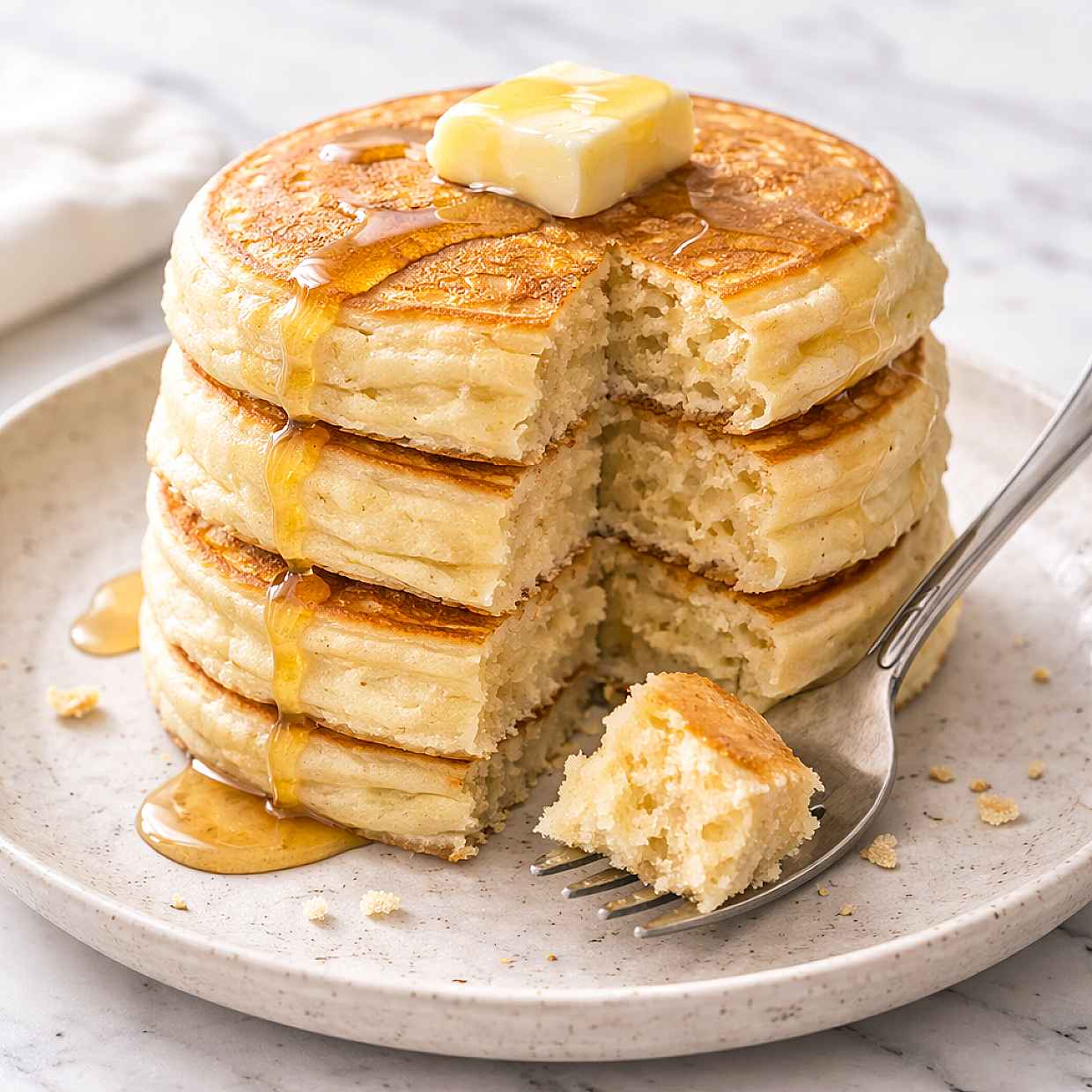
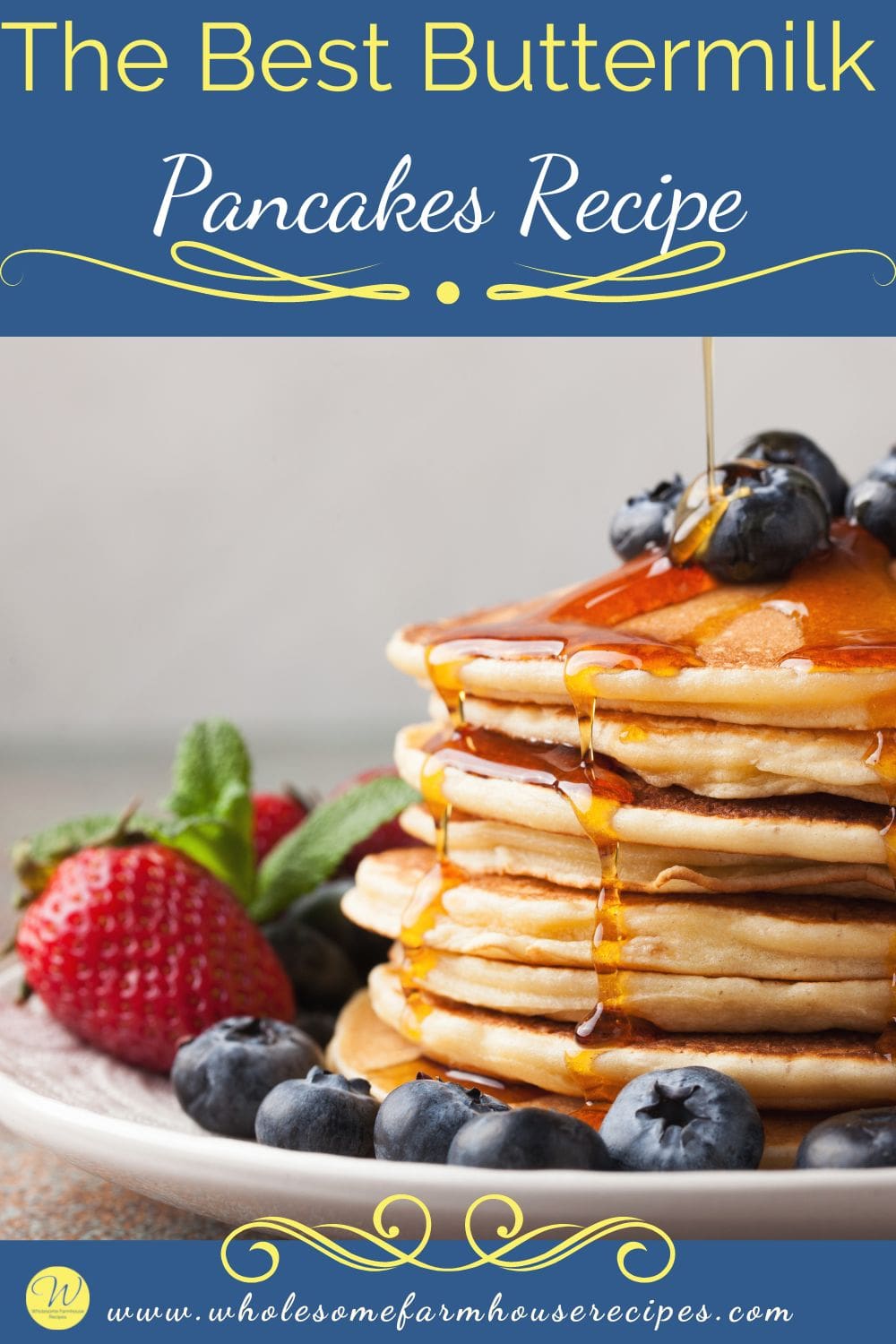
Breakfast recipes like pancakes encompass a wide array of griddle-cooked and batter-bound morning comfort foods that utilize standard pantry staples to achieve fluffy textures and rich flavors. According to the Culinary Institute of America (CIA) Standards, mastering foundational batter techniques ensures consistent moisture retention and optimal leavening across diverse griddle preparations. Home cooks seeking comforting morning meals often look toward traditional griddle cakes, waffles, crepes, and corn cakes to expand their morning repertoire. Exploring these options elevates everyday breakfast menus while honoring time-tested culinary traditions found within the broader Breakfast Recipes collection.
Culinary Prep Snapshot:
- Core Focus: Griddle-based batter breakfast items delivering traditional comfort.
- Target Scope: Family kitchens and home-style breakfast meal planning.
- Key Recommendation: Rest batter for ten minutes before cooking to hydrate starches fully.
Core Principles and Detailed Overview
Breakfast recipes like pancakes rely on precise ratios of flour, liquid, leavening agents, and fat to create the characteristic tender crumb and golden-brown exterior. The chemical reaction between baking powder or baking soda and acidic ingredients like buttermilk generates carbon dioxide bubbles, which expand under heat to lighten the batter. Traditional variations such as flannel cakes, Swedish pancakes, and French-style crêpes manipulate these foundational ratios to alter thickness and density. Understanding heat distribution on heavy-bottomed cast-iron skillets or electric griddles prevents hot spots and ensures even browning across every single portion.
Key Specifications and Breakdown
| Cooking Step / Component | Key Culinary Technique | Chef’s Quality & Food Safety Secret |
|---|---|---|
| Dry Ingredient Blending | Whisking flour, leavening, and salt uniformly | Distributes baking powder evenly to avoid uneven rising and metallic pockets. |
| Wet-Dry Integration | Gentle folding just until moistened | Over-mixing develops gluten networks, resulting in tough, rubbery textures. |
| Griddle Management | Preheating to a stable 375 degrees Fahrenheit | Testing surface heat with water droplets prevents scorching or raw centers. |
Proper internal thermal standards and ingredient safety protocols dictate that cooked breakfast batters must reach a fully set structure without lingering raw moisture centers — USDA Food Safety and Inspection Service (FSIS)
Step-by-Step Practical Application and Guidelines
Breakfast recipes like pancakes achieve superior texture when cooks combine dry components separately from wet dairy and eggs before gently folding the two together. Lumps should remain visible within the mixed batter to guarantee tenderness after cooking on a moderately hot, lightly buttered griddle surface. Bubbles breaking across the surface of the batter indicate the correct moment to execute a single, confident flip. Maintaining consistent temperature control throughout the cooking cycle ensures uniform coloring and prevents external burning before the interior cooks through completely.
Common Challenges and How to Avoid Them
Dense or rubbery textures in breakfast recipes like pancakes typically stem from over-mixing the batter or utilizing expired leavening agents that fail to produce carbon dioxide. Allowing the batter to rest briefly empowers the flour to absorb liquids evenly, while replacing old baking powder guarantees reliable rise. Uneven browning usually points to inconsistent pan temperature or excess butter pooling on the cooking surface, which can be corrected by wiping the skillet clean between batches with an oiled paper towel.
💬 Frequently Asked Questions
Explore More Time-Tested Home Recipes on WillyRecipes
Mastering comforting morning foods opens the door to countless traditional dishes that bring families together around the kitchen table. Culinary enthusiasts can browse additional comforting meal ideas, baking inspirations, and classic preparations by visiting the central hub at WillyRecipes.com for step-by-step guidance.
Recipe Step Photos & Variations