Introduction
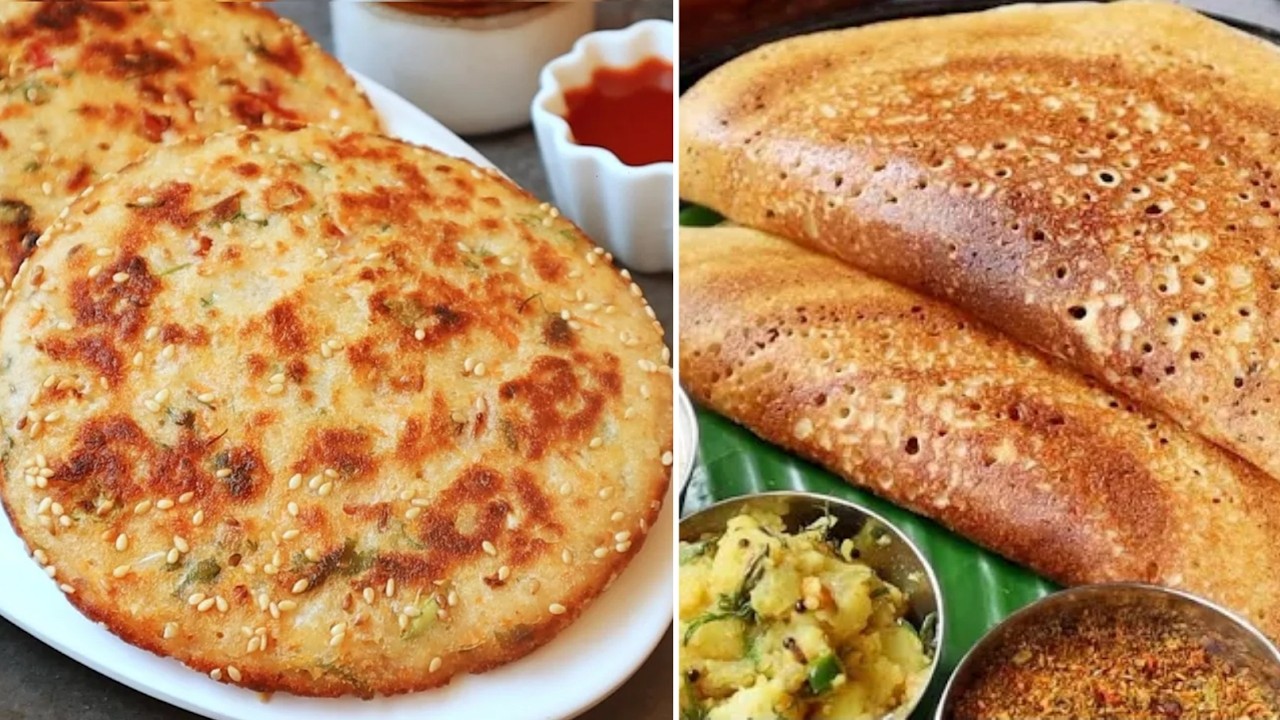
Breakfast recipes rice flour utilize gluten-free milled grains to produce exceptionally crisp pancakes, tender crêpes, and light batters that outperform conventional wheat-based morning staples in texture and digestibility. According to Culinary Institute of America (CIA) Standards, utilizing alternative flours requires careful hydration adjustments to achieve the ideal starch gelatinization and structural integrity necessary for traditional comfort foods. Mastering these traditional morning meals transforms gluten-free pantry staples into golden, old-fashioned favorites that satisfy diverse dietary needs without sacrificing the nostalgic flavors of a classic family table. Kitchen planners exploring versatile morning meals can also browse curated collections found under Breakfast Recipes for additional inspiration.
Culinary Prep Snapshot:
- Core Focus: Traditional comfort food morning dishes prepared with finely milled rice flour.
- Target Scope: Gluten-free family breakfasts, griddle cakes, and traditional baked morning goods.
- Key Recommendation: Allow batter to rest for twenty minutes to ensure complete hydration of starch molecules before cooking.
Core Principles and Detailed Overview
Rice flour lacks gluten protein networks, meaning structure depends entirely on starch gelatinization, egg proteins, and proper leavening agents during the cooking process. Selecting the correct type of rice flour dictates the final mouthfeel of morning dishes, where white rice flour yields a delicate, tender crumb, and sweet glutinous rice flour provides an authentic chewy texture suitable for traditional Asian-inspired breakfast cakes. Successful preparation involves balancing liquid absorption rates, as rice starches absorb moisture differently than wheat derivatives, often requiring a slightly higher resting time before hitting a preheated, well-oiled skillet. Professional techniques emphasize precise temperature control to prevent rapid browning before the interior starches fully set.
Key Specifications and Breakdown
| Cooking Step / Component | Key Culinary Technique | Chef’s Quality & Food Safety Secret |
|---|---|---|
| Batter Mixing | Whisking dry ingredients with dairy or plant milk | Let the batter rest 20 minutes to eliminate grittiness. |
| Griddle Preparation | Preheating cast-iron with clarified butter | Maintain medium-low heat to ensure even browning. |
| Leavening Integration | Combining baking powder and chemical binders | Fold gently to preserve trapped air pockets. |
Proper starch gelatinization and moisture retention are essential when preparing gluten-free baked goods to prevent structural collapse and achieve optimal crumb stability. — Culinary Institute of America (CIA) Standards
Step-by-Step Practical Application and Guidelines
Executing flawless morning dishes begins by whisking all dry ingredients, including rice flour, baking powder, and a pinch of salt, in a large mixing bowl to ensure even leavening distribution. In a separate vessel, combine eggs, milk, and melted butter before gently folding the wet mixture into the dry components just until combined, avoiding over-mixing to keep the final product light. Cook small portions on a heavily buttered griddle over medium heat, flipping only when bubbles form on the surface and edges appear matte and golden. For broader meal planning insights, home cooks frequently pair these morning staples with savory dishes found under Pasta & Rice Recipes to round out weekend brunches.
Common Challenges and How to Avoid Them
Gritty textures and fragile, crumbling cakes represent the most frequent obstacles encountered when substituting wheat flour with plain milled rice flour. Overcoming grittiness requires purchasing superfine flour grinds or allowing the liquid batter to rest so the starches soften completely before cooking. If pancakes or waffles break apart during flipping, inadequate binding agents are usually the culprit, which can be easily remedied by adding an extra egg white or a small quantity of potato starch for added elasticity. Temperature management also remains critical; excessively high heat scorches the exterior before the delicate center cooks through entirely.
💬 Frequently Asked Questions
Explore More Time-Tested Home Recipes on WillyRecipes
Building a repertoire of reliable comfort foods extends far beyond the morning griddle into hearty dinners, wholesome sides, and traditional family baking. Home cooks dedicated to mastering timeless kitchen techniques can discover hundreds of dependable, kitchen-tested meal inspirations by visiting WillyRecipes.com today.
Recipe Step Photos & Variations