Introduction
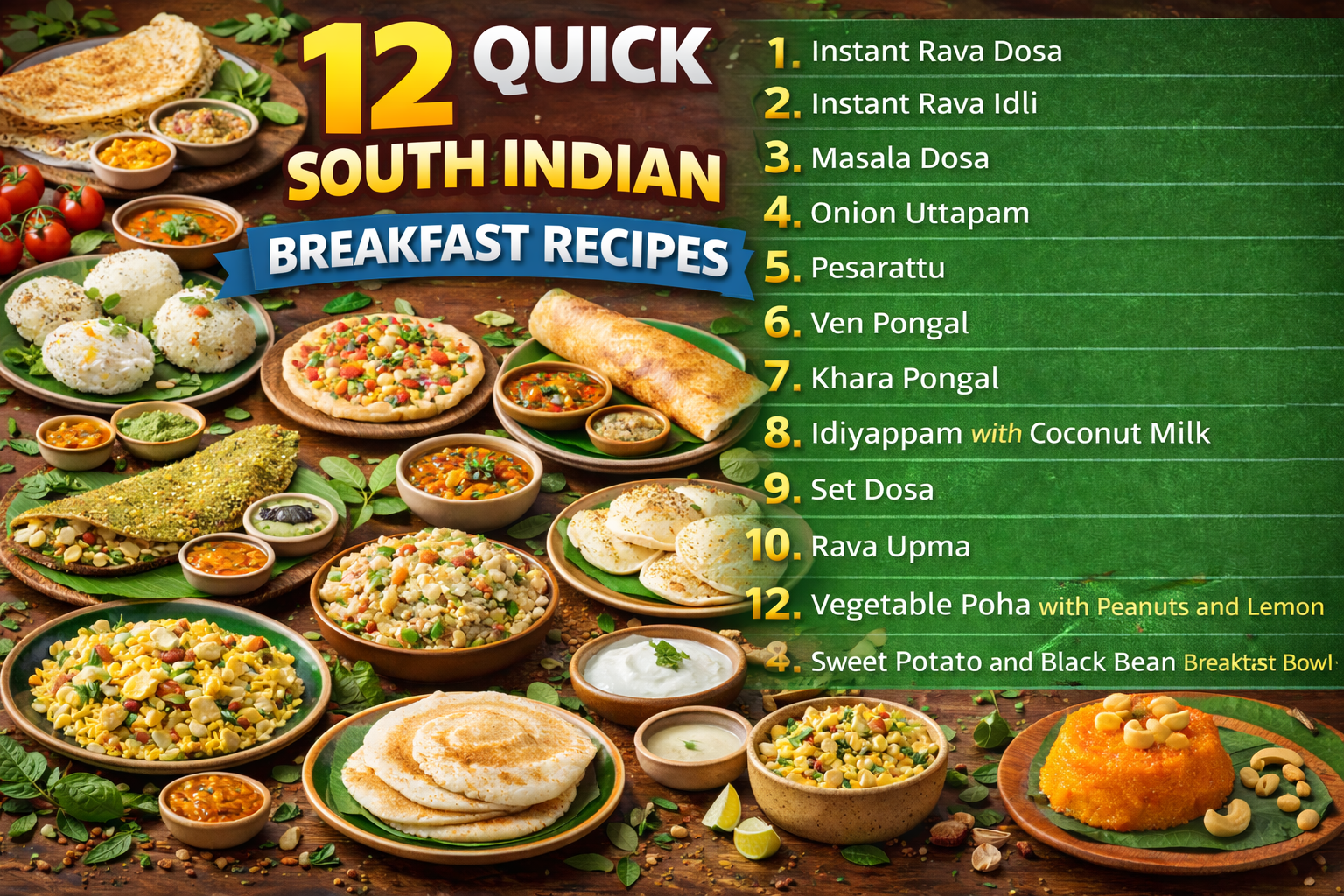
Breakfast recipes south indian vegetarian represent a deeply nutritious, grain-and-legume-based culinary tradition designed to provide sustained morning energy through complex carbohydrates and easily digestible proteins. According to Culinary Institute of America (CIA) Standards, mastering traditional comfort foods requires rigorous attention to fermentation, precise heat management, and the preservation of authentic cellular structures in grains like rice and lentils. Exploring these time-tested preparations allows home cooks to replicate authentic textures—ranging from crisp, lacy dosas to pillow-soft idlis—without relying on modern chemical leaveners. Incorporating these wholesome morning meals into a weekly routine supports digestive wellness while expanding traditional Breakfast Recipes repertoires with globally celebrated vegetarian heritage dishes.
Culinary Prep Snapshot:
- Core Focus: Direct fermentation and proper grinding techniques for south Indian vegetarian morning dishes.
- Target Scope: Traditional home kitchens seeking authentic, nutrient-dense breakfast options.
- Key Recommendation: Maintain ambient fermentation temperatures between 28°C and 32°C for optimal batter rise.
Core Principles and Detailed Overview
Traditional breakfast recipes south indian vegetarian rely fundamentally on the natural wild yeast and lactobacilli present on parboiled rice and urad dal to achieve biological leavening. This slow fermentation process breaks down complex starches and anti-nutrients, resulting in an exceptionally light batter that steams or fries into easily digestible comfort food. Temperature and water-to-grain ratios dictate success; precisely measured soaking periods ensure the starch granules absorb adequate moisture for smooth stone-grinding or high-speed blending. Furthermore, seasoned tempering—known as *tadka* or *popu*—utilizes hot oil to bloom fat-soluble aromatic compounds from mustard seeds, curry leaves, and asafoetida, instantly elevating neutral base ingredients into deeply savory morning classics. Culinary enthusiasts looking for alternative dietary concepts often explore the Vegetarian & Vegan recipe archive for more plant-based meal planning inspiration.
Key Specifications and Breakdown
| Cooking Step / Component | Key Culinary Technique | Chef’s Quality & Food Safety Secret |
|---|---|---|
| Lentil and Rice Soaking | Hydration at room temperature for 4 to 6 hours | Keep water cool during grinding to prevent the motor blade heat from killing natural fermentation yeasts. |
| Batter Fermentation | Anaerobic resting in a draft-free environment | Add uniodized sea salt only after fermentation completes to avoid inhibiting beneficial lactobacilli activity. |
| Aromatic Tempering (Tadka) | Flash-frying spices in high-smoke-point oil | Add curry leaves last to minimize moisture splatter and preserve volatile essential oils without scorching. |
Proper temperature control during grain soaking and batter fermentation prevents unwanted microbial contamination while encouraging optimal lactic acid bacteria growth. — USDA Food Safety and Inspection Service (FSIS)
Step-by-Step Practical Application and Guidelines
Executing breakfast recipes south indian vegetarian successfully demands strict adherence to preparation sequencing, beginning with the meticulous washing and soaking of parboiled rice and split black gram. Grind the drained lentils first until fluffy and aerated, then incorporate the coarsely ground rice to create a cohesive, aerated matrix capable of trapping carbon dioxide during the overnight rest. When cooking items like upma or poha, ensure semolina or flattened rice is properly bloomed with boiling water or thoroughly washed to eliminate excess surface starches that cause gummy textures. Always preheat seasoned cast-iron griddles adequately before spreading fermented batters thin, using clarified butter or high-smoke-point oil around the edges to achieve a uniform golden-brown crunch.
Common Challenges and How to Avoid Them
Batters failing to rise during cold weather represent the most frequent obstacle in traditional South Indian morning cooking, easily remedied by placing the mixing bowl inside an unlit oven with the interior light turned on to generate gentle ambient warmth. Over-grinding lentil batters generates excessive friction heat that denatures proteins, yielding dense, rubbery idlis instead of porous, tender morsels. Sticky dosas tearing on cast-iron surfaces indicate inadequate seasoning or insufficient surface fat; remedy this by rubbing the hot pan with an oiled onion half before pouring each ladle of batter. For bakers interested in expanding their morning repertoire further, the Desserts & Baking collection provides excellent companion concepts for sweet breakfast pastries.
💬 Frequently Asked Questions
Explore More Time-Tested Home Recipes on WillyRecipes
Mastering heritage breakfast fare opens the door to a vast world of traditional home-style cooking techniques designed for wholesome family living. Every recipe featured across the culinary index emphasizes authentic preparation methods, clear ingredient science, and reliable execution. Discover more comforting dishes, traditional baking projects, and regional specialties by exploring the complete culinary guide available directly through WillyRecipes.com.
Recipe Step Photos & Variations