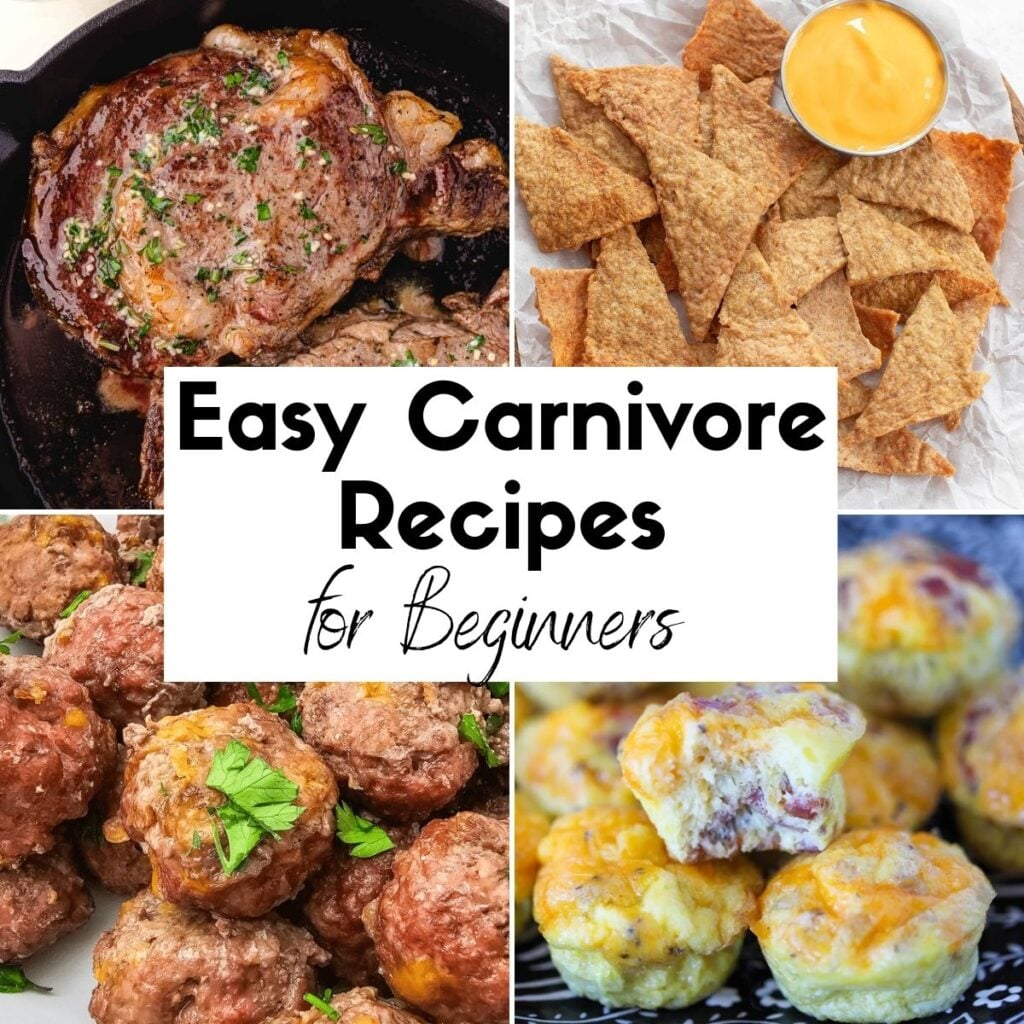
Introduction
The carnivore diet, centered around animal products, has gained popularity for its simplicity and potential health benefits. “Carnivore diet recipes for beginners” often revolve around maximizing flavor and ensuring proper cooking techniques for nutrient retention and safety. This dietary approach emphasizes meat, poultry, fish, and animal fats, excluding all plant-based foods. Understanding how to cook these ingredients properly is key to both enjoyment and success on the carnivore diet.
💡 Recipe Key Takeaways:
- Core Flavor: Easy-to-follow, delicious culinary preparation for Carnivore Diet Recipes For Beginners.
- Target Scope: Quick weeknight family dinners, home cooking, and festive meal planning.
- Chef Tip: Prep all measured ingredients in advance (mise en place) to ensure even cooking and optimal texture.
Ingredients
The core ingredients for “carnivore diet recipes for beginners” include:
- Red Meat: Beef (steak, ground beef, roasts), lamb, bison, venison. Opt for fattier cuts for satiety.
- Poultry: Chicken, turkey, duck. Chicken thighs and drumsticks are often preferred due to their higher fat content.
- Fish: Salmon, sardines, mackerel, tuna, cod. Fatty fish are particularly beneficial due to their omega-3 fatty acids.
- Organ Meats: Liver, kidney, heart. While an acquired taste, organ meats are highly nutritious.
- Eggs: A versatile and readily available source of protein and fat.
- Animal Fats: Tallow, lard, ghee. Used for cooking and adding flavor.
- Bone Broth: Made from simmering animal bones, provides collagen and minerals.
- Salt: Used for seasoning; sea salt or Himalayan pink salt are common choices.
Possible substitutions: For those allergic to beef, lamb or bison can be used as a substitute. For poultry, turkey is a great alternative for chicken. Seafood can be substituted based on preferences and availability.
Preparation Steps
Proper preparation is crucial for both flavor and safety. Here are some key steps:
- Thawing Meat: Always thaw meat safely in the refrigerator, not at room temperature, to prevent bacterial growth.
- Trimming: Trim excess silver skin from steaks and roasts for better texture. Leaving some fat is desirable for flavor and satiety.
- Seasoning: Keep it simple. Salt is the primary seasoning. Experiment with other animal-based seasonings like dried bone marrow or rendered fat infused with herbs (if tolerated).
- Marinating (Optional): While not traditional, meat can be marinated in rendered fats or bone broth for added flavor and moisture.
- Organ Meats: Soaking organ meats in water or milk before cooking can help to reduce their strong flavor.
Tip: Pat meat dry with paper towels before cooking for a better sear.
Cooking Instructions
Here are some common cooking methods for “carnivore diet recipes for beginners”:
-
Pan-Seared Steak:
- Heat a cast-iron skillet over high heat.
- Add tallow or ghee to the skillet.
- Season steak generously with salt.
- Sear for 3-4 minutes per side for medium-rare, adjusting time for desired doneness.
- Use a meat thermometer to ensure the internal temperature reaches 130-135F for medium-rare.
- Let rest for 5-10 minutes before slicing against the grain.
-
Ground Beef:
- Brown ground beef in a skillet over medium-high heat.
- Drain excess fat, if desired.
- Season with salt.
- Cook until no longer pink, about 5-7 minutes.
-
Roasted Chicken:
- Preheat oven to 375F (190C).
- Season whole chicken with salt.
- Place chicken in a roasting pan.
- Roast for 1 hour and 15 minutes, or until the internal temperature reaches 165F (74C) in the thickest part of the thigh.
- Let rest for 10-15 minutes before carving.
-
Grilled Salmon:
- Preheat grill to medium-high heat.
- Season salmon fillets with salt.
- Grill skin-side down for 4-5 minutes, then flip and cook for another 3-4 minutes, or until cooked through.
- The internal temperature should reach 145F (63C).
-
Boiled Eggs:
- Place eggs in a saucepan and cover with cold water.
- Bring to a boil, then remove from heat and cover.
- Let sit for 10-12 minutes for hard-boiled eggs.
- Cool in cold water before peeling.
Serving Suggestions
Serving suggestions for “carnivore diet recipes for beginners” are relatively simple:
- Steak: Serve with rendered tallow or bone marrow on top.
- Ground Beef: Can be served as is or formed into patties.
- Roasted Chicken: Enjoy with pan drippings or bone broth.
- Grilled Salmon: Serve with a dollop of ghee.
- Eggs: Can be eaten hard-boiled, scrambled in tallow, or fried.
- Bone Broth: Drink warm as a beverage or use it as a base for other dishes.
Traditional Accompaniments: Some may include rendered fat, bone marrow, or organ meats alongside the main dish.
Tips and Common Mistakes
Enhance flavor and avoid common pitfalls with these tips:
- Don’t Overcook: Overcooked meat is dry and tough. Use a meat thermometer to ensure optimal doneness.
- Salt Generously: Salt enhances the flavor of meat. Don’t be afraid to use it liberally.
- Use Quality Ingredients: Choose high-quality, grass-fed meat whenever possible.
- Render Fat Properly: Properly rendered tallow and lard are essential for cooking and adding flavor.
- Rest Meat: Allowing meat to rest after cooking allows the juices to redistribute, resulting in a more tender and flavorful product.
- Common Mistake: Not consuming enough fat. Fat is crucial for satiety and energy on the carnivore diet.
Explore More Cooking Guides
Learning “carnivore diet recipes for beginners” can unlock a world of flavorful and satisfying meals centered around simple, wholesome ingredients. Its emphasis on quality animal products not only provides essential nutrients but also offers a unique culinary experience. The recipes highlighted are not only straightforward and quick to prepare but also can adapt to individual preferences and tastes. Embark on this journey of culinary exploration, and savor the rich flavors and nutritional benefits. Start cooking these recipes at home and explore more cooking guides at website.com. Related guide: Copycat Siete Taco Season Mix.
Preparation & Cooking Specifications
| Prep Step | Estimated Time | Chef’s Best Practice |
|---|---|---|
| Mise en Place & Chopping | 10 – 15 Minutes | Keep ingredients uniform for even cooking |
| Active Cooking / Searing | 15 – 25 Minutes | Preheat skillet thoroughly before adding oil |
| Resting & Plating | 5 Minutes | Allow juices to redistribute before slicing |
Images References
Looking for more delicious meal ideas? Explore our tested Special Recipes collection for easy, family-friendly recipes.
Images References