Introduction
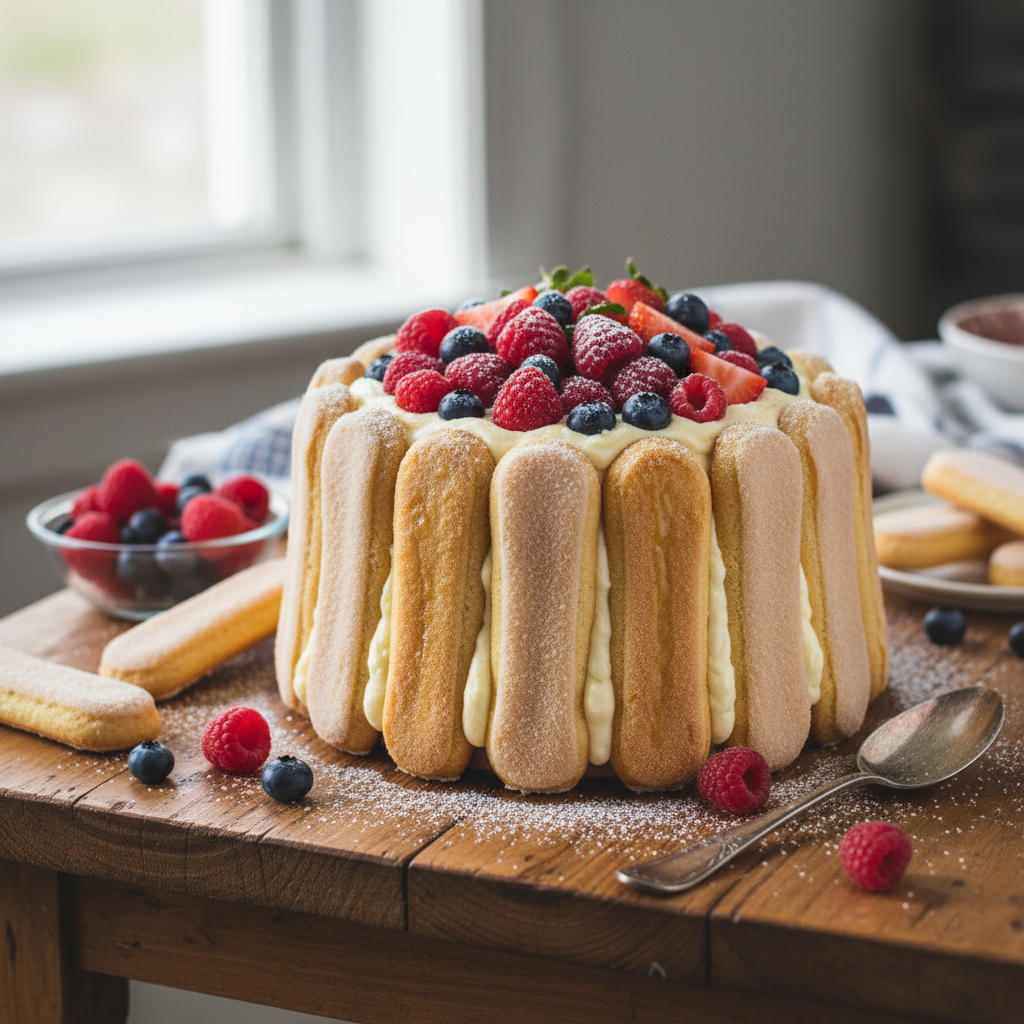
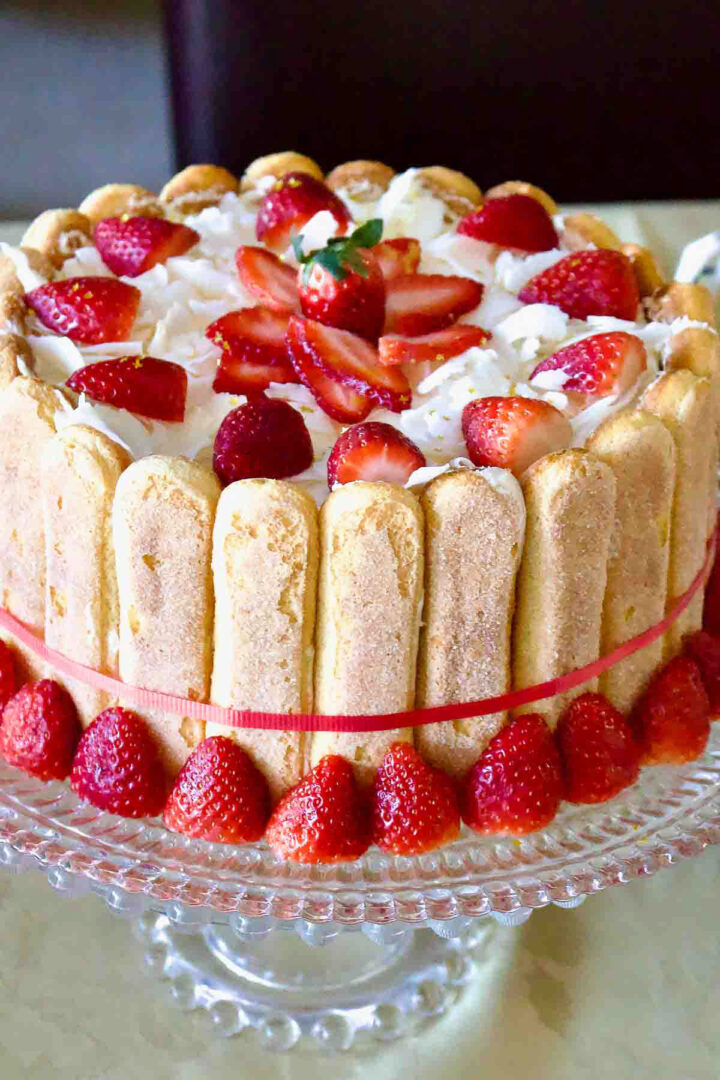
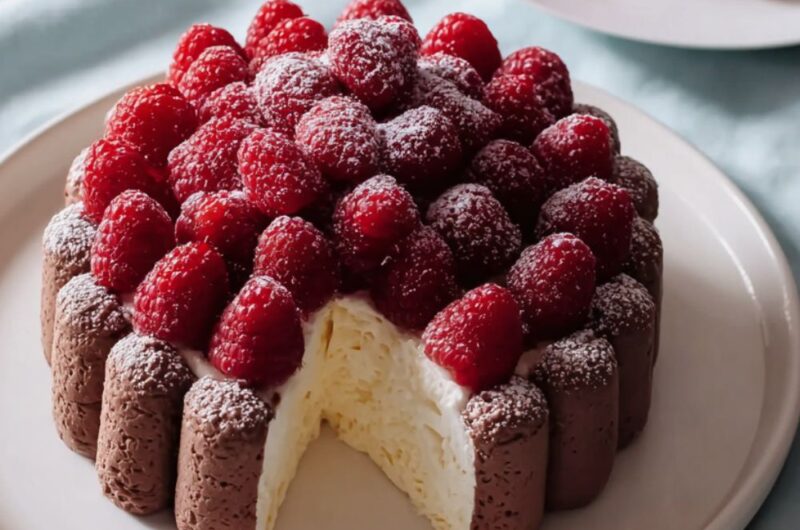
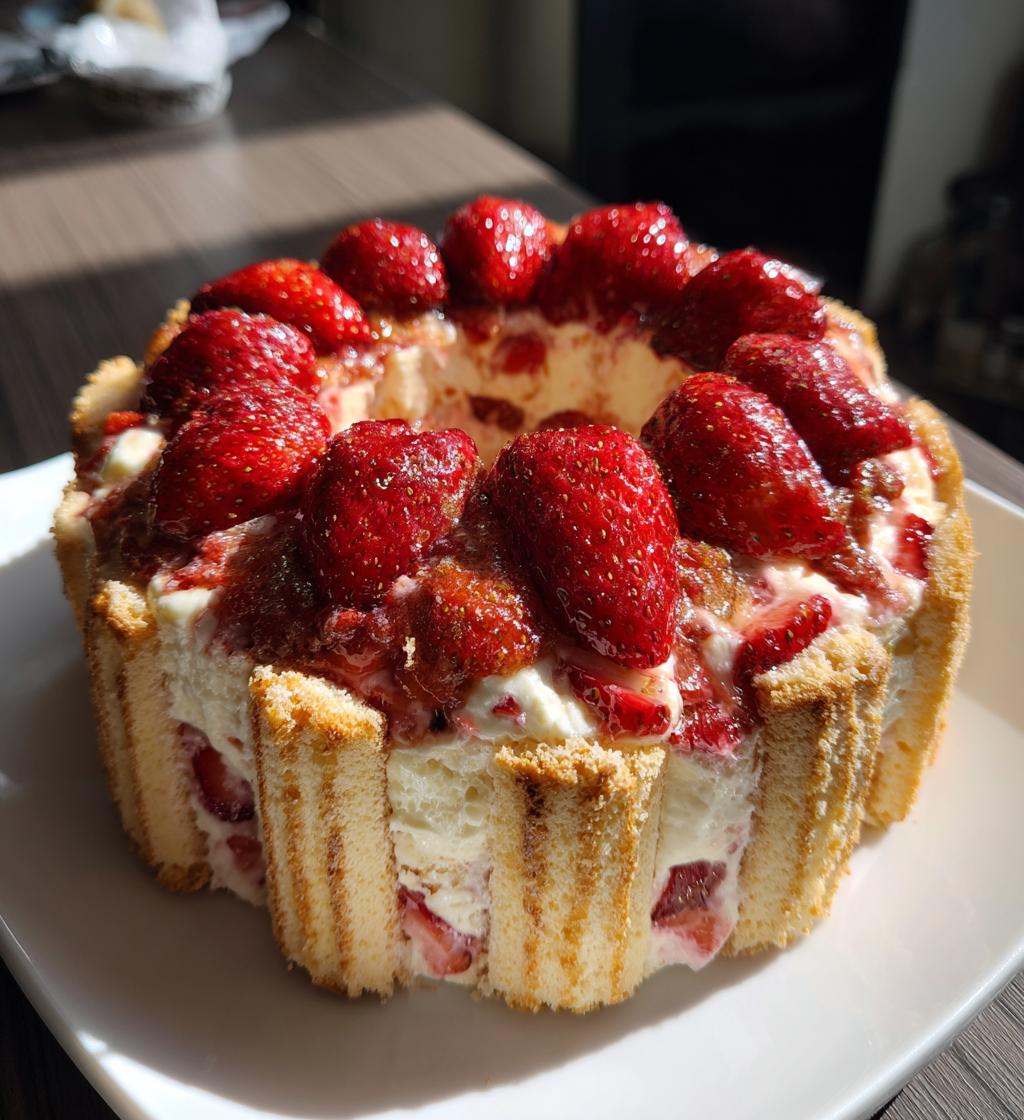
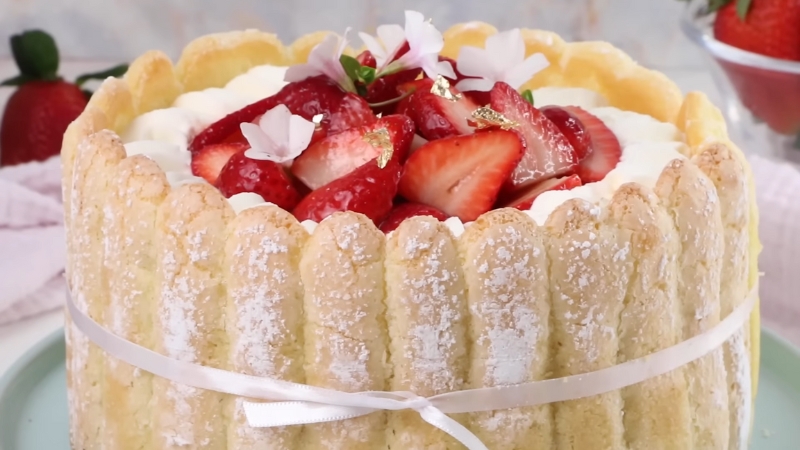
The Charlotte Russe is a classic dessert with a rich history and enduring appeal. Originally a molded dessert involving ladyfingers, Bavarian cream, and often fruit, it has evolved into various regional adaptations. Its popularity stems from its elegant presentation and delightful combination of textures and flavors, making it a staple for special occasions and a treat enjoyed worldwide. Understanding the fundamentals of “charlotte russe recipes” allows for endless creative interpretations.
💡 Recipe Key Takeaways:
- Core Flavor: Easy-to-follow, delicious culinary preparation for Charlotte Russe Recipes.
- Target Scope: Quick weeknight family dinners, home cooking, and festive meal planning.
- Chef Tip: Prep all measured ingredients in advance (mise en place) to ensure even cooking and optimal texture.
Ingredients
The key components of a Charlotte Russe typically include:
- Ladyfingers: These light, sponge-like cookies form the outer shell. Savoiardi biscuits are an acceptable substitute.
- Bavarian Cream: This smooth, creamy filling is made from a custard base (eggs, sugar, milk/cream) thickened with gelatin and lightened with whipped cream. Agar-agar can be used as a vegetarian alternative to gelatin.
- Heavy Cream: Essential for creating the whipped cream that is folded into the Bavarian cream.
- Sugar: Used to sweeten both the Bavarian cream and the whipped cream. Granulated sugar works best.
- Eggs: Yolks contribute richness and body to the custard base of the Bavarian cream.
- Gelatin: Provides structure and stability to the Bavarian cream. Powdered or sheet gelatin are both suitable; follow package instructions for proper hydration.
- Milk/Cream: The liquid base for the custard. Using a higher fat content (cream) will result in a richer flavor and smoother texture.
- Vanilla Extract: Enhances the flavor of the Bavarian cream. Other flavorings like almond extract or citrus zest can also be used.
- Optional Fruits: Fresh berries, such as strawberries, raspberries, or blueberries, can be added to the filling or used as a garnish.
Preparation Steps
Proper preparation is crucial for a successful Charlotte Russe.
- Ladyfingers: If using store-bought ladyfingers, ensure they are fresh and not overly dry. Lightly brush them with a simple syrup (sugar dissolved in water) for added moisture, if desired.
- Gelatin Preparation: Hydrate the gelatin according to package instructions. This typically involves blooming the gelatin in cold water until softened.
- Bavarian Cream Base: In a saucepan, whisk together egg yolks, sugar, and milk/cream. Cook over low heat, stirring constantly, until the mixture thickens slightly and coats the back of a spoon. Be careful not to overheat the mixture, or the eggs will curdle.
- Tempering and Combining: Remove the custard from the heat and stir in the hydrated gelatin until completely dissolved. Strain the mixture through a fine-mesh sieve to remove any lumps. Allow the custard to cool slightly before folding in the whipped cream.
- Whipping Cream: In a separate bowl, whip the heavy cream with sugar until soft peaks form. Do not overwhip, as this will result in a grainy texture.
Cooking Instructions
While there is no traditional “cooking” involved in the classic Charlotte Russe in the sense of baking or frying, precise temperature control is vital for the custard base. The following steps outline the process:. Related guide: Nui Xao Bo Recipe.
- Constructing the Dessert: Line the inside of a round bowl or mold with ladyfingers, arranging them vertically around the edges. The ladyfingers should be closely packed together to prevent the filling from leaking out.
- Assembling the Layers: Gently fold the whipped cream into the cooled Bavarian cream base. If using fruit, fold it in at this stage.
- Filling the Mold: Pour the Bavarian cream mixture into the ladyfinger-lined mold, filling it to the top.
- Chilling: Cover the mold with plastic wrap and refrigerate for at least 4-6 hours, or preferably overnight, to allow the Bavarian cream to set completely. The chilling process is crucial for the Charlotte Russe to hold its shape and achieve the desired texture.
- Inverting and Serving: To unmold the Charlotte Russe, run a thin knife around the edge of the mold. Invert the mold onto a serving plate. If the dessert doesn’t release easily, dip the bottom of the mold briefly in warm water.
Serving Suggestions
The Charlotte Russe is best served chilled. Consider these serving suggestions:
- Garnish: Top with fresh berries, whipped cream rosettes, or a dusting of powdered sugar.
- Sauces: Drizzle with a fruit sauce, such as raspberry coulis or strawberry sauce.
- Accompaniments: Serve alongside a cup of coffee or tea.
- Variations: Create individual Charlotte Russe desserts by using small ramekins or glasses instead of a large mold.
Tips and Common Mistakes
Avoid these common mistakes for a perfect Charlotte Russe:
- Overheating the Custard: Cooking the custard base over too high of heat will cause the eggs to curdle, resulting in a lumpy texture. Use low heat and stir constantly.
- Not Hydrating Gelatin Properly: Improperly hydrated gelatin will not dissolve completely and can result in a grainy texture. Follow package instructions carefully.
- Overwhipping Cream: Overwhipped cream will become grainy and difficult to fold into the Bavarian cream. Whip until soft peaks form.
- Insufficient Chilling Time: Not chilling the Charlotte Russe for long enough will prevent the Bavarian cream from setting properly, resulting in a soft and unstable dessert.
- Using Dry Ladyfingers: Dry ladyfingers will absorb too much moisture from the Bavarian cream and become soggy. Lightly brush them with simple syrup if needed.
Explore More Cooking Guides
Mastering “charlotte russe recipes” opens a door to a world of elegant and delicious desserts. This classic treat combines delicate flavors, beautiful presentation, and satisfying textures, making it a perfect choice for any celebration. By understanding the principles of Bavarian cream and ladyfinger construction, home cooks can create a stunning dessert that is sure to impress. Embrace the tradition and versatility of the Charlotte Russe, adapting it to your own preferences and occasions. Ready to create your own culinary masterpiece? Explore more delightful dessert recipes and expert cooking tips at website.com.
Preparation & Cooking Specifications
| Prep Step | Estimated Time | Chef’s Best Practice |
|---|---|---|
| Mise en Place & Chopping | 10 – 15 Minutes | Keep ingredients uniform for even cooking |
| Active Cooking / Searing | 15 – 25 Minutes | Preheat skillet thoroughly before adding oil |
| Resting & Plating | 5 Minutes | Allow juices to redistribute before slicing |
Images References
Looking for more delicious meal ideas? Explore our tested Special Recipes collection for easy, family-friendly recipes.
Images References