Introduction
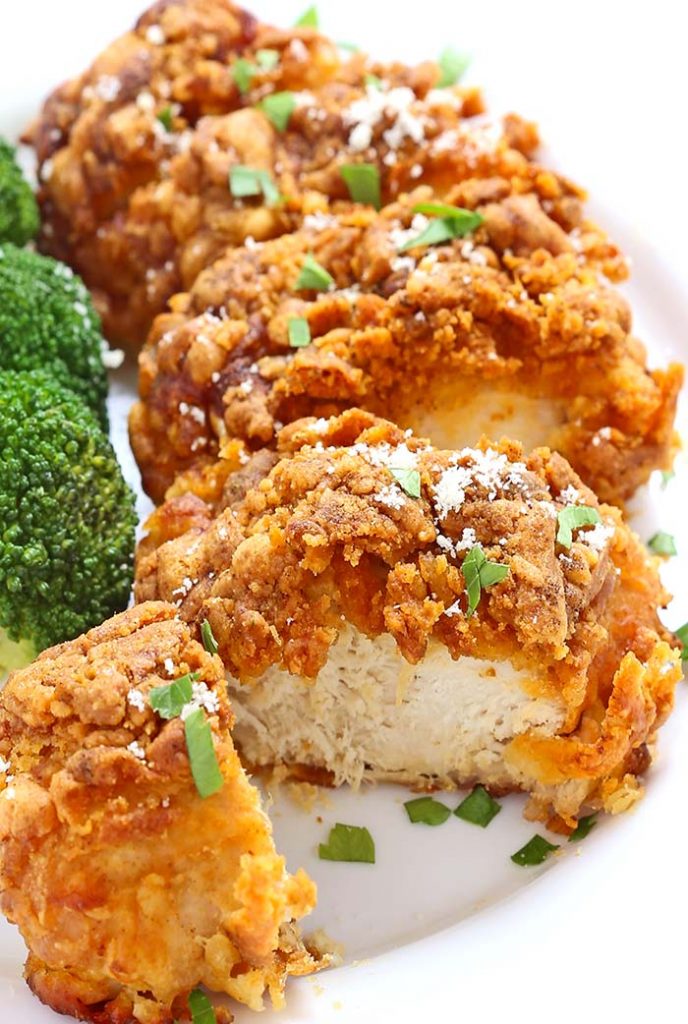
Achieving golden, crispy comfort food without heavy oil immersion is entirely possible through modern convection techniques adapted for home kitchens. According to the USDA Food Safety and Inspection Service (FSIS), poultry must always reach an internal temperature of 165 degrees Fahrenheit to ensure complete safety while maintaining optimal tenderness. Mastering chicken recipes air fryer healthy bridges the gap between traditional family favorites and modern dietary mindfulness, utilizing rapid hot air circulation to render natural fats efficiently. Exploring collections like Chicken Recipes reveals timeless preparation methods that honor classic flavors without excess grease. Traditional home-style cooking relies on time-tested seasoning blends, proper dry brining, and precise thermal control to guarantee moist meat beneath a shatteringly crisp exterior. Modern countertop appliances accelerate traditional roasting times by concentrating heat, making wholesome family dinners both accessible and deeply satisfying on busy weeknights.
Culinary Prep Snapshot:
- Core Focus: Utilizing convection heat to deliver crispy, low-fat poultry dishes.
- Target Scope: Everyday home cooks and traditional comfort food enthusiasts.
- Key Recommendation: Always preheat the heating chamber and dry the poultry skin completely before seasoning.
Core Principles and Detailed Overview
Maximizing flavor and crispness in low-fat poultry preparation depends upon understanding thermodynamic principles inside a compact cooking chamber. Direct answer: Rapid thermal air circulation mimics traditional deep-frying by vaporizing surface moisture instantly through powerful convection fans. Selecting the correct cut dictates cooking duration and seasoning strategy; bone-in portions require longer exposure at moderate temperatures, whereas thin cutlets demand high heat for short intervals. Brining with a simple salt and herb solution locks in natural juices, preventing the lean protein from drying out during high-heat convection. Furthermore, utilizing high-smoke-point oils sparingly—such as avocado or grapeseed oil—activates the Maillard reaction, yielding that coveted golden-brown crust reminiscent of old-fashioned cast-iron skillets. Home cooks can also incorporate techniques found in Cooking Methods & Appliances to refine heat application across various culinary tasks.
Key Specifications and Breakdown
| Cooking Step / Component | Key Culinary Technique | Chef’s Quality & Food Safety Secret |
|---|---|---|
| Surface Preparation | Thorough pat-drying with paper towels | Removing surface moisture guarantees immediate crisping upon heat contact. |
| Thermal Application | Preheating the basket to 400°F | Prevents sticking and initiates instant protein searing for juice retention. |
| Internal Doneness | Instant-read thermometer verification | Verifying 165°F at the thickest dense muscle prevents overcooking. |
Poultry must achieve a minimum internal temperature of 165°F (74°C) measured with a food thermometer in the thickest part of the meat to ensure safety against foodborne pathogens. — USDA Food Safety and Inspection Service (FSIS)
Step-by-Step Practical Application and Guidelines
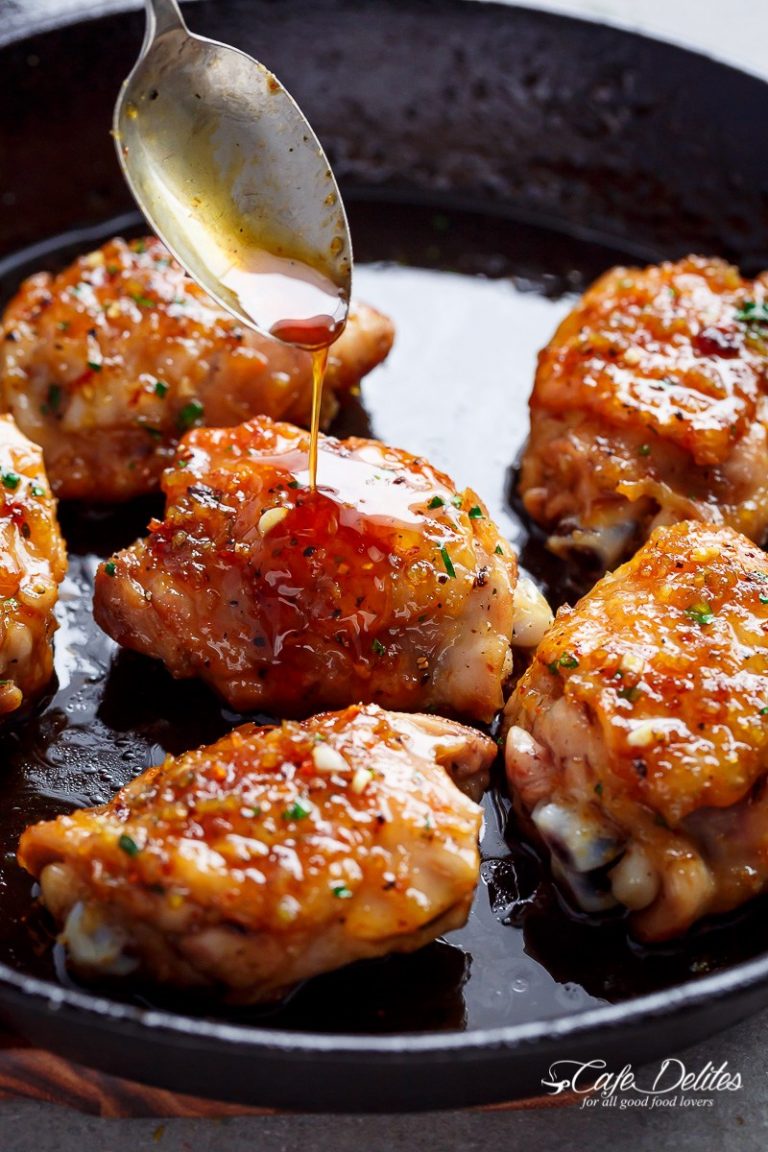
Executing wholesome convection-roasted poultry successfully requires a methodical sequence of preparation, seasoning, and thermal management. Direct answer: Begin by patting the protein completely dry, applying a light mist of high-smoke oil, and coating evenly with traditional paprika, garlic powder, and coarse sea salt. Arrange the pieces in a single layer within the basket, ensuring adequate space between each item to permit unobstructed airflow. Overcrowding traps steam, resulting in a rubbery texture rather than the desired traditional crunch. Cook at the recommended temperature, shaking or flipping the pieces halfway through the cycle to promote even browning. Rest the finished meat for five minutes before slicing to allow internal juices to redistribute evenly throughout the muscle fibers.
Common Challenges and How to Avoid Them
Preventing common culinary missteps ensures consistently superior results when preparing wholesome low-fat roasted meals. Direct answer: Sticking, uneven browning, and dry meat typically stem from skipping the preheating phase, overcrowding the basket, or omitting surface oil. To eliminate sticking, lightly grease the rack with an oil mister rather than aerosol cooking sprays, which contain propellants that can damage non-stick coatings over time. If the exterior darkens too quickly before the interior reaches doneness, reduce the temperature by 25 degrees and extend the cooking duration slightly. Pairing these entrees with fresh options from Snacks & Sides rounds out a balanced, comforting family menu.
💬 Frequently Asked Questions
Explore More Time-Tested Home Recipes on WillyRecipes
Continuing culinary exploration with traditional, comforting meals becomes effortless when utilizing curated kitchen resources. Discover hundreds of dependable family dishes, from hearty comfort foods to wholesome weekday dinners, by visiting the main index at WillyRecipes.com for expert guidance and culinary inspiration.
Recipe Step Photos & Variations