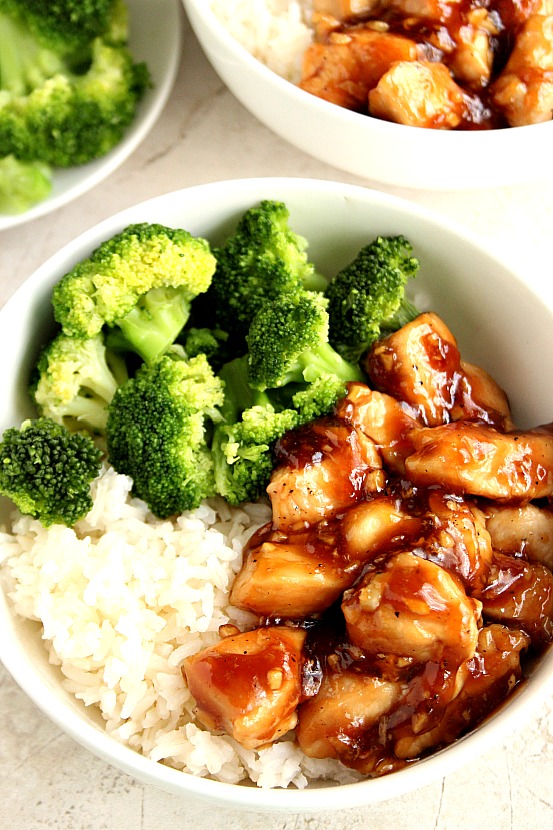
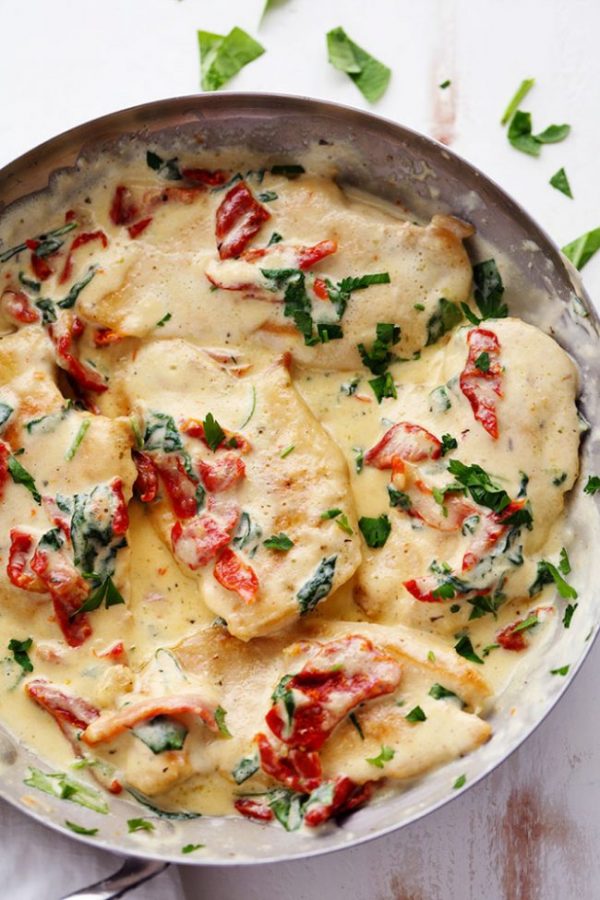
Introduction
Traditional comfort food preparation relies on transforming lean poultry into succulent, deeply flavorful meals using time-tested culinary methods. Chicken recipes boneless breast serve as the foundation for classic home-style dinners, offering incredible versatility when treated with proper moisture-retention techniques. According to the USDA Food Safety and Inspection Service (FSIS), whole muscle poultry must reach a minimum internal temperature of 165 degrees Fahrenheit to guarantee complete food safety while maintaining optimal tenderness. Incorporating foundational techniques from professional kitchens ensures everyday home cooks achieve restaurant-quality results, elevating simple pantry staples into extraordinary family feasts. Exploring traditional Chicken Recipes unlocks a vast repertoire of heritage cooking methods designed to maximize flavor and texture across diverse culinary styles.
Culinary Prep Snapshot:
- Core Focus: Mastering moist, flavorful preparation of boneless chicken breast cuts.
- Target Scope: Traditional home-style comfort food recipes and daily family meal planning.
- Key Recommendation: Utilize light brining or gentle pan-searing followed by pan sauces to prevent dryness.
Core Principles and Detailed Overview
Mastering chicken recipes boneless breast requires understanding meat science, specifically how lean muscle fibers contract and squeeze out natural moisture under high heat. Because boneless breasts contain minimal intramuscular fat, they dry out rapidly if subjected to aggressive cooking temperatures without protective barriers like flour dredging, breadcrumb crusts, or rich pan gravies. Traditional home cooking harnesses methods such as braising, pan-frying with pan sauces, and gentle baking in rich casseroles to reintroduce moisture and build complex, savory depth. Culinary Institute of America (CIA) standards emphasize that uniform thickness is vital for even cooking, which prevents outer edges from overcooking while the center remains raw. Pairing these lean cuts with robust ingredients found throughout traditional Soups & Casseroles guarantees comforting, satisfying results every single time.
Key Specifications and Breakdown
| Cooking Step / Component | Key Culinary Technique | Chef’s Quality & Food Safety Secret |
|---|---|---|
| Preparation and Sizing | Pounding to even thickness | Ensures uniform cooking times and prevents dry exterior edges. |
| Moisture Preservation | Sub-boil simmering or light brining | Dissolves tough muscle proteins to lock in natural juices. |
| Thermal Completion | Instant-read digital thermometer verification | Remove heat immediately at 165°F to eliminate pathogenic risk without overcooking. |
Poultry must achieve a verified minimum internal temperature of 165 degrees Fahrenheit at the thickest part of the meat to guarantee safety. — USDA Food Safety and Inspection Service (FSIS)
Step-by-Step Practical Application and Guidelines
Executing traditional chicken recipes boneless breast begins with thorough patting of the meat to remove excess surface moisture, which guarantees a superior golden-brown sear. Seasoning generously with coarse salt, cracked black pepper, and traditional herbs like dried sage or thyme 30 minutes prior to cooking allows deep flavor penetration through osmosis. Sear the cutlets in a heavy cast-iron skillet using a combination of clarified butter and neutral oil over medium-high heat for approximately four to five minutes per side until deeply golden. Deglace the hot pan with low-sodium chicken stock, heavy cream, or dry white wine to lift the caramelized fond, creating an instant pan sauce that coats the meat. Allow the cooked poultry to rest undisturbed on a warm cutting board for five minutes before slicing, letting the internal juices redistribute evenly throughout the muscle fibers.
Common Challenges and How to Avoid Them
Dry, stringy texture represents the single most frequent obstacle encountered when preparing lean poultry cuts in home kitchens. Avoid high-heat roasting without fat insulation or pan-frying past the recommended temperature threshold, as residual heat causes rapid moisture loss. Uneven thickness likewise leads to scorched narrow tips while thick centers remain underdone, a problem easily solved by utilizing a meat mallet between sheets of parchment paper prior to seasoning. Overcrowding the skillet drops pan temperature rapidly, resulting in steaming rather than browning; always cook cutlets in manageable batches to maintain optimal thermal energy across the cooking surface.
💬 Frequently Asked Questions
Explore More Time-Tested Home Recipes on WillyRecipes
Discover additional classic comfort food ideas, heritage baking techniques, and hearty family meals by exploring the complete collection available at WillyRecipes.com. Elevate everyday home cooking with traditional favorites spanning Pasta & Rice Recipes, wholesome farmhouse sides, and time-tested culinary wisdom.
Recipe Step Photos & Variations