Introduction
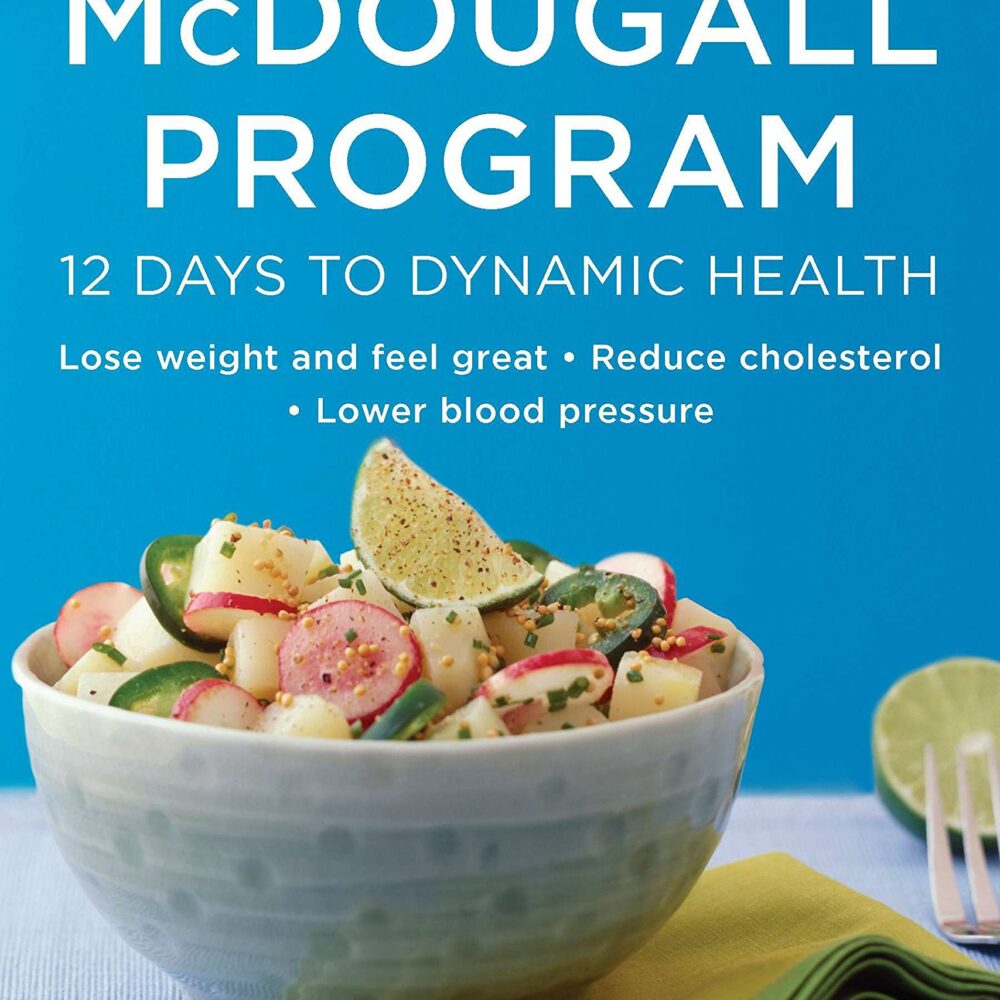
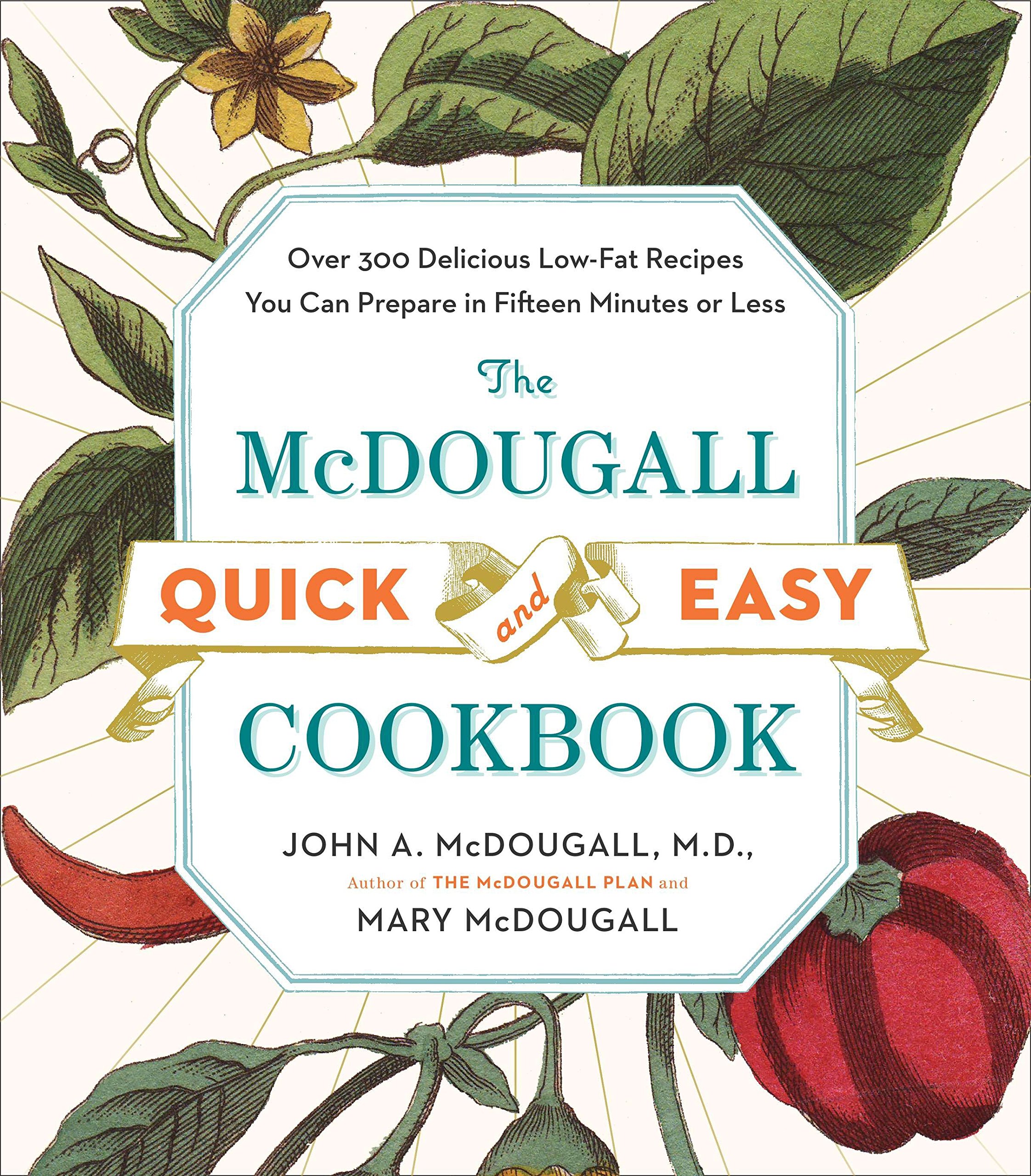
The focus on “Dr. McDougall recipes” stems from a dietary approach emphasizing whole, plant-based foods, typically low in fat, salt, and added sugar. Dr. John McDougall, a physician and nutrition expert, advocates for a starch-based diet for optimal health and weight management. His recipes are popular among those seeking to improve their health, lose weight, or adopt a vegan or vegetarian lifestyle. These recipes are commonly cooked because they are perceived as simple, affordable, and conducive to long-term health.
💡 Recipe Key Takeaways:
- Core Flavor: Easy-to-follow, delicious culinary preparation for Dr Mcdougall Recipes.
- Target Scope: Quick weeknight family dinners, home cooking, and festive meal planning.
- Chef Tip: Prep all measured ingredients in advance (mise en place) to ensure even cooking and optimal texture.
Ingredients
The cornerstone of Dr. McDougall’s recipes often includes:
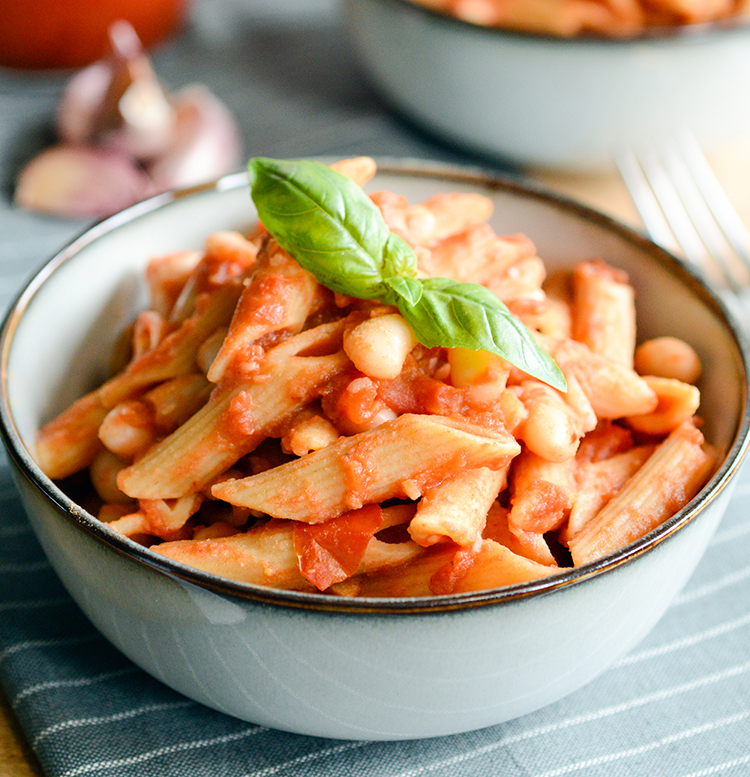
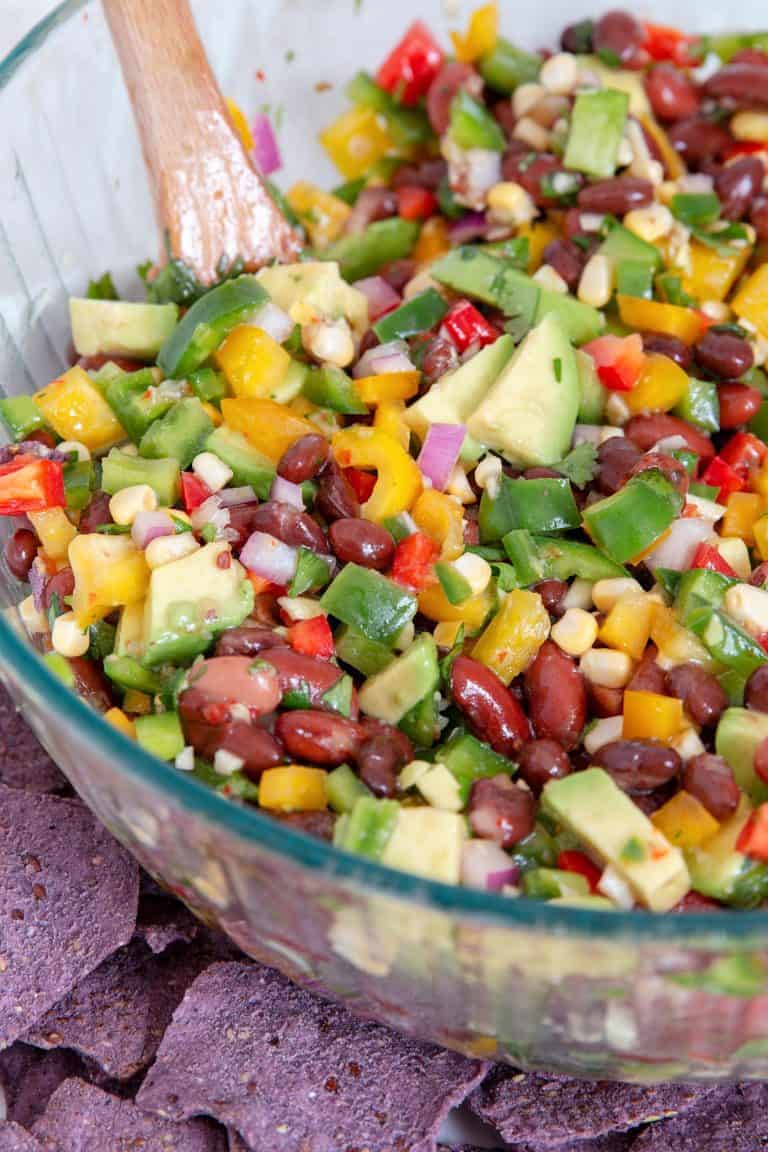
- Starchy Vegetables: Potatoes (russet, red, sweet), rice (brown, white), corn, beans (kidney, black, pinto), lentils, quinoa, oats.
- Non-Starchy Vegetables: Broccoli, spinach, kale, carrots, peppers, onions, garlic, tomatoes.
- Fruits: Apples, bananas, berries, oranges.
- Herbs and Spices: Vary depending on the recipe; common choices include basil, oregano, cumin, chili powder, turmeric.
- Liquids: Water, vegetable broth (low-sodium), tomato sauce.
Substitutions are possible depending on individual preferences and dietary needs. For example, brown rice can be replaced with quinoa or barley, and different types of beans can be interchanged. Experiment with spices to adjust the flavor profile.
Preparation Steps
Proper preparation is essential for successful Dr. McDougall recipes.
- Washing: Thoroughly wash all vegetables and fruits under cold running water. This removes dirt, pesticides, and bacteria.
- Chopping: Chop vegetables into evenly sized pieces for uniform cooking. Dicing, slicing, or chopping depends on the specific recipe requirements.
- Rinsing: Rinse beans and lentils before cooking to remove any debris and reduce gas production.
- Soaking (for Beans): Soaking dried beans overnight or using a quick-soak method (boiling for a few minutes, then letting them sit for an hour) reduces cooking time and improves digestibility.
- Seasoning: Prepare spice blends in advance for efficiency. Toasting spices briefly in a dry pan before grinding can enhance their flavor.
For efficiency, chop vegetables in bulk and store them in airtight containers in the refrigerator. Preparing a larger batch of grains or beans at the beginning of the week can also save time.
Cooking Instructions
Cooking methods vary depending on the specific Dr. McDougall recipe. Here are some common techniques:
-
Boiling/Simmering: Used for cooking grains, beans, and starchy vegetables. Bring water or broth to a boil, then reduce heat to a simmer.
- Beans: Simmer for 1-2 hours, or until tender. Pressure cooking significantly reduces cooking time (about 20-30 minutes).
- Rice: Simmer for 45-50 minutes for brown rice, 15-20 minutes for white rice.
- Potatoes: Boil until tender, about 15-20 minutes.
- Steaming: An excellent method for retaining nutrients in vegetables. Steam for 5-10 minutes, or until tender-crisp.
- Sauting: Used for cooking onions, garlic, and other vegetables in a small amount of water or broth (oil-free sauting). Saut over medium heat until softened.
- Baking: Suitable for potatoes, sweet potatoes, and casseroles. Bake at 350F (175C) until tender, typically 45-60 minutes for potatoes.
- Pressure Cooking: A fast method for cooking beans, grains, and vegetables. Refer to the pressure cooker’s instructions for specific cooking times.
Always monitor cooking progress and adjust timing as needed. Test doneness by piercing vegetables with a fork or tasting for desired texture.
Serving Suggestions
Dr. McDougall recipes can be served in various ways:
- As a main course: Bean stews, lentil soups, and vegetable casseroles are satisfying main dishes.
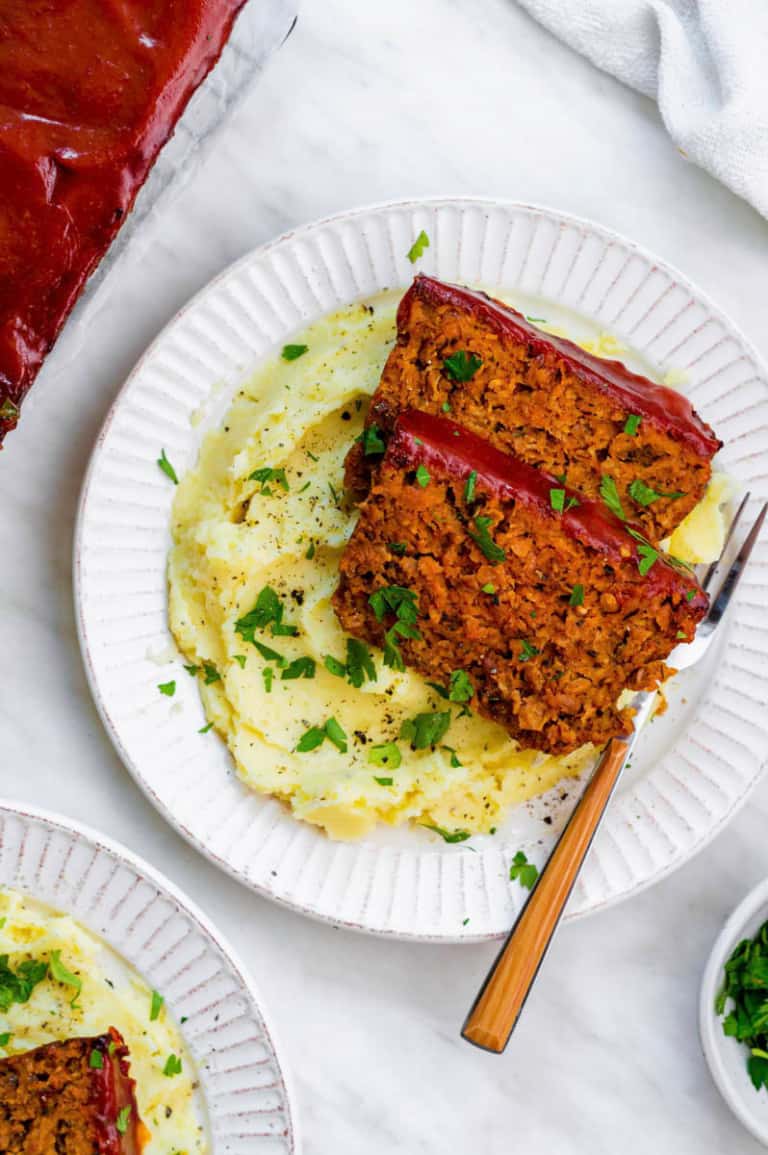
- As a side dish: Steamed vegetables, baked potatoes, or rice can complement other dishes.
- In bowls: Combine grains, beans, and vegetables in a bowl and top with salsa or a simple sauce.
- In wraps: Fill whole-wheat tortillas with beans, rice, and vegetables for a quick and easy meal.
Consider these traditional accompaniments:
- Salsa: Adds flavor and freshness to many dishes.
- Avocado: Provides healthy fats (in moderation).
- Hot sauce: For those who enjoy a spicy kick.
- Garnishes: Fresh herbs like cilantro or parsley add visual appeal.
Plating ideas: Arrange food artfully on the plate to enhance the dining experience. Use contrasting colors and textures to create visual interest.
Tips and Common Mistakes
Enhance flavor and avoid common pitfalls with these tips:
- Use high-quality ingredients: Fresh, seasonal produce will always taste best.
- Don’t overcook vegetables: Overcooked vegetables can become mushy and lose nutrients.
- Season generously: Dr. McDougall’s recipes typically avoid salt, so experiment with herbs, spices, and lemon juice to add flavor.
- Be mindful of portion sizes: While these recipes are healthy, overeating can still lead to weight gain.
- Hydrate well: Drink plenty of water throughout the day, especially when consuming high-fiber foods.
Common mistakes to avoid:
- Using too much oil: Dr. McDougall’s approach emphasizes oil-free cooking.
- Over-relying on processed foods: Focus on whole, unprocessed ingredients.
- Not soaking beans properly: Soaking reduces cooking time and improves digestibility.
- Ignoring cooking times: Monitor food closely and adjust cooking times as needed.
Explore More Cooking Guides
Learning “Dr. McDougall recipes” empowers individuals to create delicious and healthful meals that align with a plant-based, starch-centered dietary approach. Its focus on simplicity, affordability, and health benefits makes it a practical choice for many. The recipes can be easily adapted to different tastes and occasions, allowing for culinary creativity and personal expression. Embark on this culinary journey by trying these recipes at home and discovering the world of flavorful, plant-based cooking. For more inspiration and detailed guides, explore additional resources at website.com. Related guide: Copycat Siete Taco Season Mix.
Preparation & Cooking Specifications
| Prep Step | Estimated Time | Chef’s Best Practice |
|---|---|---|
| Mise en Place & Chopping | 10 – 15 Minutes | Keep ingredients uniform for even cooking |
| Active Cooking / Searing | 15 – 25 Minutes | Preheat skillet thoroughly before adding oil |
| Resting & Plating | 5 Minutes | Allow juices to redistribute before slicing |
Images References
Looking for more delicious meal ideas? Explore our tested Special Recipes collection for easy, family-friendly recipes.
Images References