Introduction
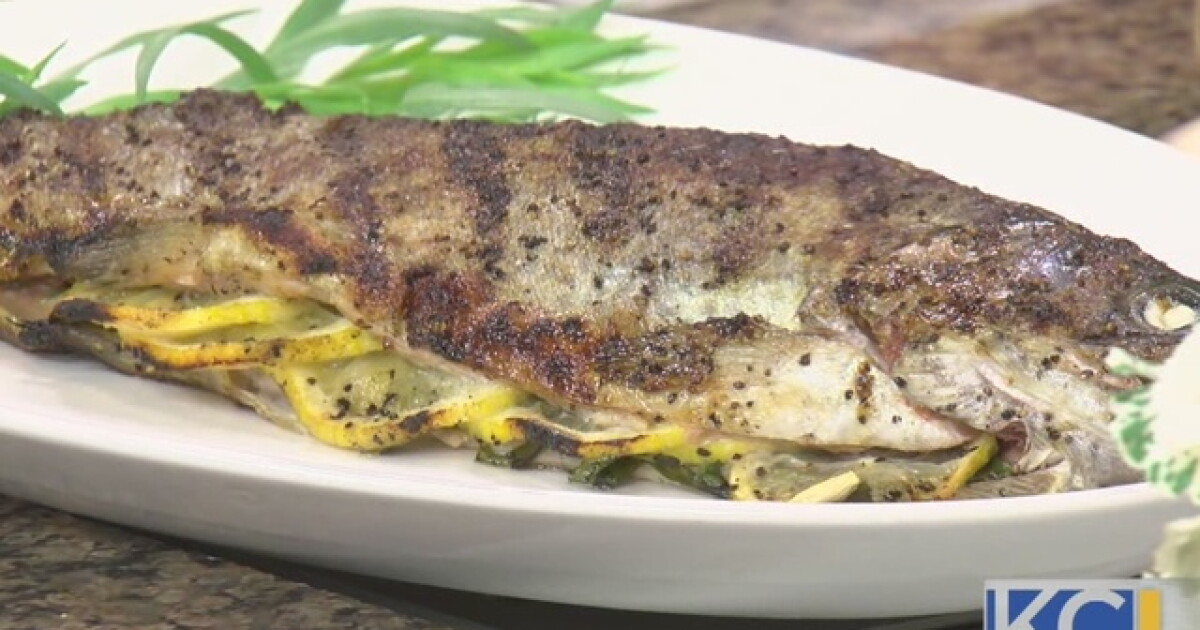
Faroe Island salmon, renowned for its exceptional quality and flavor, is a culinary treasure. Raised in the pristine, icy waters of the North Atlantic, this salmon boasts a rich, buttery taste and firm texture, making it a favorite among chefs and home cooks alike. The popularity of Faroe Island salmon recipes stems from the fish’s inherent deliciousness and versatility, lending itself beautifully to various cooking methods and flavor profiles. It transforms effortlessly into simple weeknight meals or elegant dinner party centerpieces.
💡 Recipe Key Takeaways:
- Core Flavor: Easy-to-follow, delicious culinary preparation for Faroe Island Salmon Recipes.
- Target Scope: Quick weeknight family dinners, home cooking, and festive meal planning.
- Chef Tip: Prep all measured ingredients in advance (mise en place) to ensure even cooking and optimal texture.
Ingredients
The beauty of Faroe Island salmon recipes lies in their simplicity. A few high-quality ingredients can highlight the salmon’s natural flavor. The core ingredients include Faroe Island salmon fillets (skin on or off, depending on preference), olive oil or butter, salt, pepper, and lemon. For added flavor, consider fresh herbs like dill, parsley, or thyme; garlic; or a touch of Dijon mustard. Substitutions are minimal, but other types of high-quality salmon can be used, though the taste may differ slightly. Experiment with different herbs and spices to personalize the dish. Related guide: How Do You Cook Mutton Snapper.
Preparation Steps
Proper preparation is key to achieving perfectly cooked Faroe Island salmon. Begin by rinsing the salmon fillets under cold water and patting them dry with paper towels. This removes excess moisture and helps achieve a crispy skin, if cooking skin-on. Check for any remaining pin bones and remove them with tweezers. Season the salmon generously with salt and pepper. For a deeper flavor, consider marinating the salmon for 30 minutes to an hour in a mixture of olive oil, lemon juice, minced garlic, and your chosen herbs. Allow the salmon to come to room temperature for about 15-20 minutes before cooking to ensure even cooking.
Cooking Instructions
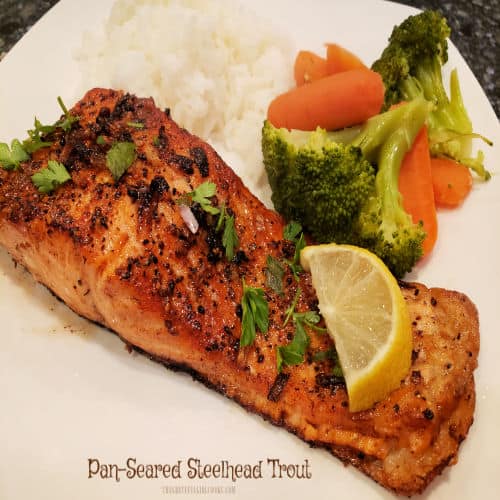
Faroe Island salmon can be cooked using various methods, each yielding slightly different results. Baking: Preheat the oven to 400F (200C). Place the salmon fillets on a baking sheet lined with parchment paper or lightly oiled foil. Drizzle with olive oil or melted butter and bake for 12-15 minutes, or until the salmon is cooked through and flakes easily with a fork. Pan-Searing: Heat a tablespoon of olive oil or butter in a skillet over medium-high heat. Place the salmon fillets skin-side down (if using skin-on) in the hot skillet. Sear for 4-5 minutes, or until the skin is crispy and golden brown. Flip the salmon and cook for another 3-4 minutes, or until cooked through. Grilling: Preheat the grill to medium-high heat. Lightly oil the grill grates. Place the salmon fillets on the grill, skin-side down (if using skin-on). Grill for 4-6 minutes per side, or until the salmon is cooked through. Poaching: In a large pan, bring water or fish stock to a simmer. Add aromatics such as lemon slices, herbs, or peppercorns. Gently lower the salmon fillets into the simmering liquid. Poach for 8-10 minutes, or until the salmon is cooked through. Internal temperature of the cooked salmon should reach 145F (63C).
Serving Suggestions
Faroe Island salmon pairs beautifully with a wide range of accompaniments. Serve baked or grilled salmon with roasted vegetables like asparagus, broccoli, or Brussels sprouts. Pan-seared salmon is delicious with a creamy lemon-dill sauce and mashed potatoes or quinoa. Poached salmon can be served cold in salads or sandwiches. Traditional accompaniments include a squeeze of fresh lemon juice, a sprinkle of fresh herbs, or a dollop of crme frache. Consider serving with a crisp white wine or a light-bodied red wine.
Tips and Common Mistakes
To elevate the flavor and texture of Faroe Island salmon, keep the following tips in mind: Do not overcook the salmon. Overcooked salmon is dry and tough. Use a fork to check for doneness; the salmon should flake easily and be opaque throughout. Use high-quality ingredients. The superior quality of Faroe Island salmon deserves equally high-quality ingredients. Don’t overcrowd the pan when pan-searing. This will lower the temperature of the pan and prevent the salmon from browning properly. Let the salmon rest for a few minutes after cooking. This allows the juices to redistribute, resulting in a more tender and flavorful fish. Use a meat thermometer for precise cooking. Be careful with salt. Seasoning enhances flavor, but too much can ruin the natural taste of the fish. Common mistakes include overcooking, under-seasoning, and using low-quality ingredients.
Explore More Cooking Guides
Learning to cook Faroe Island salmon recipes unlocks a world of culinary possibilities. Its exquisite flavor and versatility make it a prized ingredient for both everyday meals and special occasions. This guide offers a solid foundation for mastering this culinary gem, adaptable to various tastes and cooking styles. Embrace the opportunity to impress family and friends with your newfound skills. Visit website.com for more expert cooking guides and delicious recipes. Experiment with these techniques and discover the joy of creating amazing salmon dishes at home.
Preparation & Cooking Specifications
| Prep Step | Estimated Time | Chef’s Best Practice |
|---|---|---|
| Mise en Place & Chopping | 10 – 15 Minutes | Keep ingredients uniform for even cooking |
| Active Cooking / Searing | 15 – 25 Minutes | Preheat skillet thoroughly before adding oil |
| Resting & Plating | 5 Minutes | Allow juices to redistribute before slicing |
Images References
Looking for more delicious meal ideas? Explore our tested Seafood Recipes collection for easy, family-friendly recipes.