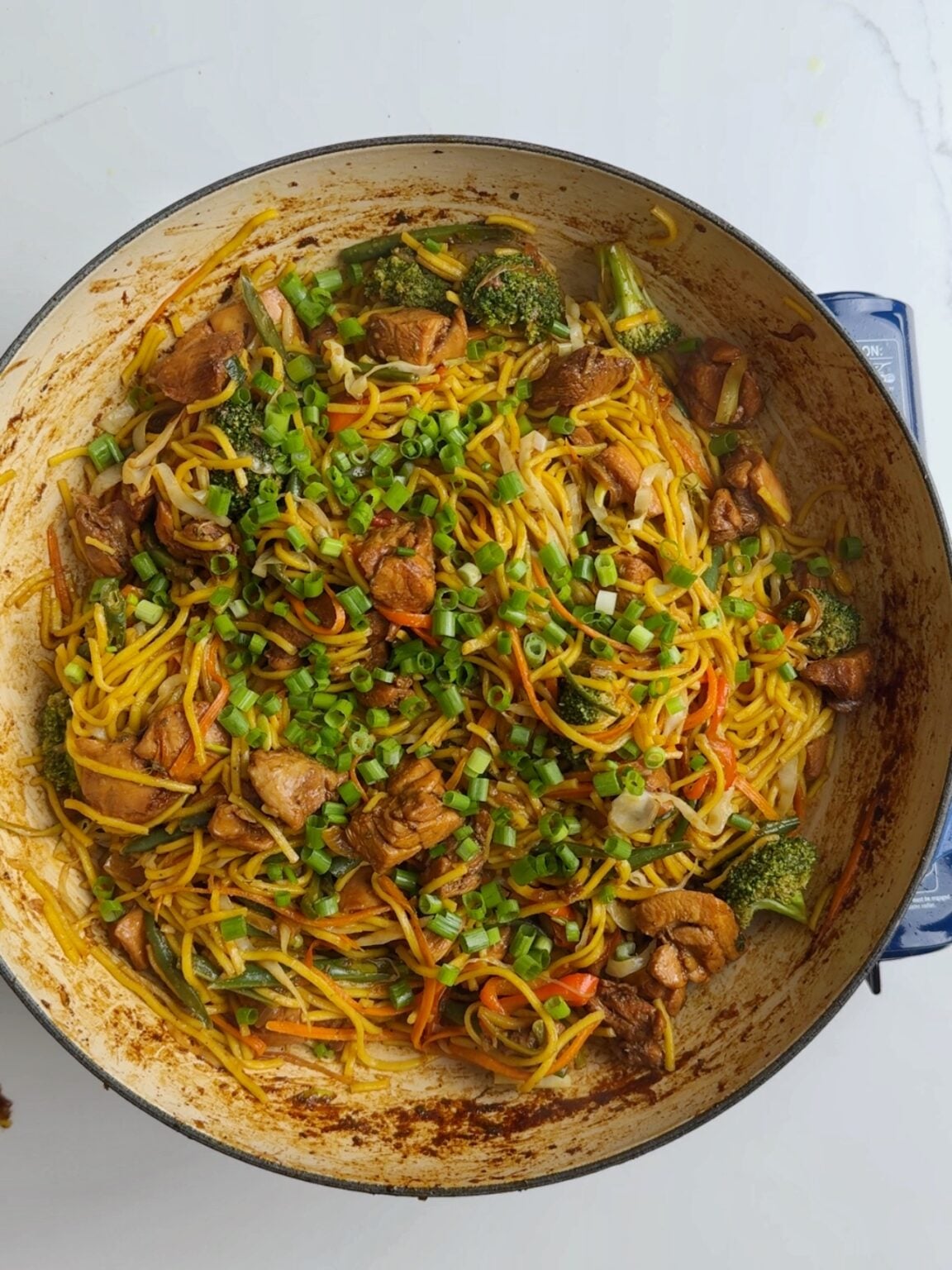
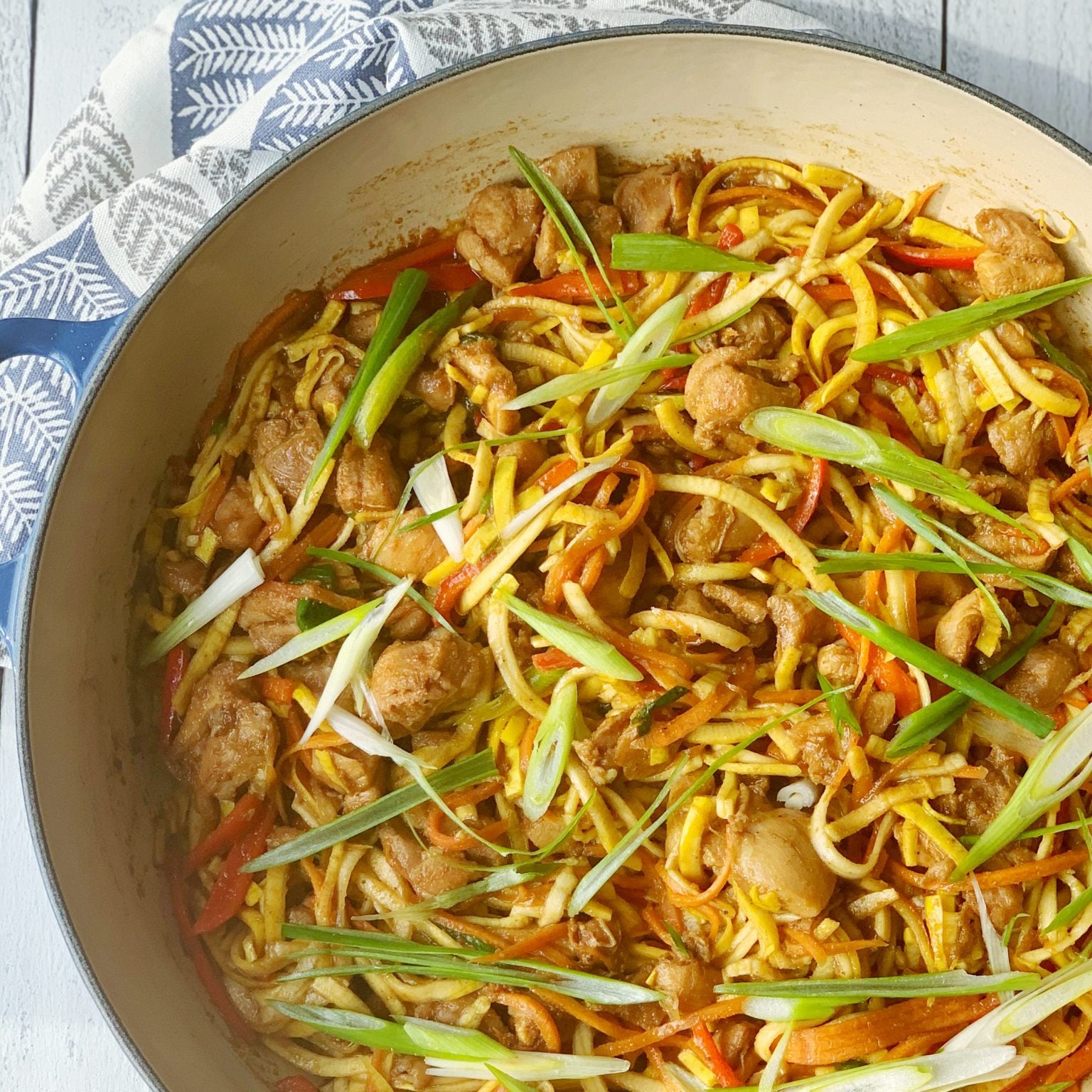
Guyanese Chow Mein
Welcome to the vibrant world of Indo-Caribbean cuisine, where culinary traditions from across the globe meet and create something entirely unique. Among the crown jewels of this fusion is Guyanese Chow Mein. While its roots trace back to Chinese indentured laborers who arrived in British Guiana in the 19th century, this beloved dish has evolved into a distinctly South American-Caribbean comfort food. It features prominently at birthday parties, weddings, and casual Sunday family dinners across Guyana and the diaspora. Explore more in our Pasta & Rice Recipes collection.
💡 Recipe Key Takeaways:
- Core Flavor: Easy-to-follow, delicious culinary preparation for Guyanese Chow Mein.
- Target Scope: Quick weeknight family dinners, home cooking, and festive meal planning.
- Chef Tip: Prep all measured ingredients in advance (mise en place) to ensure even cooking and optimal texture.
What sets Guyanese Chow Mein apart from its East Asian ancestors is its bold, aromatic flavor profile. Unlike traditional Chinese stir-fries, which are often light and saucy, the Guyanese version embraces warmth from wiri wiri peppers, the earthy depth of fresh ginger and garlic, and the savory richness of Chinese-style soy sauce and Casareep (sometimes used for depth, though soy is the classic base). Tucked inside a mountain of golden, stir-fried noodles, you will find a colorful medley of crisp vegetables and your choice of tender chicken, beef, shrimp, or even salted fish. It is a harmonious, one-pot wonder that brings people together. For more related activities, check out our Cheap Bread For Small Spaces.
Ingredients
To recreate this authentic Guyanese favorite in your own kitchen, you will need a mix of traditional noodles, fresh aromatics, proteins, and quintessential Caribbean seasonings. Here is your shopping list:. Discover more free resources across our collection library.
- 12 oz (340g) authentic Guyanese-style chow mein noodles (or thin Chinese egg noodles)
- 1 lb boneless, skinless chicken breast or thighs, cut into bite-sized strips
- 3 tablespoons vegetable oil, divided
- 4 cloves garlic, minced
- 1 tablespoon fresh ginger, grated
- 1 medium yellow onion, sliced
- 2 scallions (green onions), chopped, keeping white and green parts separate
- 1 cup julienned carrots
- 1 cup sliced bok choy or cabbage
- 1/2 cup green beans, cut into 1-inch pieces
- 1/2 cup sweet bell peppers (red and green), sliced
- 3-4 tablespoons dark soy sauce
- 1 tablespoon Chinese five-spice powder
- 1 tablespoon chicken bouillon powder (optional, for extra savory depth)
- 1 fresh wiri wiri pepper or Scotch bonnet pepper, finely chopped (optional, for heat)
- Salt and black pepper to taste
Step-by-Step Instructions
Cooking Guyanese Chow Mein is all about timing and prep work. Once the wok gets hot, things move fast! Follow these simple steps for success:
- Bring a large pot of water to a boil. Cook the chow mein noodles according to the package instructions, usually just 3 to 4 minutes until they are al dente. Drain the noodles immediately and rinse them thoroughly with cold water to stop the cooking process. Toss with 1 tablespoon of vegetable oil to prevent sticking and set aside.
- Season your chicken strips with salt, black pepper, and half of the Chinese five-spice powder.
- Heat 1 tablespoon of oil in a large wok or heavy-bottomed skillet over high heat. Add the seasoned chicken and stir-fry until fully cooked, golden brown, and slightly caramelized. Remove the chicken from the wok and set aside on a plate.
- In the same wok, add the remaining oil over medium-high heat. Toss in the minced garlic, grated ginger, white parts of the scallions, and the chopped hot pepper. Sauté for about 30 seconds until fragrant, being careful not to burn the garlic.
- Add the harder vegetables first—carrots and green beans—and stir-fry for 2 minutes. Then, add the bell peppers, cabbage (or bok choy), and sliced onions. Stir-fry until the vegetables are tender-crisp and vibrant in color.
- Return the cooked chicken and any accumulated juices back into the wok with the vegetables.
- Lower the heat to medium. Add the cooked noodles into the wok. Drizzle the dark soy sauce, sprinkle the remaining five-spice powder, and add the chicken bouillon powder evenly over the noodles and vegetables.
- Using two large utensils, gently toss and fold everything together until the noodles are evenly coated in the dark soy sauce and heated through. Taste and adjust seasoning with additional salt or soy sauce if necessary.
- Stir in the green parts of the scallions, turn off the heat, and give one final toss. Serve hot and enjoy!
Tips and Variations
Mastering this dish is easy with a few insider tricks from home cooks in Georgetown:
Do not overcook the noodles: Because the noodles will be tossed in a hot wok later, undercooking them slightly during the boiling stage prevents them from turning mushy.
Protein swaps: Feel free to customize. Shrimp, thinly sliced beef, or even cubed fried tofu work wonderfully in this recipe. For a festive occasion, many Guyanese households use a “mixed chow mein” featuring chicken, beef, and shrimp all in one dish.
Serving Suggestions
Guyanese Chow Mein is a complete meal on its own, packed with protein and vegetables. However, it pairs brilliantly with a side of homemade pepper sauce for those who love extra heat. For a classic Guyanese Sunday spread, serve it alongside baked chicken, a fresh cucumber and tomato salad, and ice-cold mauby or sorrel drink.
Storage Instructions
Leftover chow mein tastes even better the next day as the flavors meld together. Store any leftovers in an airtight container in the refrigerator for up to 3 days. To reheat, sprinkle a tablespoon of water over the noodles and microwave in 30-second intervals until hot, or toss them back into a hot skillet with a tiny splash of oil.
Frequently Asked Questions
Can I use standard Italian spaghetti if I can’t find chow mein noodles?
Yes, you can! While authentic Guyanese chow mein noodles have a specific texture and absorb flavors exceptionally well, thin spaghetti is a popular substitute among the diaspora when Asian or Caribbean grocery stores aren’t nearby.
Is Guyanese chow mein spicy?
Traditionally, it has a mild warmth from fresh peppers like wiri wiri, but the heat level is entirely up to you. You can omit the hot pepper completely for a kid-friendly version or serve the pepper sauce on the side.
Why are my noodles sticking together?
Noodles usually stick if they were overcooked or if they weren’t rinsed thoroughly with cold water and tossed with a bit of oil immediately after boiling. Always prep your noodles before firing up the wok!
Preparation & Cooking Specifications
| Prep Step | Estimated Time | Chef’s Best Practice |
|---|---|---|
| Mise en Place & Chopping | 10 – 15 Minutes | Keep ingredients uniform for even cooking |
| Active Cooking / Searing | 15 – 25 Minutes | Preheat skillet thoroughly before adding oil |
| Resting & Plating | 5 Minutes | Allow juices to redistribute before slicing |
Images References