Introduction
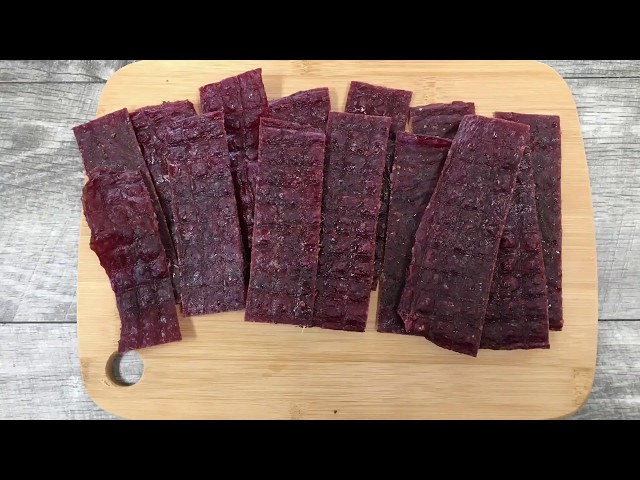
Hamburger beef jerky, made using a dehydrator, provides a unique and accessible entry point into the world of homemade jerky. Its popularity stems from its cost-effectiveness, versatility, and relatively simple preparation compared to traditional whole-muscle jerky. The use of ground beef allows for consistent texture and easy incorporation of various flavors, making it a favorite among home cooks looking for a satisfying and portable snack.
Ingredients
The core ingredient is lean ground beef (at least 90% lean is recommended). The quality of the beef directly impacts the final product. Common seasonings include:
- Soy sauce (low sodium recommended)
- Worcestershire sauce
- Brown sugar (or honey for a less processed sweetener)
- Garlic powder
- Onion powder
- Black pepper
- Red pepper flakes (for heat)
- Smoked paprika (for smoky flavor)
- Cure #1 (sodium nitrite) – crucial for safety if storing at room temperature, especially when dehydrating at lower temperatures. Use according to package instructions.
For substitutions, consider using tamari instead of soy sauce for a gluten-free option, maple syrup instead of brown sugar, or experimenting with different spice blends.
Preparation Steps
Begin by thoroughly combining the ground beef with all the seasonings in a large bowl. Ensure the spices are evenly distributed to avoid pockets of intense flavor. If using Cure #1, it’s imperative to follow the precise measurements provided on the packaging; using too much can be harmful. Next, the seasoned ground beef needs to be formed into jerky strips. This can be achieved using a jerky gun (a sausage stuffer designed for jerky) or by spreading the mixture thinly between two sheets of parchment paper and rolling it out to the desired thickness (approximately 1/8 to 1/4 inch). Cut into strips. Allow the seasoned beef to marinate in the refrigerator for at least 4 hours, or preferably overnight, to allow the flavors to meld and the cure to properly work. This enhances the overall taste and texture of the jerky.
Cooking Instructions
The dehydrator is the key to achieving the proper texture and preserving the hamburger beef jerky. Lay the marinated strips on the dehydrator trays, ensuring they are not overlapping to allow for proper airflow. The optimal temperature range for dehydrating hamburger beef jerky is between 160F (71C) and 165F (74C). This temperature is crucial for killing bacteria and ensuring food safety. Dehydration time will vary depending on the thickness of the strips and the efficiency of the dehydrator, but typically ranges from 4 to 8 hours. Check the jerky periodically for doneness. It is done when it is firm, slightly pliable, and does not have any soft spots. A good way to test is to bend a strip; it should crack but not break completely in half. If using Cure #1, the jerky is considered shelf-stable once the internal temperature reaches 160F and remains there for a period of time, ensuring the cure has done its job. Always consult reliable sources for safe curing practices.
Serving Suggestions
Hamburger beef jerky is a versatile snack that can be enjoyed in numerous ways. It is excellent on its own as a high-protein, on-the-go snack. Consider pairing it with cheese and crackers for a more substantial snack. It can also be incorporated into hiking trail mixes for added protein and flavor. For a spicier experience, serve with a side of sriracha or your favorite hot sauce. It is an excellent addition to charcuterie boards or a game-day spread.
Tips and Common Mistakes
A crucial tip is to use lean ground beef to minimize fat content in the final product. Excess fat can lead to a greasy texture and potential spoilage. Another common mistake is overcrowding the dehydrator trays, which inhibits proper airflow and can result in unevenly dried jerky. Always ensure the strips are arranged in a single layer with sufficient space between them. Pay close attention to the internal temperature of the jerky, especially if not using a curing salt. Insufficient drying can lead to bacterial growth and spoilage. Rotate the dehydrator trays periodically to ensure even drying. Finally, allow the jerky to cool completely before storing it in an airtight container to prevent condensation and mold growth.
Explore More Cooking Guides
Learning how to make hamburger beef jerky using a dehydrator provides a rewarding and economical way to enjoy a delicious and convenient snack. The customizable flavors, combined with its portability and high protein content, make it a staple for many. It also allows for a control over ingredients that commercially made jerky does not. Its adaptable to various spice preferences and dietary needs. Try this recipe at home and experiment with different flavors. Explore more cooking guides at website.com for more culinary adventures!
Youtube Video:
Looking for more useful options?
Check out recommended resources that others find helpful.