Introduction
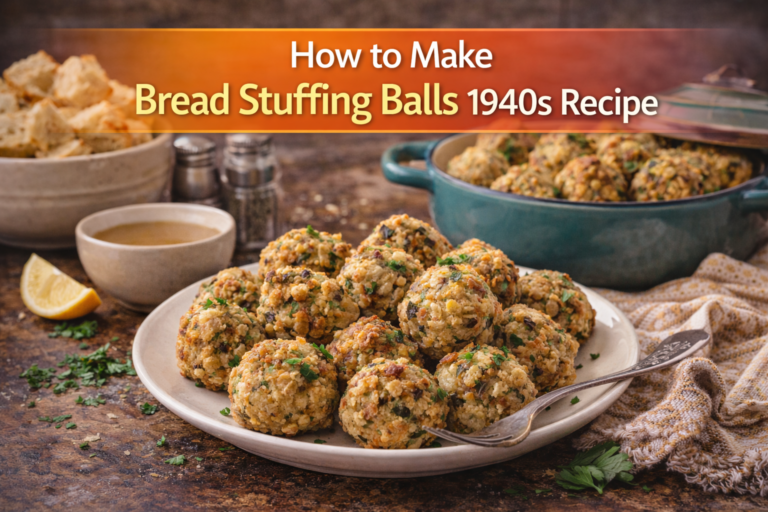
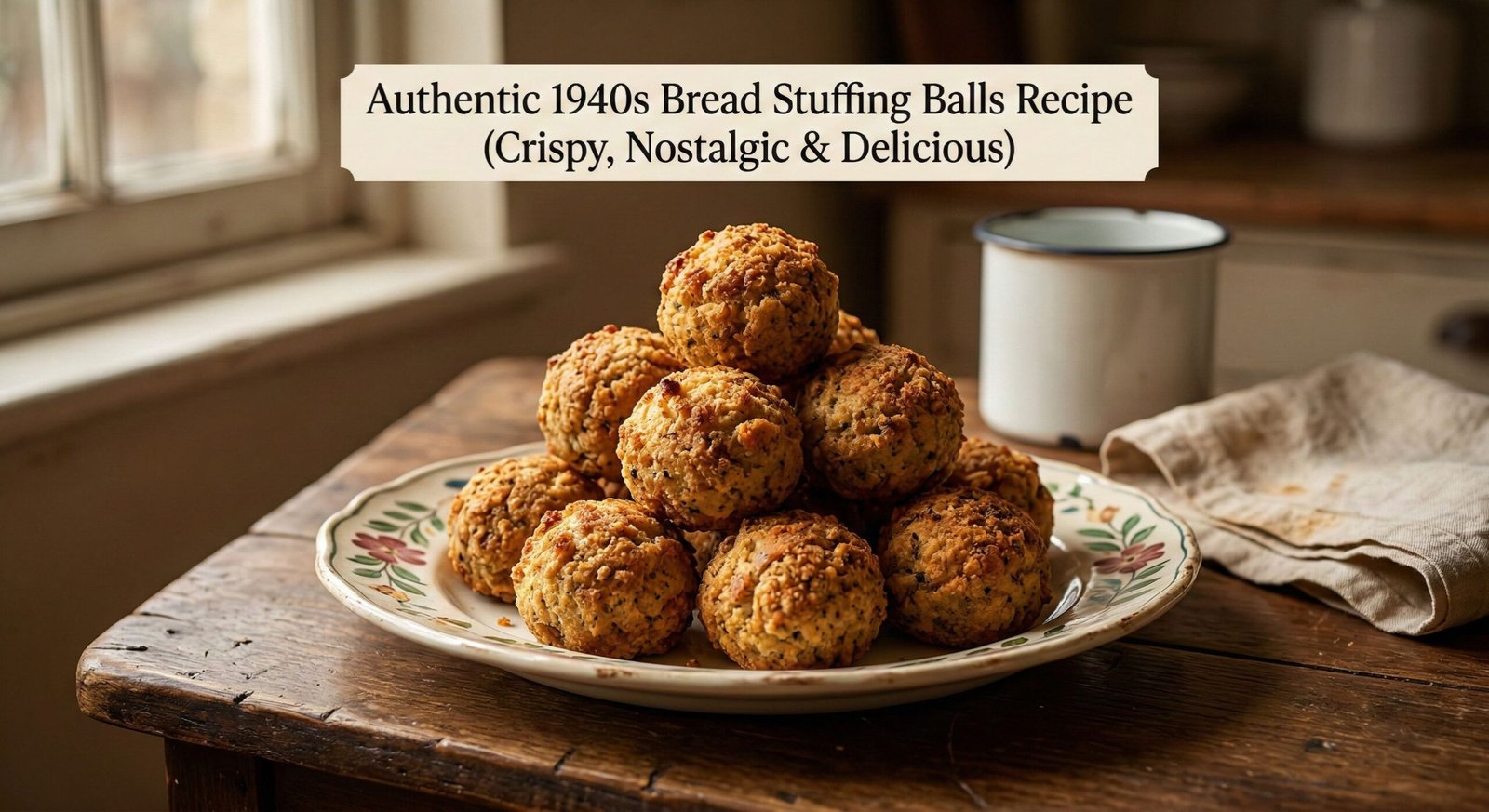
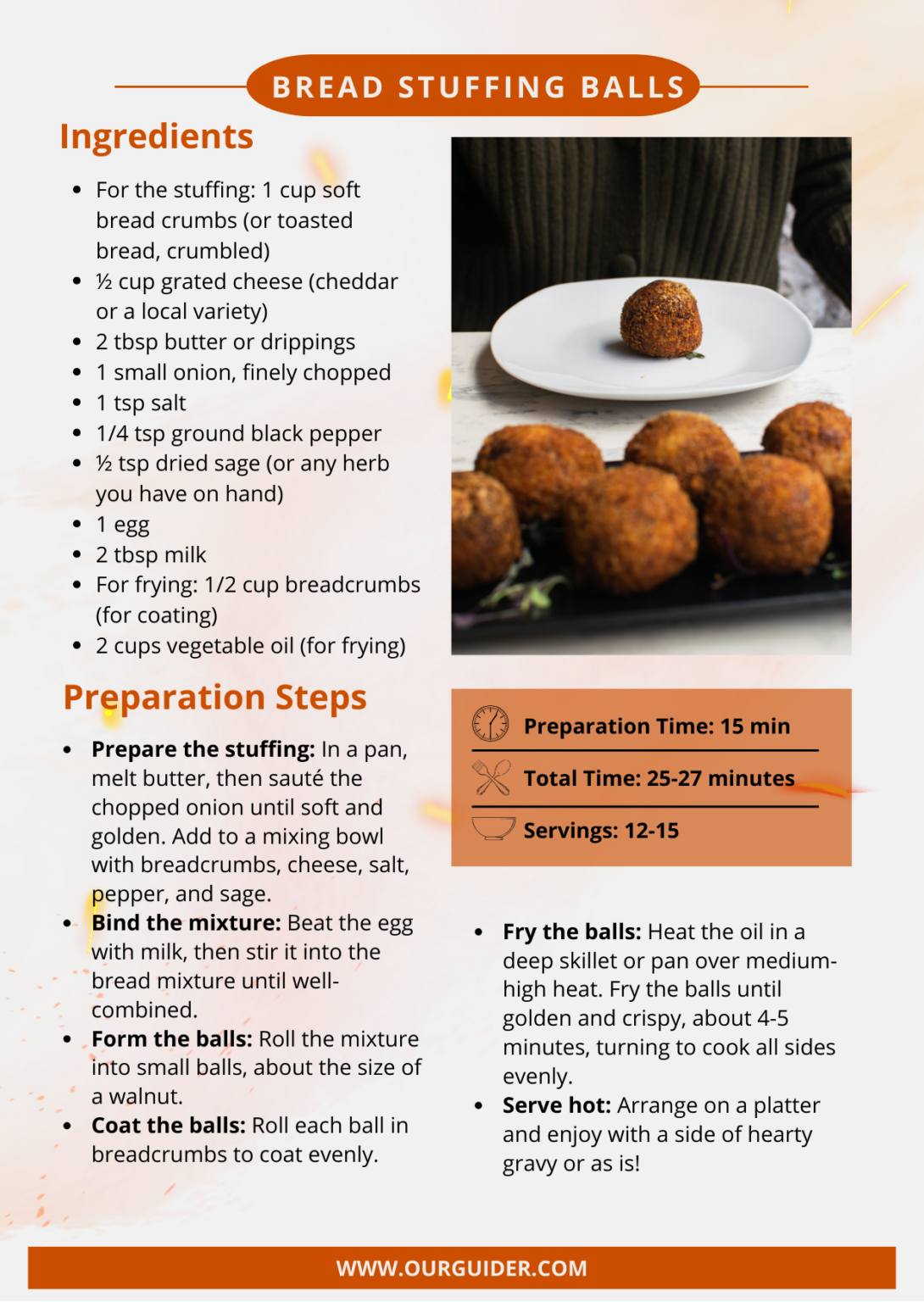
Bread stuffing balls, a staple side dish, gained immense popularity during the 1940s as a resourceful and flavorful way to extend meals during wartime rationing. This era emphasized making the most of available ingredients, and bread stuffing balls became a comforting and economical addition to roast chicken, turkey, or pork dinners. The “how to make bread stuffing balls 1940s recipe” reflects a focus on simple, wholesome ingredients and traditional cooking techniques. This guide provides insights into recreating this classic dish.
💡 Recipe Key Takeaways:
- Core Flavor: Easy-to-follow, delicious culinary preparation for How To Make Bread Stuffing Balls 1940s Recipe.
- Target Scope: Quick weeknight family dinners, home cooking, and festive meal planning.
- Chef Tip: Prep all measured ingredients in advance (mise en place) to ensure even cooking and optimal texture.
Ingredients
The basic ingredients for classic 1940s bread stuffing balls include:
- Stale Bread: Approximately 1 loaf, cubed. The type of bread can vary, but day-old white bread, or a mix of white and wheat, is common.
- Onion: 1 medium, chopped.
- Celery: 2 stalks, chopped.
- Butter or Shortening: 1/2 cup. Butter adds richness, while shortening was often used as a more economical alternative.
- Poultry Seasoning: 1-2 teaspoons. A blend of herbs like sage, thyme, marjoram, and rosemary.
- Salt and Pepper: To taste.
- Broth or Water: About 1-2 cups. Chicken broth adds flavor, but water was also a common choice.
- Optional Additions: Chopped parsley, cooked sausage or bacon (for a richer flavor), dried cranberries or raisins (for a touch of sweetness).
Substitutions: Gluten-free bread can be used for a gluten-free version. Olive oil can replace butter or shortening for a healthier option. Vegetable broth can be used in place of chicken broth for a vegetarian option.
Preparation Steps
Proper preparation is key to flavorful and well-textured bread stuffing balls.
- Dry the Bread: Spread the cubed bread on baking sheets and let it sit out overnight to dry. Alternatively, bake it in a low oven (200F or 93C) for about 30-45 minutes, until dried but not browned. This prevents the stuffing from becoming mushy.
- Saut the Vegetables: In a large skillet, melt the butter or shortening over medium heat. Add the chopped onion and celery and saut until softened, about 5-7 minutes.
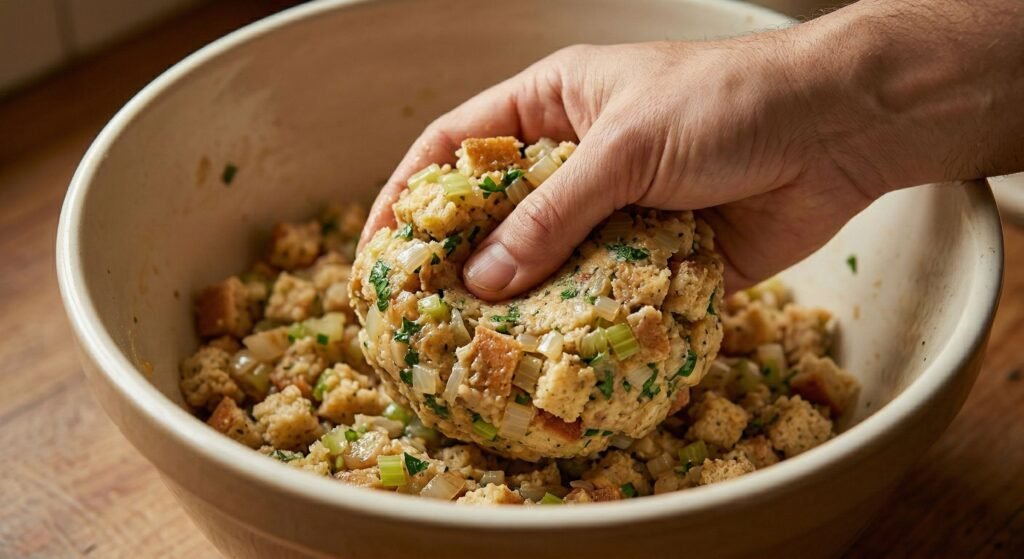
- Combine Ingredients: In a large bowl, combine the dried bread cubes, sauted vegetables, poultry seasoning, salt, and pepper.
- Moisten the Mixture: Gradually add the broth or water, tossing gently to moisten the bread. The mixture should be damp but not soggy. Add more liquid as needed.
- Add Optional Ingredients: If desired, stir in chopped parsley, cooked sausage or bacon, or dried fruit.
Tip: Taste the mixture and adjust seasonings as needed before forming the balls.
Cooking Instructions
There are two primary methods for cooking bread stuffing balls:
-
Baking:
- Preheat oven to 350F (175C).
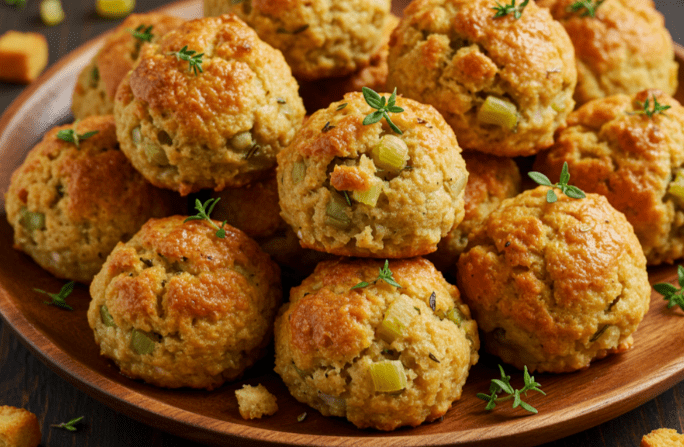
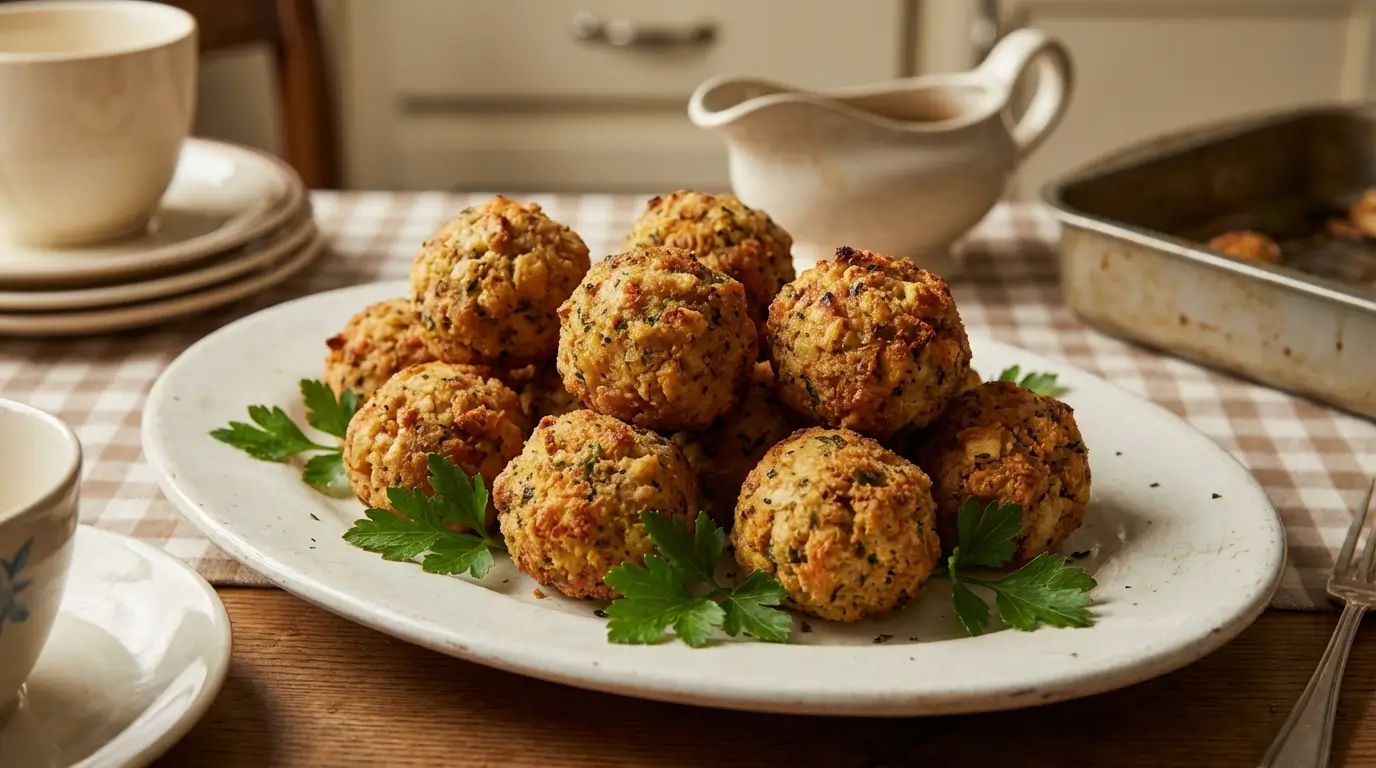
- Form the stuffing mixture into balls, about 2 inches in diameter.
- Place the stuffing balls on a lightly greased baking sheet.
- Bake for 20-25 minutes, or until golden brown and heated through.
- For added moisture, drizzle with melted butter or broth during the last few minutes of baking.
-
Steaming:
- Form the stuffing mixture into balls, about 2 inches in diameter.
- Place the stuffing balls in a steamer basket over simmering water. Ensure the water does not touch the stuffing balls.
- Cover and steam for 20-25 minutes, or until heated through.
- Steaming provides a moist and tender stuffing ball.
Serving Suggestions
Bread stuffing balls are a versatile side dish that complements various main courses.
- Serve alongside roast chicken, turkey, or pork.
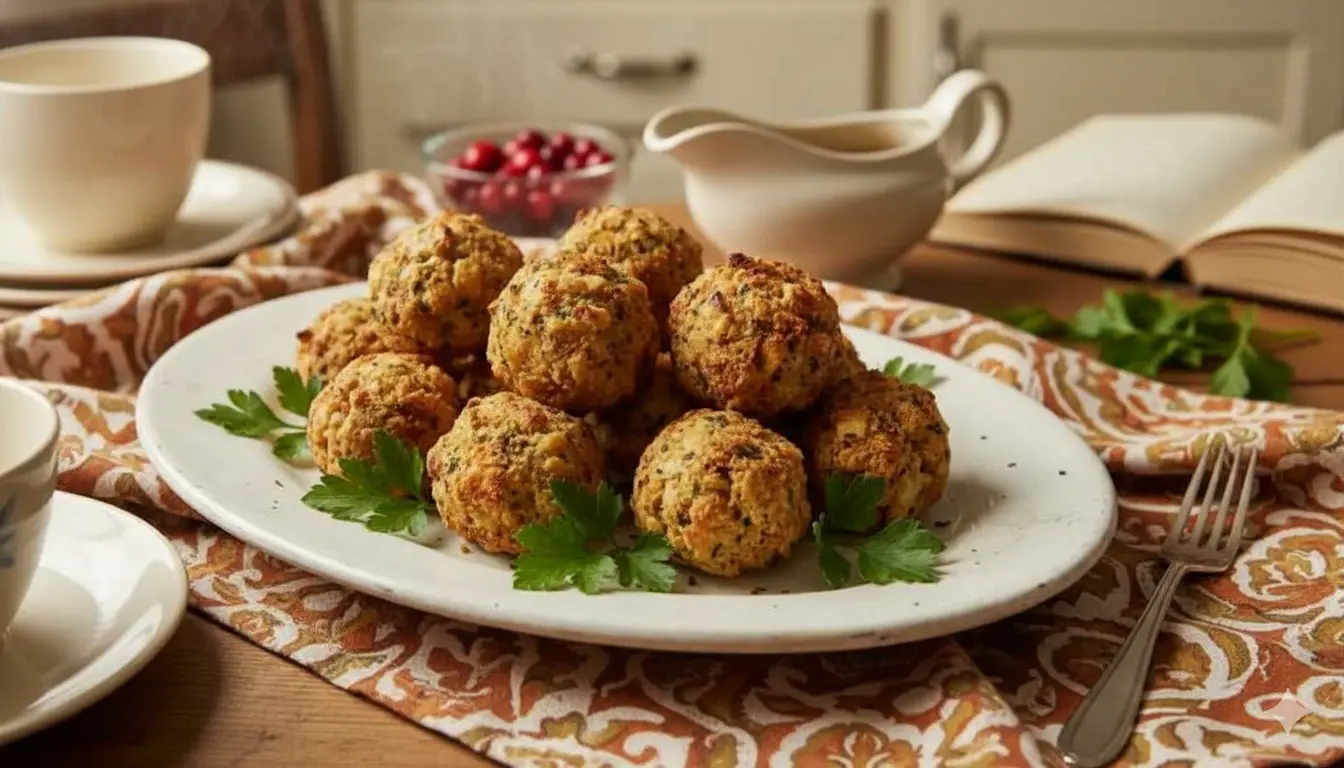
- Pair with gravy or cranberry sauce.
- Use as a side dish for vegetarian meals, such as lentil loaf or roasted vegetables.
- Garnish with fresh parsley or thyme sprigs for an elegant presentation.
- Serve warm or at room temperature.
Tips and Common Mistakes
To achieve perfect bread stuffing balls, consider these tips:
- Avoid Soggy Stuffing: Ensure the bread is thoroughly dried before adding liquid. Add broth gradually to prevent over-moistening.
- Don’t Overmix: Overmixing can result in dense stuffing balls. Gently toss the ingredients together.
- Use Fresh Herbs: Fresh herbs enhance the flavor of the stuffing. If using dried herbs, use half the amount called for in the recipe.
- Taste and Adjust Seasoning: Taste the stuffing mixture before cooking and adjust seasonings as needed.
- Monitor Cooking Time: Check the stuffing balls frequently to prevent over-browning or drying out.
Explore More Cooking Guides
Learning how to make bread stuffing balls 1940s recipe offers a taste of culinary history while providing a comforting and versatile side dish. Its simple ingredients, adaptable nature, and satisfying flavor make it a worthwhile addition to any home cook’s repertoire. Whether served at Thanksgiving, a Sunday roast, or a simple weeknight dinner, bread stuffing balls evoke a sense of warmth and tradition. Embrace this classic dish and adapt it to your own tastes and preferences. For more inspiring cooking guides and recipes, visit website.com and continue your culinary journey!. Related guide: Nutribullet Bullet Recipes.
Preparation & Cooking Specifications
| Prep Step | Estimated Time | Chef’s Best Practice |
|---|---|---|
| Mise en Place & Chopping | 10 – 15 Minutes | Keep ingredients uniform for even cooking |
| Active Cooking / Searing | 15 – 25 Minutes | Preheat skillet thoroughly before adding oil |
| Resting & Plating | 5 Minutes | Allow juices to redistribute before slicing |
Images References
Looking for more delicious meal ideas? Explore our tested Special Recipes collection for easy, family-friendly recipes.
Images References