Introduction
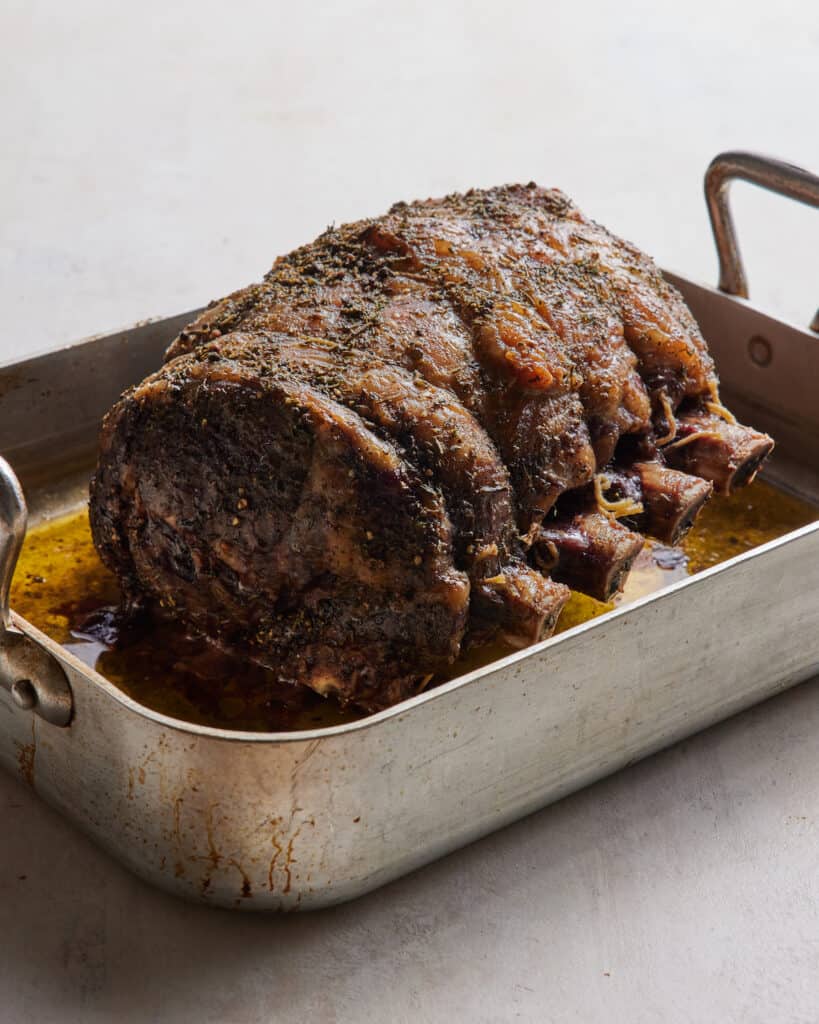
Iranian cuisine, renowned for its intricate flavors and aromatic spices, offers a delightful array of lamb dishes. “Iranian recipes lamb” are deeply rooted in the country’s culinary heritage, often prepared for special occasions, family gatherings, and everyday meals. The dishes frequently incorporate tender lamb infused with saffron, turmeric, and other fragrant spices, creating a harmonious balance of sweet, savory, and aromatic elements. The popularity stems from the lamb’s rich flavor profile and its ability to meld beautifully with the diverse ingredients used in Iranian cooking.
💡 Recipe Key Takeaways:
- Core Flavor: Easy-to-follow, delicious culinary preparation for Iranian Recipes Lamb.
- Target Scope: Quick weeknight family dinners, home cooking, and festive meal planning.
- Chef Tip: Prep all measured ingredients in advance (mise en place) to ensure even cooking and optimal texture.
Ingredients
The foundation of many Iranian lamb recipes includes:
- Lamb: Boneless lamb shoulder or leg, cut into 1-2 inch pieces, is preferred. Lamb shanks can also be used for braised dishes.
- Onions: Yellow or white onions, finely chopped, form the base of the sauce.
- Garlic: Fresh garlic cloves, minced, add depth and aroma.
- Spices: Saffron (a must for authentic flavor), turmeric, cumin, coriander, cinnamon, cardamom, and black pepper are commonly used. Adjust quantities to personal preference.
- Tomato Paste: Adds richness and color to the sauce.
- Dried Limes (Limoo Amani): These unique limes provide a distinctive tangy and slightly bitter flavor. They are usually pierced several times before adding to the dish. (Can be omitted or substituted with a squeeze of fresh lime juice in a pinch).
- Olive Oil: For sauting the onions and browning the lamb.
- Water or Broth: Used as the cooking liquid. Lamb or chicken broth enhances the flavor.
- Optional Ingredients: Depending on the specific recipe, other additions may include dried apricots, raisins, barberries (zereshk), split peas (for Khoresh Gheimeh), or eggplant.
Preparation Steps
Proper preparation is key to maximizing flavor and tenderness.
- Lamb Preparation: Trim excess fat from the lamb and cut into uniform pieces to ensure even cooking. Washing the lamb is optional; however, patting it dry with paper towels before searing promotes browning.
- Onion and Garlic: Finely chop the onions to ensure they melt into the sauce. Mince the garlic for optimal flavor release.
- Spice Blending: Toasting the spices lightly in a dry pan before grinding them enhances their aroma. Grind whole spices for the freshest flavor, or use pre-ground spices.
- Dried Lime Preparation (if using): Pierce the dried limes several times with a fork or knife. Soaking them in hot water for about 30 minutes before adding to the dish can help soften them and release their flavor.
- Marinating (Optional): While not always required, marinating the lamb for at least 30 minutes (or up to overnight) in a mixture of yogurt, lemon juice, onion, garlic, and spices can tenderize the meat and infuse it with flavor.
Cooking Instructions
The cooking method varies depending on the specific dish. Here are general guidelines for braising, a common technique for “Iranian recipes lamb”:. Related guide: Mark Beahm Baked Alaska Recipe.
- Searing the Lamb: Heat olive oil in a large, heavy-bottomed pot or Dutch oven over medium-high heat. Sear the lamb pieces in batches until browned on all sides. This step is crucial for developing a rich flavor. Remove the lamb from the pot and set aside.
- Sauting Aromatics: Add the chopped onions to the pot and saut until softened and translucent, about 5-7 minutes. Add the minced garlic and cook for another minute until fragrant.
- Building the Flavor Base: Stir in the tomato paste and cook for 2-3 minutes, allowing it to caramelize slightly. Add the spices and cook for another minute, stirring constantly to release their aroma.
- Combining Ingredients: Return the lamb to the pot. Add the water or broth, ensuring the lamb is mostly submerged. Add the prepared dried limes (if using).
- Simmering: Bring the mixture to a simmer, then reduce the heat to low, cover the pot, and cook for 1.5-2.5 hours, or until the lamb is very tender. The cooking time will vary depending on the size of the lamb pieces and the cut of meat used. Check the lamb periodically and add more liquid if necessary to prevent it from drying out.
- Adjusting Seasoning: Taste the sauce and adjust the seasoning with salt and pepper as needed. Remove the dried limes before serving.
Recommended Temperatures and Timing: For braising, maintain a gentle simmer over low heat. An internal temperature of 200-205F (93-96C) indicates the lamb is fully cooked and tender.
Serving Suggestions
Iranian lamb dishes are traditionally served with fluffy basmati rice.
- Rice: The most common accompaniment is Persian-style rice (polo), which can be plain or flavored with saffron, herbs, or dried fruits.
- Sides: Yogurt, fresh herbs (such as mint, cilantro, and parsley), and fresh radishes are common side dishes. A simple salad with cucumber, tomato, and onion is also a refreshing addition.
- Garnishes: Garnish with fresh herbs, toasted slivered almonds or pistachios, or a drizzle of olive oil.
- Plating Ideas: Serve the lamb stew over a bed of rice, garnished with fresh herbs and nuts. Offer yogurt and other side dishes in separate bowls.
Tips and Common Mistakes
To elevate your Iranian lamb dishes:
- Quality Lamb: Start with high-quality lamb for the best flavor and texture.
- Browning is Key: Don’t skip the step of searing the lamb. It’s essential for developing a rich, complex flavor.
- Spice Balance: Adjust the spices to your preference, but don’t be afraid to experiment with traditional Iranian flavors.
- Low and Slow: Braising requires patience. Cook the lamb over low heat for a longer period to ensure it’s tender and flavorful.
- Don’t Overcook: Overcooked lamb can become dry and tough. Check for tenderness periodically.
- Dried Limes: Remember to pierce the dried limes before adding them to the dish to release their flavor. Overuse can lead to a bitter flavor, so use them sparingly.
- Salt: Be mindful of the salt content, especially when using broth. Taste and adjust as needed.
Explore More Cooking Guides
Learning to prepare “Iranian recipes lamb” unlocks a world of delicious and culturally rich flavors. The combination of tender lamb, aromatic spices, and traditional cooking techniques results in a deeply satisfying and memorable dining experience. The versatility of these recipes allows for adaptation to individual tastes and dietary preferences, making them suitable for any occasion. Embrace the culinary heritage of Iran and embark on a flavorful journey in your own kitchen. Try these recipes at home and discover the magic of Iranian cuisine. Explore more cooking guides and expand your culinary horizons at website.com.
Preparation & Cooking Specifications
| Prep Step | Estimated Time | Chef’s Best Practice |
|---|---|---|
| Mise en Place & Chopping | 10 – 15 Minutes | Keep ingredients uniform for even cooking |
| Active Cooking / Searing | 15 – 25 Minutes | Preheat skillet thoroughly before adding oil |
| Resting & Plating | 5 Minutes | Allow juices to redistribute before slicing |
Images References
Looking for more delicious meal ideas? Explore our tested Special Recipes collection for easy, family-friendly recipes.