Introduction
Irish cabbage and bacon, a dish deeply rooted in Irish culinary tradition, represents simple yet satisfying fare. Often associated with St. Patrick’s Day celebrations, this hearty meal transcends mere holiday fare, offering a comforting and economical option enjoyed year-round. Its popularity stems from readily available ingredients and ease of preparation, making it a staple in many households.
💡 Technical Key Takeaways:
- Core Focus: Diagnostic schematic and terminal connection layout for Irish Cabbage Recipes Bacon.
- Target Scope: Field technicians, automotive DIYers, and residential/commercial electricians.
- Safety Rule: Always disconnect the primary power source/battery terminal and verify zero voltage with a multimeter before touching wires.
Ingredients
The essential components are:
- Cabbage: One medium head of green cabbage, cored and quartered. Savoy cabbage can be substituted for a milder flavor.
- Bacon: Approximately 1 pound of thick-cut bacon, cut into lardons or strips. Smoked bacon adds a distinct flavor profile. Pancetta can be used for a richer, fattier alternative.
- Onion: One medium yellow onion, chopped. A white onion is a suitable alternative.
- Potatoes: 2-3 medium potatoes, peeled and quartered. Russet or Yukon Gold varieties work well.
- Water or Broth: Enough to cover the ingredients in the pot. Chicken or vegetable broth adds depth of flavor.
- Seasoning: Salt and black pepper to taste. Some recipes incorporate bay leaves or caraway seeds for added complexity.
Preparation Steps
Before embarking on the cooking process, proper preparation is key. Begin by thoroughly washing the cabbage to remove any dirt or debris. Core the cabbage and cut it into manageable wedges or quarters. Dice the bacon into lardons or strips, depending on preference. Chop the onion into small pieces. Peel the potatoes and cut them into quarters, ensuring they are roughly the same size for even cooking. There is no need to pre-season the ingredients significantly at this stage, as the bacon will impart much of the saltiness to the dish. Related guide: Original Lipton Onion Burger Recipe.
Cooking Instructions
The cooking method traditionally involves simmering, allowing the flavors to meld together.
- In a large pot or Dutch oven, add the bacon and cook over medium heat until crispy, rendering the fat. Remove the bacon with a slotted spoon and set aside, reserving the rendered fat in the pot.
- Add the chopped onion to the pot with the bacon fat and saut until softened, about 5-7 minutes.
- Add the potatoes to the pot, followed by the cabbage. Pour in enough water or broth to cover the vegetables.
- Bring the mixture to a boil, then reduce the heat to low, cover, and simmer for approximately 20-30 minutes, or until the potatoes are tender.
- During the last 5 minutes of cooking, return the cooked bacon to the pot to reheat.
- Season with salt and pepper to taste. Be mindful of the saltiness of the bacon.
Serving Suggestions
Irish cabbage and bacon is typically served hot, directly from the pot. It can be enjoyed as a complete meal on its own. Traditional accompaniments include a dollop of Irish butter or a sprinkle of fresh parsley. Some variations include serving with a side of crusty bread for soaking up the flavorful broth. For a more substantial meal, consider pairing it with corned beef or Irish soda bread.
Tips and Common Mistakes
To enhance the flavor and avoid common pitfalls:
- Don’t overcook the cabbage: Overcooked cabbage becomes mushy and loses its appeal. Aim for tender-crisp.
- Control the salt: Bacon is naturally salty. Taste frequently and adjust seasoning accordingly.
- Use quality ingredients: High-quality bacon will significantly impact the overall flavor of the dish.
- Render the bacon fat properly: Crispy bacon and rendered fat are essential for a flavorful base.
- Adjust cooking time based on potato size: Larger potato pieces require longer cooking times.
Explore More Cooking Guides
Mastering Irish cabbage and bacon unlocks a world of simple yet satisfying meals. The dish provides a comforting taste of Irish tradition, while its adaptability allows for personal customization. Its ease of preparation makes it a practical option for any home cook. Dive into the kitchen and experience the warmth and flavor of this classic dish. For further culinary inspiration and step-by-step guides, explore more cooking guides at website.com.
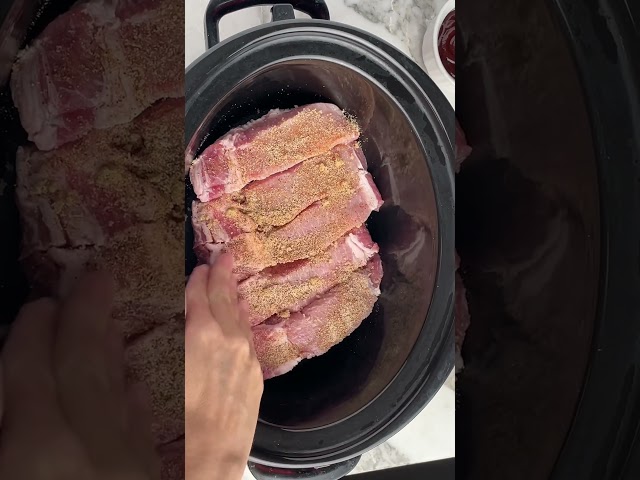
Youtube Video:

Quick Wiring Specifications & Terminal Guide
| Component / Circuit | Standard Wire Gauge | Recommended Protection |
|---|---|---|
| Control & Trigger Signals | 18 – 20 AWG | 5A – 7.5A Inline Fuse |
| Standard Auxiliary Load | 14 – 16 AWG | 15A – 20A Circuit Breaker |
| Main Power Feed / Supply | 10 – 12 AWG | 30A – 40A Heavy-Duty Relay |
Images References
Looking for more delicious meal ideas? Explore our tested Beef & Pork Recipes collection for easy, family-friendly recipes.