Introduction
Oriole feeders offer a supplemental food source, primarily during migration and nesting seasons, catering to the oriole’s preference for sweet substances. While commercially available nectar exists, crafting an “oriole feeder recipe” allows for control over ingredients, ensuring a safe and attractive food source for these vibrant birds. The homemade approach also offers cost savings, especially for those with frequent oriole visitors.
💡 Recipe Key Takeaways:
- Core Flavor: Easy-to-follow, delicious culinary preparation for Oriole Feeder Recipe.
- Target Scope: Quick weeknight family dinners, home cooking, and festive meal planning.
- Chef Tip: Prep all measured ingredients in advance (mise en place) to ensure even cooking and optimal texture.
Ingredients
The core ingredient is granulated white sugar. Cane or beet sugar are both acceptable. Avoid using honey, artificial sweeteners, or brown sugar. These can be harmful to orioles or attract unwanted pests. The ratio is crucial: 1 part granulated white sugar to 6 parts water. For instance, 1 cup of sugar mixed with 6 cups of water. Related guide: Borderlands The Pre Sequal All Grinder Recipies.
Preparation Steps
Ensure all utensils and mixing containers are thoroughly clean to prevent bacterial growth, which can be harmful to birds. Measure the water and sugar accurately using measuring cups. A slight variation in water quantity is acceptable, but maintain the 1:6 ratio. No further preparation is required beyond measuring.
Cooking Instructions
While the term “cooking” is used, the process involves dissolving the sugar completely in the water. There are two primary methods:
- Method 1: Heating: Combine the sugar and water in a saucepan. Heat over medium heat, stirring constantly, until the sugar is completely dissolved. Bring the mixture to a simmer, but avoid boiling. Once the sugar is dissolved, remove from heat and allow to cool completely before filling the oriole feeder. This method is faster.
- Method 2: Cold Dissolving: Combine the sugar and water in a clean container. Stir vigorously until the sugar is completely dissolved. This may take longer than the heating method, requiring several minutes of consistent stirring. This method eliminates the need for cooling time but requires more manual effort.
No specific cooking time exists. The objective is complete dissolution. Heating accelerates this process.
Serving Suggestions
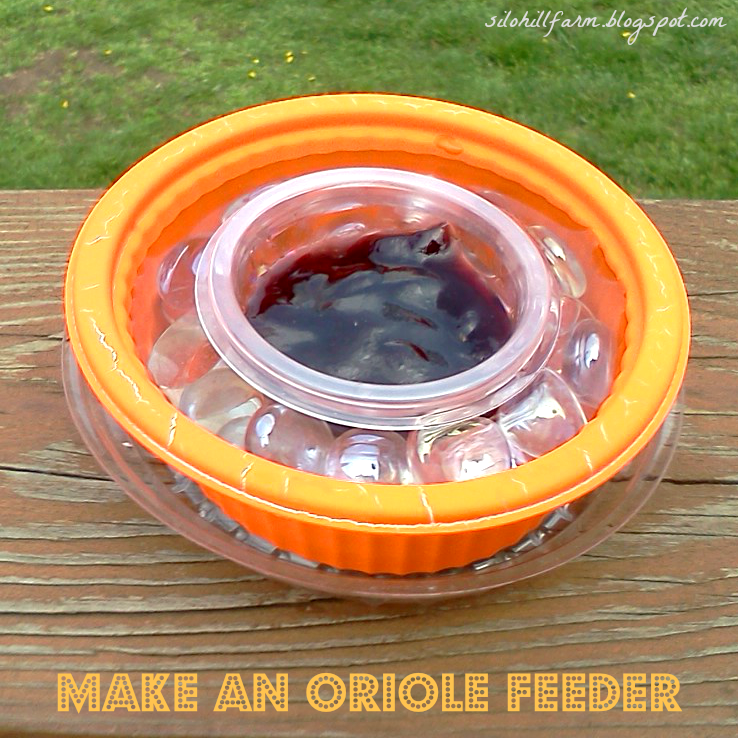
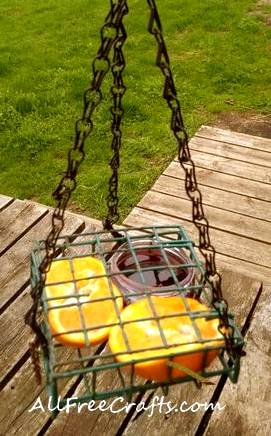
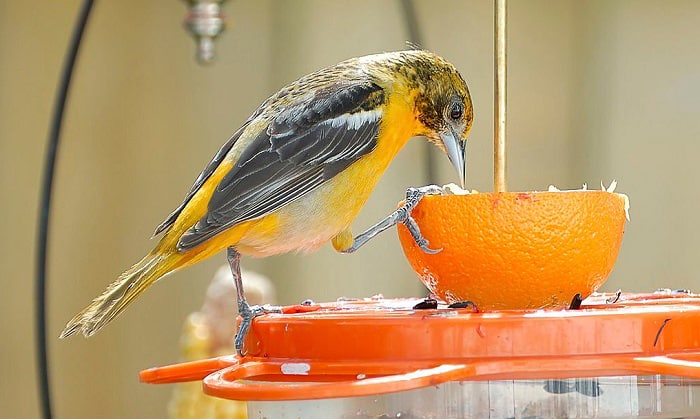
Once the solution is cool, fill the oriole feeder. Oriole feeders are typically bright orange or red to attract the birds. Hang the feeder in a visible location, away from dense foliage that predators could use for cover. Consider offering complementary food sources, such as halved oranges or grape jelly (ensure it is pure fruit jelly, without artificial sweeteners), near the feeder.
Tips and Common Mistakes
Avoid food coloring. It’s unnecessary and potentially harmful. Clean the feeder regularly. Empty and thoroughly clean the feeder with hot, soapy water every 2-3 days, especially during hot weather, to prevent mold and bacterial growth. Store excess solution properly. If making a larger batch, store the cooled solution in an airtight container in the refrigerator for up to a week. Discard any solution that appears cloudy or shows signs of mold. Location matters. Place the feeder in a location that is easy to monitor and replenish. Don’t use honey. Honey can promote the growth of harmful bacteria. Do not add preservatives. The solution should be fresh.
Explore More Cooking Guides
Learning how to make an oriole feeder recipe not only provides a safe and delicious food source for these beautiful birds but also offers a simple and rewarding way to connect with nature. Its ease of preparation, cost-effectiveness, and the joy of attracting orioles to the backyard make it a worthwhile endeavor. With the knowledge gained here, creating a welcoming haven for orioles is now within reach. Explore more guides on attracting and caring for backyard birds at website.com.
Preparation & Cooking Specifications
| Prep Step | Estimated Time | Chef’s Best Practice |
|---|---|---|
| Mise en Place & Chopping | 10 – 15 Minutes | Keep ingredients uniform for even cooking |
| Active Cooking / Searing | 15 – 25 Minutes | Preheat skillet thoroughly before adding oil |
| Resting & Plating | 5 Minutes | Allow juices to redistribute before slicing |
Images References
Looking for more delicious meal ideas? Explore our tested Special Recipes collection for easy, family-friendly recipes.
Images References