Introduction
Pastrami, a culinary treasure, owes much of its distinctive flavor and texture to the crucial step of brining. A well-executed pastrami brine recipe transforms a humble cut of beef into a succulent and flavorful delicacy. Rooted in Eastern European traditions, pastrami gained popularity in the United States, particularly in New York City delis. The brining process, a cornerstone of pastrami preparation, not only preserves the meat but also infuses it with a symphony of spices, creating the signature taste that defines this beloved dish. This article delves into the art and science of creating the perfect pastrami brine.
💡 Recipe Key Takeaways:
- Core Flavor: Easy-to-follow, delicious culinary preparation for Pastrami Brine Recipe.
- Target Scope: Quick weeknight family dinners, home cooking, and festive meal planning.
- Chef Tip: Prep all measured ingredients in advance (mise en place) to ensure even cooking and optimal texture.
Ingredients
The foundation of a good pastrami brine recipe lies in the quality and balance of its ingredients. Key components include: Water: The base of the brine, use filtered water for the purest flavor. Salt: Crucial for preservation and flavor enhancement. Kosher salt is recommended for its purity and consistent grain size. Sugar: Balances the saltiness and adds a subtle sweetness. Brown sugar contributes a deeper, more complex flavor. Curing Salt (Prague Powder #1): Contains sodium nitrite and is essential for the characteristic color and texture of pastrami, as well as for inhibiting bacterial growth. Use with caution and follow instructions precisely. Spices: The heart of the flavor profile. Common spices include coriander seeds, black peppercorns, mustard seeds, garlic, bay leaves, juniper berries, and allspice berries. Optional Additions: Some recipes include ingredients like honey, molasses, or pickling spice blends for added depth and complexity. Substitutions: Sea salt can replace kosher salt, adjusting the amount slightly by weight. Maple syrup can substitute brown sugar. The spice blend can be customized to personal preferences, but ensure a balance of warm and savory notes. Note that curing salt is not optional for proper pastrami production and safety. Related guide: Borderlands The Pre Sequal All Grinder Recipies.
Preparation Steps
Before immersing the meat in the pastrami brine recipe, some preliminary steps are essential for optimal flavor absorption. 1. Spice Preparation: Toast the whole spices (coriander, peppercorns, mustard seeds, juniper berries, allspice) in a dry skillet over medium heat for a few minutes, until fragrant. This releases their essential oils and intensifies their flavor. 2. Spice Grinding: Grind the toasted spices using a spice grinder or mortar and pestle. This creates a finer texture and allows the spices to fully infuse the brine. 3. Garlic Preparation: Smash or mince the garlic cloves. This releases their aromatic compounds and ensures even distribution throughout the brine. 4. Combining Ingredients: In a large, non-reactive pot (stainless steel or enamel-coated), combine the water, salt, sugar, curing salt, ground spices, minced garlic, and bay leaves. Tip: For optimal flavor infusion, consider making the brine at least 24 hours before adding the meat. This allows the spices to fully dissolve and meld together. Ensure all ingredients are thoroughly dissolved before proceeding. The water can be gently heated (do not boil) to aid in dissolving the salt and sugar.
Cooking Instructions
The cooking process for pastrami involves brining followed by smoking (or steaming) and slicing. This section focuses on the critical brining stage outlined within a pastrami brine recipe. 1. Cooling the Brine: Allow the brine to cool completely to room temperature. Adding the meat to a warm brine can promote bacterial growth and compromise food safety. 2. Submerging the Meat: Place the beef brisket (or navel) in the cooled brine, ensuring it is fully submerged. Use a weight (such as a plate or a sealed bag filled with water) to keep the meat submerged if necessary. 3. Brining Time: Refrigerate the meat in the brine for 7-10 days. This allows the brine to penetrate the meat thoroughly and impart its characteristic flavor. Turn the meat every 2-3 days to ensure even brining. 4. Rinsing: After the brining period, remove the meat from the brine and rinse it thoroughly under cold water. This removes excess salt from the surface. 5. Spice Rub (Optional): After rinsing, some recipes call for a spice rub similar to the brine ingredients. This intensifies the pastrami flavor during the smoking/cooking process. Apply a generous coat of coarsely ground black pepper and coriander. 6. Subsequent Cooking: The brined and rinsed meat will require additional cooking, traditionally smoked or steamed, to be considered finished pastrami. This step is critical, and this document only covers the “Pastrami Brine Recipe.” Note: Maintaining a consistent temperature during the brining process is essential. Use a reliable refrigerator and monitor the temperature regularly. Discard the brine after use. Remember to follow guidelines regarding safe meat handling to avoid contamination.
Serving Suggestions
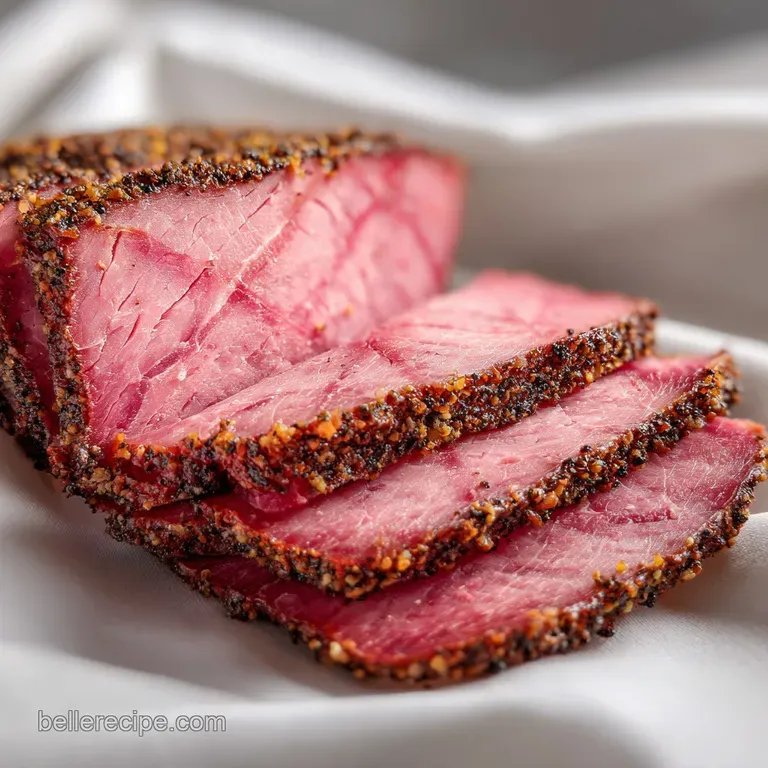
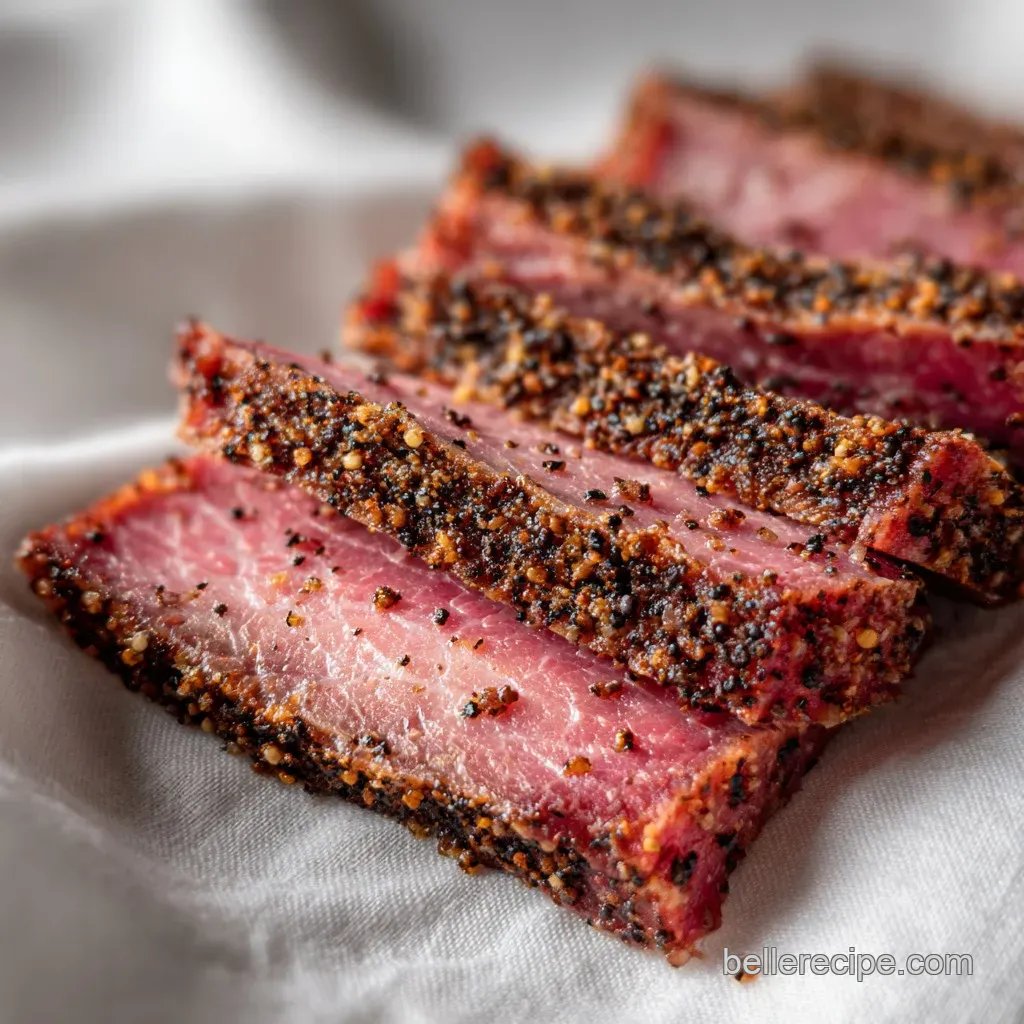
Once the pastrami is brined, smoked or steamed (according to the pastrami brine recipe preparation) and sliced, it is ready to be served. Popular serving suggestions include: Classic Deli Style: Thinly sliced pastrami stacked high on rye bread with mustard is the quintessential pastrami experience. Reuben Sandwich: Combine pastrami with Swiss cheese, sauerkraut, and Russian dressing on grilled rye bread for a classic Reuben. Pastrami on Rye with Coleslaw: Add a creamy coleslaw to the pastrami on rye for a refreshing and tangy contrast. Pastrami Hash: Dice the pastrami and combine it with potatoes, onions, and peppers for a hearty breakfast hash. Pastrami Pizza: Add thinly sliced pastrami as a topping to pizza for a savory and flavorful twist. Traditional accompaniments include dill pickles, potato salad, and macaroni salad.
Tips and Common Mistakes
To ensure success with the pastrami brine recipe , keep these tips in mind: Use Accurate Measurements: Precise measurements are crucial for achieving the desired flavor and texture. Use a kitchen scale for accurate ingredient measurements. Don’t Over-Salt: Over-salting is a common mistake. Start with the recommended amount of salt and adjust to taste, if necessary. Ensure Full Submersion: The meat must be fully submerged in the brine to ensure even flavor distribution and preservation. Use the Correct Curing Salt: Only use Prague Powder #1 (sodium nitrite) specifically designed for curing meats. Do not substitute other types of salt or curing agents. Using the incorrect curing salt could cause food poisoning. Monitor Temperature: Maintain a consistent refrigerator temperature (below 40F or 4C) during the brining process to prevent bacterial growth. Rinse Thoroughly: Rinse the meat thoroughly after brining to remove excess salt and prevent an overly salty final product. Do not reuse brine: Once the meat is removed from the brine, discard it. Do not reuse.
Explore More Cooking Guides
Mastering the pastrami brine recipe is a gateway to creating a truly authentic and flavorful pastrami. Its rich, savory flavor and cultural significance make it a rewarding culinary endeavor. This brining process provides a base to create a delicious, culturally valued meal. The knowledge gained in this guide can be adapted to suit individual preferences and occasions. Now is the time to embark on this culinary adventure and experience the satisfaction of homemade pastrami. Explore more cooking guides and recipes at website.com and unlock a world of culinary possibilities!
Preparation & Cooking Specifications
| Prep Step | Estimated Time | Chef’s Best Practice |
|---|---|---|
| Mise en Place & Chopping | 10 – 15 Minutes | Keep ingredients uniform for even cooking |
| Active Cooking / Searing | 15 – 25 Minutes | Preheat skillet thoroughly before adding oil |
| Resting & Plating | 5 Minutes | Allow juices to redistribute before slicing |
Images References
Looking for more delicious meal ideas? Explore our tested Special Recipes collection for easy, family-friendly recipes.
Images References