Introduction
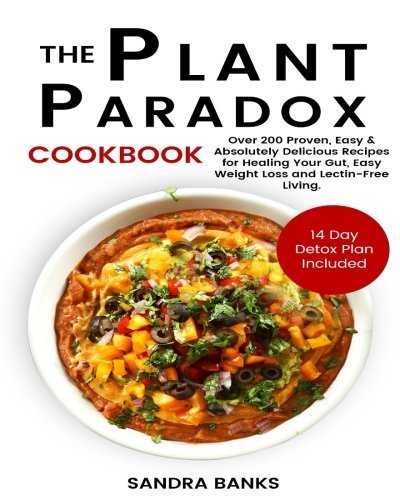
The Plant Paradox diet, popularized by Dr. Steven Gundry, emphasizes the avoidance of lectins, proteins found in many plants. Phase 1 of the Plant Paradox is designed as a cleanse, aimed at preparing the gut for the later phases. Consequently, the diet during this initial period is quite restrictive. Therefore, understanding how to prepare delicious and nutritious plant paradox phase 1 recipes is crucial for success. Many are drawn to this phase for its potential to reduce inflammation and improve overall well-being. The dishes are often cooked simply, focusing on foundational flavors and easily digestible ingredients.
💡 Recipe Key Takeaways:
- Core Flavor: Easy-to-follow, delicious culinary preparation for Plant Paradox Phase 1 Recipes.
- Target Scope: Quick weeknight family dinners, home cooking, and festive meal planning.
- Chef Tip: Prep all measured ingredients in advance (mise en place) to ensure even cooking and optimal texture.
Ingredients
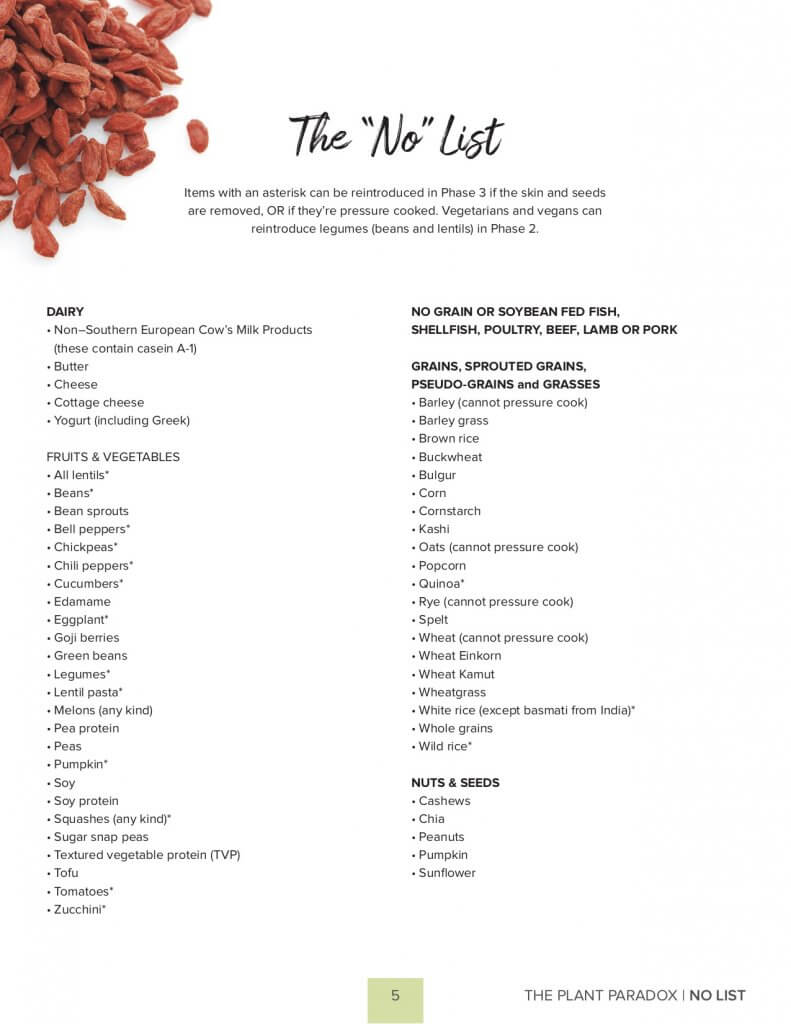
The cornerstone of plant paradox phase 1 recipes centers around limited ingredients. Key ingredients include leafy greens like spinach and kale, cruciferous vegetables such as broccoli and cauliflower (cooked until very soft), avocado, coconut oil, olive oil, and small amounts of lemon or lime juice for seasoning. Protein sources are limited but can include pressure-cooked lentils or peas. Herbs like parsley, cilantro, and basil are also allowed. Substitutions are limited, but one may opt for a different type of leafy green or cruciferous vegetable within the acceptable list. Be sure to avoid disallowed foods like grains, beans (unless pressure-cooked), nightshades (tomatoes, peppers, eggplants), and most fruits. Related guide: Rainier Cherry Recipes.
Preparation Steps
Thorough preparation is key to maximizing both flavor and digestibility in plant paradox phase 1 recipes. Begin by washing all vegetables meticulously. Cutting the vegetables into smaller, uniform pieces helps ensure even cooking. Soaking leafy greens in cold water can help revive them and remove any remaining dirt. Pre-soaking and pressure-cooking lentils or peas, if used, is essential for lectin reduction. Consider lightly massaging leafy greens with olive oil and lemon juice a few minutes before cooking; this helps to break down the cell walls and make them easier to digest.
Cooking Instructions
Several cooking methods are well-suited to plant paradox phase 1 recipes, each yielding unique textures and flavors. Steaming: Steaming is an excellent way to cook vegetables gently, preserving nutrients. Steam leafy greens or cruciferous vegetables until tender-crisp or very soft, depending on preference. A typical steaming time for broccoli florets is 5-7 minutes. Sauting: Sauting with coconut or olive oil allows vegetables to develop a slightly richer flavor. Heat the oil over medium heat, add the prepared vegetables, and cook, stirring frequently, until tender. Sauting spinach typically takes 2-3 minutes. Boiling: Boiling is a straightforward method, particularly for lentils or peas. Ensure the water is at a rolling boil before adding the ingredients, and cook until tender. Pressure-cooking dramatically reduces cooking time and lectin content. Roasting: While roasting might seem less common for Phase 1, carefully prepared cauliflower or broccoli can be roasted for added flavor. Toss with olive oil and herbs, and roast at 400F (200C) for 15-20 minutes, or until tender and slightly browned.
Serving Suggestions
Plant paradox phase 1 recipes are often served as simple, nourishing meals. Steamed greens can be drizzled with olive oil and lemon juice. Sauted vegetables make a great side dish to pressure-cooked lentils or peas. Avocado can be sliced and added to any dish for added healthy fats and creaminess. Think of these recipes as building blocks. Combine them to create a more substantial and satisfying meal. Adding fresh herbs like parsley or cilantro enhances the flavor and visual appeal.
Tips and Common Mistakes
Several tips can enhance the success of plant paradox phase 1 recipes. Overcooking vegetables can lead to a loss of nutrients and unpleasant texture; aim for tender-crisp or very soft, depending on preference. Avoid using high heat when sauting with olive oil, as it can damage the oil. Pressure-cooking legumes is critical for lectin reduction; ensure they are thoroughly cooked. One common mistake is not reading ingredient labels carefully, as many processed foods contain lectins or other disallowed ingredients. Proper preparation and thorough cooking are essential for optimal results.
Explore More Cooking Guides
Learning plant paradox phase 1 recipes provides a strong foundation for embarking on this dietary approach. Its focus on clean eating and gut health makes it a valuable tool for those seeking to improve their well-being. While initially restrictive, the recipes are adaptable to different tastes through varied herbs and spices. The principles of thorough preparation and proper cooking learned in this phase are invaluable for future dietary choices. Try these recipes at home to experience the potential benefits firsthand, and explore further cooking guides and resources at website.com for a deeper dive into healthy and lectin-light cooking.
Preparation & Cooking Specifications
| Prep Step | Estimated Time | Chef’s Best Practice |
|---|---|---|
| Mise en Place & Chopping | 10 – 15 Minutes | Keep ingredients uniform for even cooking |
| Active Cooking / Searing | 15 – 25 Minutes | Preheat skillet thoroughly before adding oil |
| Resting & Plating | 5 Minutes | Allow juices to redistribute before slicing |
Images References
Looking for more delicious meal ideas? Explore our tested Special Recipes collection for easy, family-friendly recipes.
Images References