Introduction
Pork shoulder, a flavorful and economical cut, transforms into a culinary masterpiece with the strategic application of an injection recipe. Originating from barbecue traditions, injecting pork shoulder allows for deep flavor penetration and enhanced moisture, resulting in a tender and succulent final product. This technique is embraced by both competitive cooks and backyard enthusiasts seeking to elevate their pork shoulder game.
💡 Recipe Key Takeaways:
- Core Flavor: Easy-to-follow, delicious culinary preparation for Pork Shoulder Injection Recipe.
- Target Scope: Quick weeknight family dinners, home cooking, and festive meal planning.
- Chef Tip: Prep all measured ingredients in advance (mise en place) to ensure even cooking and optimal texture.
Ingredients
The success of a pork shoulder injection recipe hinges on the quality and balance of its ingredients. Here’s a foundational recipe, with suggested substitutions:
For the Injection:
2 cups apple juice (or broth, or a combination)
1/2 cup apple cider vinegar (or white vinegar)
1/4 cup Worcestershire sauce
2 tablespoons brown sugar (or maple syrup)
2 tablespoons salt
1 tablespoon garlic powder
1 tablespoon onion powder
1 teaspoon black pepper
1 teaspoon smoked paprika (optional)
For the Pork Shoulder:
1 (8-10 pound) bone-in pork shoulder roast Dry rub of your choice (see variations below).. Related guide: New England Style American Chop Suey Recipe.
Preparation Steps
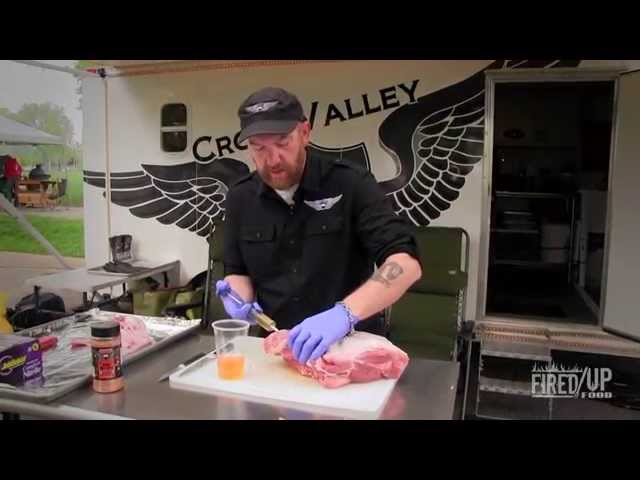
Proper preparation is key to ensuring the injection effectively permeates the pork shoulder. Begin by patting the pork shoulder dry with paper towels. This allows the dry rub to adhere better. Combine all injection ingredients in a saucepan over medium heat. Stir until sugar and salt are dissolved. Let cool completely. While the injection cools, trim any excess fat from the pork shoulder, leaving a thin layer for flavor. Lightly apply your preferred dry rub all over the pork shoulder, ensuring even coverage. Using a meat injector, carefully inject the cooled liquid into the pork shoulder, spacing injections about 1-2 inches apart. Aim for even distribution throughout the roast. Focus especially on the thicker parts. Let the injected and rubbed pork shoulder rest in the refrigerator for at least 4 hours, or preferably overnight, allowing the flavors to meld.
Cooking Instructions
Several cooking methods are suitable for transforming an injected pork shoulder into a tender and flavorful dish. Here are a few options:
Smoker (Recommended): Preheat smoker to 250F (121C). Place pork shoulder directly on the smoker grate. Smoke for approximately 8-12 hours, or until the internal temperature reaches 203F (95C). Use a reliable meat thermometer. Maintain a consistent temperature throughout the cooking process. Wrapping the pork shoulder in butcher paper (the “Texas Crutch”) after about 6 hours can help prevent the bark from becoming too dark and retain moisture.
Oven: Preheat oven to 300F (149C). Place pork shoulder in a roasting pan with a rack. Add about 1 cup of water or broth to the bottom of the pan. Cover tightly with foil. Bake for approximately 6-8 hours, or until the internal temperature reaches 203F (95C). Remove the foil during the last hour of cooking to allow the bark to develop.
Slow Cooker: Place pork shoulder in a slow cooker. Pour any remaining injection liquid over the pork. Cook on low for 8-10 hours, or on high for 4-6 hours, until the pork is easily shreddable.
Instant Pot: Cut the pork shoulder into large chunks to fit in the pot. Add 1 cup of water or broth. Cook on high pressure for 75-90 minutes, followed by a natural pressure release for at least 20 minutes. Once cooked, allow the pork shoulder to rest, loosely covered, for at least 30 minutes before shredding. This allows the juices to redistribute, resulting in a more tender and flavorful final product.
Serving Suggestions
Pulled pork from an injected pork shoulder is incredibly versatile. Here are a few serving suggestions:
Classic Pulled Pork Sandwiches: Serve on toasted buns with your favorite barbecue sauce and coleslaw.
Pulled Pork Tacos: Use pulled pork as a filling for tacos, topped with salsa, avocado, and cilantro.
Pulled Pork Nachos: Layer tortilla chips with pulled pork, cheese, beans, and your favorite nacho toppings.
Pulled Pork Bowls: Create a flavorful bowl with rice, pulled pork, black beans, corn, and a drizzle of barbecue sauce or chipotle mayo.
Side Dishes: Complement the pulled pork with classic barbecue sides such as coleslaw, baked beans, macaroni and cheese, and cornbread.
Tips and Common Mistakes
To achieve the best results with your pork shoulder injection recipe, keep these tips and common mistakes in mind:
Don’t Over-Inject: Too much injection can result in a mushy texture. Distribute the injection evenly and avoid injecting the same spot multiple times.
Cool the Injection: Injecting a warm liquid can partially cook the pork and negatively impact the texture. Ensure the injection is completely cool before using.
Use a Sharp Injector Needle: A dull needle can tear the meat and create larger injection holes. Replace the needle as needed.
Don’t Skip the Rest: Allowing the pork shoulder to rest after cooking is crucial for retaining moisture and maximizing tenderness.
Monitor Internal Temperature: Rely on a meat thermometer, not just cooking time, to determine doneness. The internal temperature should reach 203F (95C) for optimal shreddability.
Experiment with Flavors: Don’t be afraid to adjust the injection recipe to suit your taste preferences. Try adding different spices, herbs, or liquids.
Explore More Cooking Guides
Mastering the art of the pork shoulder injection recipe opens up a world of flavorful possibilities. The resulting tender, juicy, and deeply flavorful pork is a testament to the technique’s effectiveness. Its adaptability to various cuisines and serving styles makes it a crowd-pleasing dish for any occasion. Take the plunge, experiment with different flavors, and elevate your pork shoulder cooking to new heights. For more culinary inspiration and detailed cooking guides, visit website.com and unlock a world of delicious recipes.
Youtube Video:
Preparation & Cooking Specifications
| Prep Step | Estimated Time | Chef’s Best Practice |
|---|---|---|
| Mise en Place & Chopping | 10 – 15 Minutes | Keep ingredients uniform for even cooking |
| Active Cooking / Searing | 15 – 25 Minutes | Preheat skillet thoroughly before adding oil |
| Resting & Plating | 5 Minutes | Allow juices to redistribute before slicing |
Images References
Looking for more delicious meal ideas? Explore our tested Beef & Pork Recipes collection for easy, family-friendly recipes.