Introduction
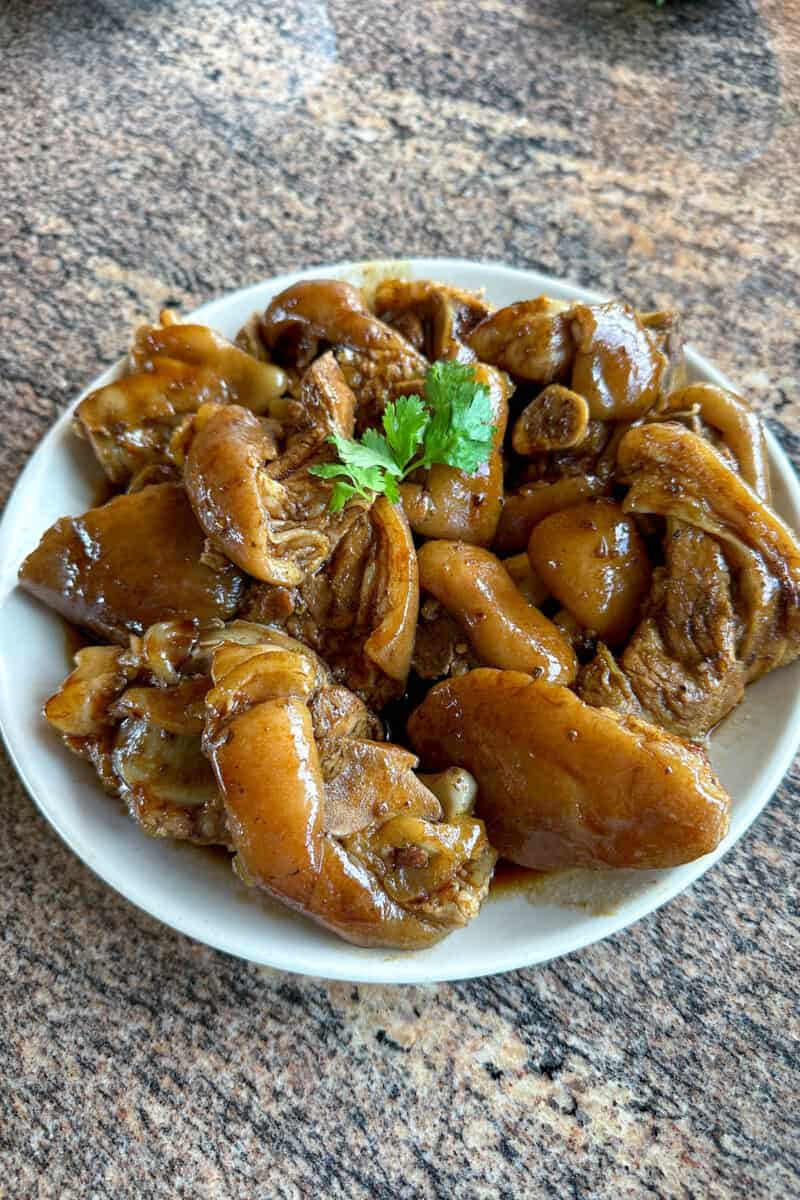
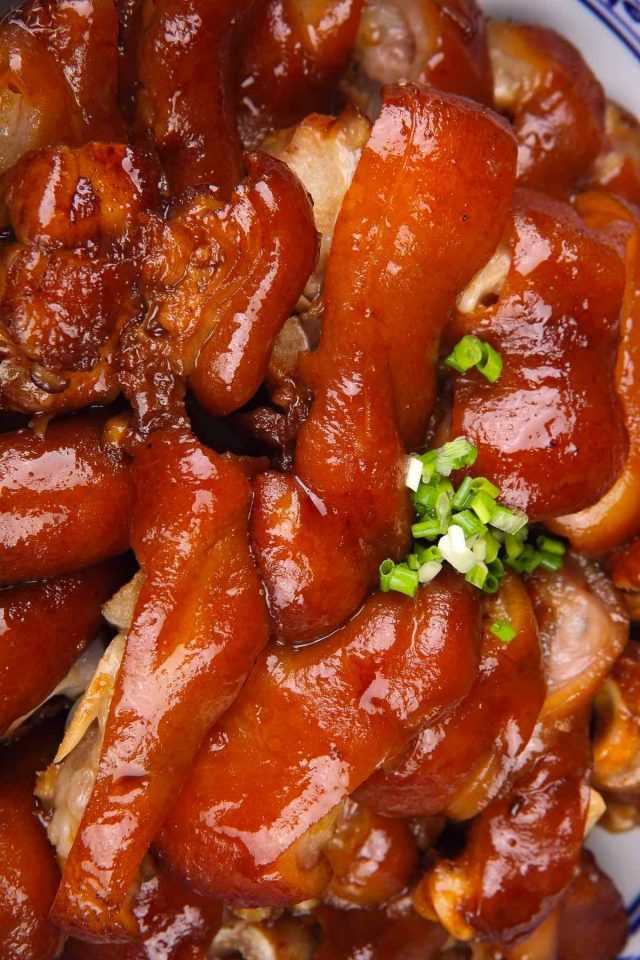
Pigs trotters, often overlooked, are a culinary delicacy enjoyed worldwide. Their rich collagen content, when cooked properly, transforms into a succulent, flavorful experience. The “recipe pigs trotters” represents more than just a dish; its a testament to nose-to-tail eating, showcasing the often-discarded parts of the animal. Historically, pigs trotters have been a staple in peasant cuisines, providing a nutritious and affordable source of protein and fat. Today, they are experiencing a resurgence in popularity, appearing on menus in upscale restaurants and in home kitchens of adventurous cooks eager to explore traditional and innovative preparations.
💡 Recipe Key Takeaways:
- Core Flavor: Easy-to-follow, delicious culinary preparation for Recipe Pigs Trotters.
- Target Scope: Quick weeknight family dinners, home cooking, and festive meal planning.
- Chef Tip: Prep all measured ingredients in advance (mise en place) to ensure even cooking and optimal texture.
Ingredients
The primary ingredient is, of course, pigs trotters. Look for fresh, clean trotters with minimal blemishes. The key ingredients are as follows: Pigs trotters: 4-6, depending on size. Aromatics: Onion (1 large, quartered), carrots (2, roughly chopped), celery stalks (2, roughly chopped), garlic cloves (4-6, crushed), bay leaves (2-3), black peppercorns (1 tablespoon). Liquid: Water or chicken broth to cover. For a richer flavor, consider a combination. Optional additions: Dried chilies, star anise, ginger slices, soy sauce, rice wine, vinegar (red or white), depending on the desired flavor profile. Salt: To taste. Substitutions are possible. Vegetable broth can replace chicken broth for a vegetarian option. Other aromatics can be used based on preference, such as leeks instead of onions, or different herbs like thyme or rosemary.. Related guide: Strongest Paper Mache Recipe.
Preparation Steps
Proper preparation is crucial for a successful “recipe pigs trotters”. Start by thoroughly washing the trotters under cold running water. Use a stiff brush to scrub away any dirt or debris. Inspect the trotters for any remaining hairs and remove them using a kitchen torch or tweezers. Next, soak the trotters in cold water for at least 4 hours, or preferably overnight, in the refrigerator. This helps to draw out impurities and tenderize the meat. Change the water several times during soaking. After soaking, drain the trotters and pat them dry. Some recipes call for cutting the trotters in half or into smaller pieces for easier handling and faster cooking. This is optional. Consider searing the trotters in a hot pan with a little oil before boiling. This adds depth of flavor through the Maillard reaction. However, this step is not essential.
Cooking Instructions
Several cooking methods are suitable for “recipe pigs trotters”, each yielding slightly different results. Boiling: This is the most common and straightforward method. Place the prepared trotters in a large pot and cover with water or broth. Add the aromatics (onion, carrots, celery, garlic, bay leaves, peppercorns). Bring the liquid to a boil, then reduce the heat to a simmer. Cover the pot and simmer for 3-4 hours, or until the trotters are very tender and the meat is easily pulled from the bone. Pressure Cooking: This method significantly reduces cooking time. Place the trotters, liquid, and aromatics in a pressure cooker. Cook on high pressure for 45-60 minutes, followed by a natural pressure release. Slow Cooking: This method results in extremely tender trotters. Place the trotters, liquid, and aromatics in a slow cooker. Cook on low for 8-10 hours, or on high for 4-6 hours. Braising: After boiling (or pressure cooking), trotters can be braised with wine, soy sauce, or other flavorful liquids. Remove cooked trotters from cooking liquid and place into a baking pan. Pour braising liquid over trotters, cover pan, and bake at 325F (160C) for 1 hour. For all methods, check for tenderness by piercing the trotters with a fork. The meat should be easily pierced and pull away from the bone. If the trotters are not tender enough, continue cooking for an additional 30 minutes. After cooking, allow the trotters to cool slightly in the cooking liquid. This helps them retain moisture.
Serving Suggestions
“Recipe pigs trotters” is a versatile dish that can be served in various ways. Some popular serving suggestions include: Served in their broth: The broth, enriched with collagen and aromatics, is delicious and nutritious. Serve the trotters in the broth as a hearty soup or stew. Fried: After boiling, the trotters can be breaded and fried for a crispy and flavorful treat. Grilled: Marinate boiled trotters in your favorite sauce and grill them for a smoky flavor. De-boned and added to other dishes: The tender meat can be removed from the bones and added to stews, tacos, or rice dishes. Aspic: The collagen-rich broth naturally sets into an aspic when chilled, creating a unique and flavorful cold dish. Traditional accompaniments include rice, noodles, vegetables, and dipping sauces. Consider pairing pigs trotters with pickled vegetables, chili sauce, or a simple soy sauce and vinegar dip. Garnishes such as chopped scallions, cilantro, or sesame seeds add visual appeal.
Tips and Common Mistakes
To ensure success with “recipe pigs trotters”, keep these tips in mind: Thorough cleaning is essential: Don’t skip the cleaning and soaking steps. Use enough liquid: Make sure the trotters are completely submerged in liquid during cooking. Don’t overcook: Overcooked trotters can become mushy. Check for tenderness regularly. Season generously: Pigs trotters can handle strong flavors. Don’t be afraid to experiment with different seasonings and sauces. * Common mistake: Not removing all the small bones after cooking, ensure to carefully remove ALL the bones before serving. A common mistake is not allowing enough time for cooking. Patience is key to achieving tender and flavorful pigs trotters. Another mistake is adding salt too early in the cooking process, which can toughen the meat. Add salt towards the end of cooking, or after the trotters are cooked.
Explore More Cooking Guides
Mastering “recipe pigs trotters” unlocks a world of culinary possibilities. The rich, savory flavor and unique texture of properly cooked trotters offer a rewarding and unforgettable dining experience. Beyond its deliciousness, this dish represents a connection to traditional cooking methods and sustainable eating practices. Whether adapted to classic recipes or incorporated into innovative dishes, pigs trotters provide a versatile and exciting ingredient. Unlock the secrets of braising, stewing, and simmering with this culinary adventure. Try making “recipe pigs trotters” at home, experiment with different flavors, and elevate your cooking skills. Explore more exciting and delicious cooking guides at website.com and discover a world of new culinary possibilities.
Preparation & Cooking Specifications
| Prep Step | Estimated Time | Chef’s Best Practice |
|---|---|---|
| Mise en Place & Chopping | 10 – 15 Minutes | Keep ingredients uniform for even cooking |
| Active Cooking / Searing | 15 – 25 Minutes | Preheat skillet thoroughly before adding oil |
| Resting & Plating | 5 Minutes | Allow juices to redistribute before slicing |
Images References
Looking for more delicious meal ideas? Explore our tested Special Recipes collection for easy, family-friendly recipes.
Images References