Introduction
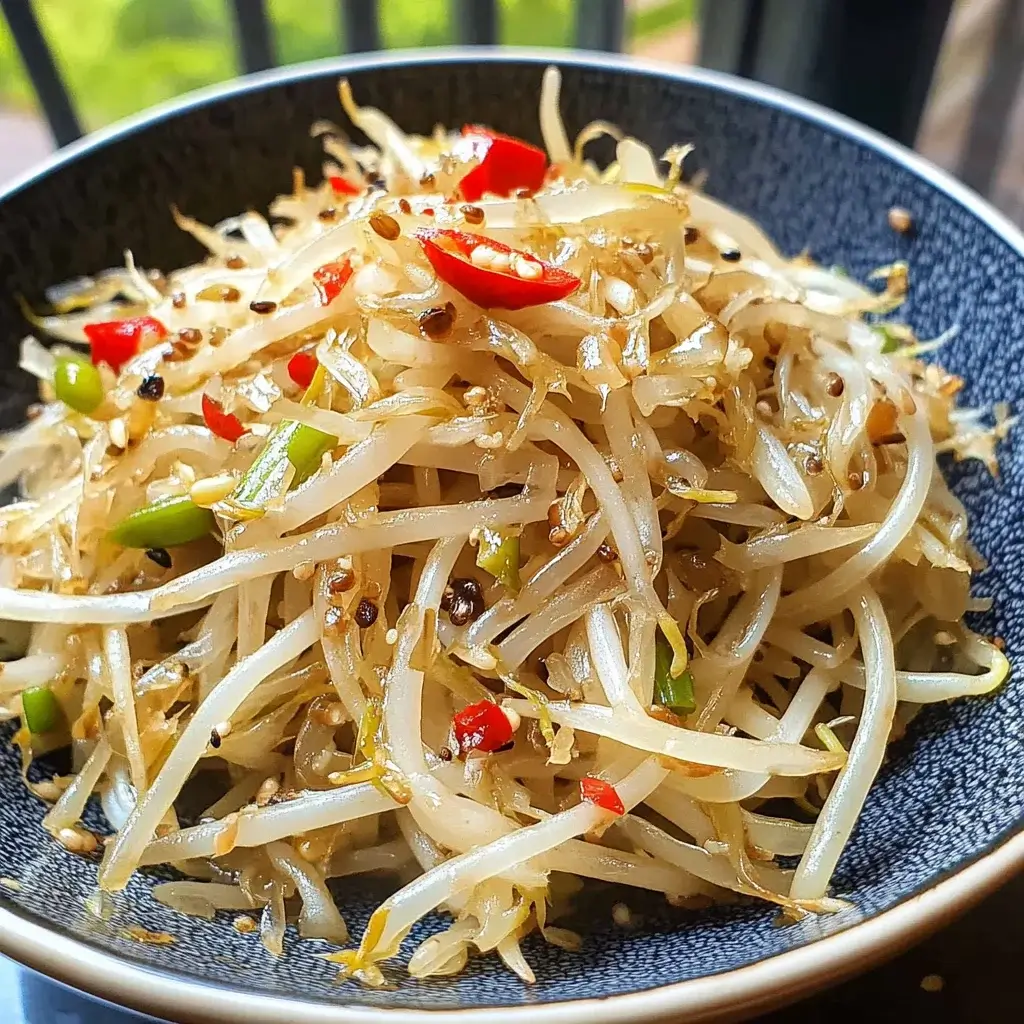
Mung bean sprouts, a staple in many Asian cuisines, are appreciated for their crisp texture, subtle flavor, and nutritional benefits. They are a readily available and affordable ingredient that can be incorporated into a wide variety of dishes, from stir-fries and salads to soups and spring rolls. Their mild taste makes them a versatile addition to both savory and spicy recipes, contributing a satisfying crunch and refreshing element. The relative ease and quickness of cooking mung bean sprouts further contributes to their widespread appeal.
💡 Recipe Key Takeaways:
- Core Flavor: Easy-to-follow, delicious culinary preparation for Recipes Mung Bean Sprouts.
- Target Scope: Quick weeknight family dinners, home cooking, and festive meal planning.
- Chef Tip: Prep all measured ingredients in advance (mise en place) to ensure even cooking and optimal texture.
Ingredients
The primary ingredient is, of course, fresh mung bean sprouts. Look for sprouts that are firm, white, and free from any signs of browning or sliminess. Other common ingredients used alongside mung bean sprouts depend on the specific recipe, but often include:. Related guide: Borderlands The Pre Sequal All Grinder Recipies.
- Oil: Vegetable oil, peanut oil, or sesame oil are commonly used for stir-frying.
- Aromatics: Garlic, ginger, and scallions are frequently used to add depth of flavor.
- Sauces: Soy sauce, oyster sauce, fish sauce (use sparingly), and chili sauce are used to create savory and/or spicy profiles.
- Vegetables: Carrots, bell peppers, onions, and leafy greens complement the sprouts well.
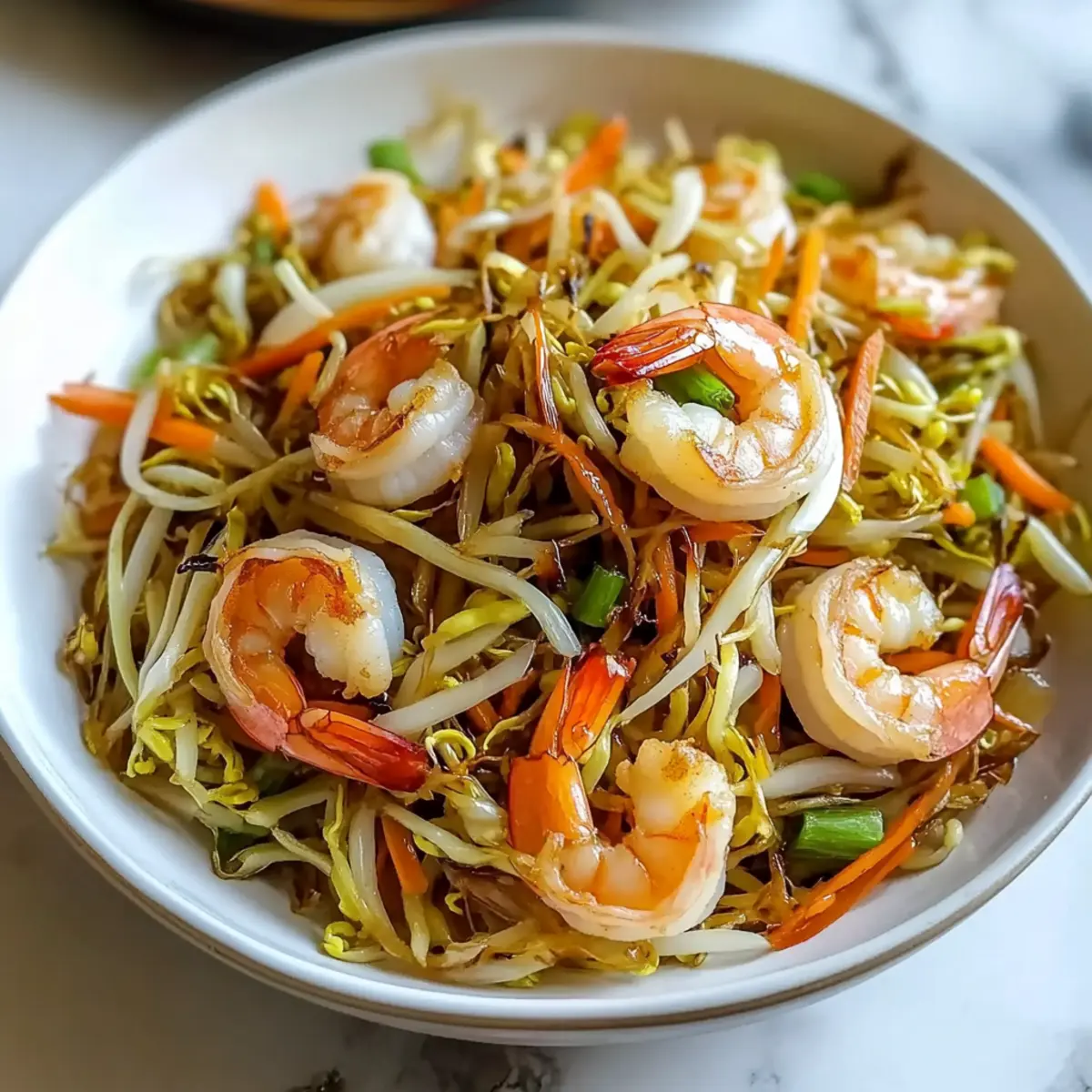
- Protein: Tofu, shrimp, chicken, beef, or pork can be added for a more substantial meal.
- Spices: White pepper, black pepper, red pepper flakes add heat and flavor.
For vegan or vegetarian dishes, vegetable broth can be used in place of chicken broth, and tofu can substitute for meat.
Preparation Steps
Proper preparation is key to ensuring the best texture and flavor in recipes using mung bean sprouts. Begin by thoroughly rinsing the sprouts under cold running water. This will remove any dirt or loose hulls. Carefully pick through the sprouts and discard any that are discolored or damaged. Many prefer to remove the root end of the sprout for a cleaner appearance and slightly improved texture, though this is optional. If using other vegetables, chop them into uniform sizes to ensure even cooking. Prepare any sauces or seasonings ahead of time to streamline the cooking process.
Cooking Instructions
Mung bean sprouts cook very quickly, and overcooking can result in a mushy texture. The ideal cooking method depends on the desired outcome: Stir-frying: This is a popular method for maintaining the sprouts’ crispness. Heat a wok or large skillet over high heat. Add oil, followed by aromatics such as garlic and ginger. Saut briefly until fragrant. Add any protein or vegetables that require longer cooking times. Once they are nearly cooked through, add the mung bean sprouts and sauces. Stir-fry for just 1-2 minutes, until the sprouts are heated through but still crisp. Boiling: Boiling is less common as it can easily lead to overcooked sprouts, but it’s acceptable for some soup recipes. If boiling, add the sprouts to boiling water or broth only for the last minute or two of cooking, until slightly softened but not mushy. Steaming: Steaming can also be used. Place the sprouts in a steamer basket over simmering water and steam for 2-3 minutes, until tender-crisp. No Cooking: In some cases, mung bean sprouts can be used raw in salads or spring rolls. Ensure the sprouts are thoroughly cleaned if consuming raw.
The goal is to cook the sprouts just enough to heat them through and slightly soften them while retaining their characteristic crunch. Avoid prolonged cooking at high temperatures to prevent them from becoming soggy.
Serving Suggestions
Mung bean sprouts are incredibly versatile and can be incorporated into a variety of dishes. They are a classic addition to stir-fries, such as Pad Thai and Chow Mein. They can be tossed into salads for added crunch and freshness. Mung bean sprouts are also commonly used as a filling for spring rolls, both fresh and fried. They can be added to soups and stews for a subtle flavor and texture boost. Consider adding them to omelets or frittatas for a healthy and flavorful breakfast. Some popular accompaniments include soy sauce, chili oil, sriracha, and sesame seeds. They pair well with noodles, rice, and a variety of vegetables and proteins.
Tips and Common Mistakes
To achieve the best results when cooking with mung bean sprouts, keep the following tips in mind: Don’t overcook: This is the most common mistake. Cook sprouts for a very short time to maintain their crispness. Use high heat: Stir-frying works best at high heat to quickly cook the sprouts without making them soggy. Prepare ingredients in advance: Because the cooking time is so short, have all your ingredients prepped and ready to go before you start cooking. Don’t overcrowd the pan: Overcrowding the pan will lower the temperature and steam the sprouts instead of stir-frying them. Cook in batches if necessary. Rinse thoroughly: Make sure to rinse the sprouts well to remove any dirt or debris. Store properly: Store uncooked mung bean sprouts in the refrigerator in a plastic bag or container lined with a paper towel to absorb excess moisture. Use within a few days for best quality.
Explore More Cooking Guides
Learning how to properly cook mung bean sprouts unlocks a world of culinary possibilities. Their subtle flavor, satisfying crunch, and nutritional benefits make them a valuable addition to a wide range of dishes. The versatility of mung bean sprouts allows for endless adaptation to different tastes and dietary preferences. Whether you are a seasoned home cook or just starting your culinary journey, mastering the art of cooking mung bean sprouts will undoubtedly enhance your cooking repertoire. So, try recipes mung bean sprouts at home, experiment with different flavors and textures, and discover your own favorite way to enjoy this delightful ingredient. For more inspiration and detailed cooking guides, visit website.com and explore a treasure trove of culinary knowledge.
Preparation & Cooking Specifications
| Prep Step | Estimated Time | Chef’s Best Practice |
|---|---|---|
| Mise en Place & Chopping | 10 – 15 Minutes | Keep ingredients uniform for even cooking |
| Active Cooking / Searing | 15 – 25 Minutes | Preheat skillet thoroughly before adding oil |
| Resting & Plating | 5 Minutes | Allow juices to redistribute before slicing |
Images References
Looking for more delicious meal ideas? Explore our tested Special Recipes collection for easy, family-friendly recipes.
Images References