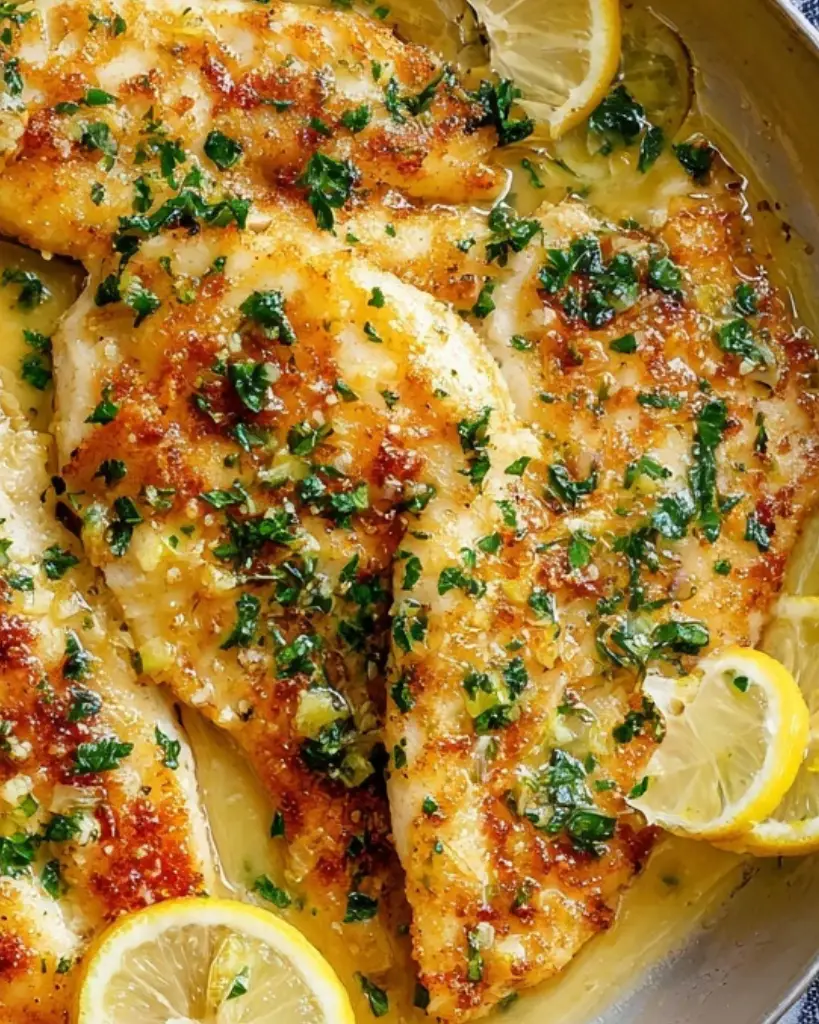
Introduction
Turbot, a prized flatfish celebrated for its delicate flavor and firm, flaky texture, is a culinary treasure gracing tables worldwide. Renowned for its versatility and subtly sweet taste, turbot lends itself to a variety of cooking methods, making it a favorite among both seasoned chefs and home cooks. Its popularity stems from its ability to absorb flavors beautifully while maintaining its inherent elegance, making it a centerpiece for memorable meals. This article delves into the art of preparing exquisite “recipes with turbot”, focusing on techniques, timings, and tips for achieving culinary perfection.
💡 Recipe Key Takeaways:
- Core Flavor: Easy-to-follow, delicious culinary preparation for Recipes With Turbot.
- Target Scope: Quick weeknight family dinners, home cooking, and festive meal planning.
- Chef Tip: Prep all measured ingredients in advance (mise en place) to ensure even cooking and optimal texture.
Ingredients
The beauty of turbot lies in its ability to shine with simple ingredients. A classic preparation often includes: fresh turbot fillets (skin on or off, depending on preference); olive oil or butter; lemon juice; salt and freshly ground black pepper; fresh herbs such as thyme, rosemary, or parsley. For variations, consider: white wine; shallots; garlic; capers; vegetables like asparagus, potatoes, or green beans. Cod or halibut can be considered as a substitute but be aware they have different textures and flavour profiles to turbot. Related guide: Copycat Siete Taco Season Mix.
Preparation Steps
Proper preparation is key to enhancing turbot’s natural flavors. Begin by rinsing the turbot fillets under cold running water and patting them dry with paper towels. This ensures even cooking and prevents steaming. Check for any stray bones using your fingertips or tweezers. Season generously with salt and freshly ground black pepper. For a richer flavor, marinate the fillets in a mixture of olive oil, lemon juice, and chopped herbs for 15-30 minutes before cooking. This allows the flavors to penetrate the fish, resulting in a more complex and aromatic dish. Cutting the fillets into portion sizes before cooking ensures even cooking and easy serving.
Cooking Instructions
Turbot’s delicate nature requires careful cooking. Several methods yield excellent results:
- Pan-Seared Turbot: Heat olive oil or butter in a non-stick skillet over medium-high heat. Place the turbot fillets, skin-side down (if using skin-on fillets), in the hot pan. Sear for 3-4 minutes until the skin is crispy and golden brown. Flip the fillets and cook for another 2-3 minutes, or until the fish is opaque and flakes easily with a fork. The internal temperature should reach 145F (63C).
- Baked Turbot: Preheat oven to 375F (190C). Place turbot fillets in a baking dish, drizzle with olive oil, and season with salt, pepper, and herbs. Bake for 12-15 minutes, or until the fish is cooked through. A squeeze of lemon juice before serving brightens the flavor.
- Grilled Turbot: Preheat grill to medium heat. Lightly brush turbot fillets with olive oil and season with salt, pepper, and herbs. Grill for 3-5 minutes per side, or until the fish is cooked through and has grill marks. Use a fish basket to prevent the delicate fillets from falling apart.
- Poached Turbot: Gently simmer turbot fillets in a broth of water, white wine, herbs, and aromatics over low heat. Poach for 5-7 minutes, or until the fish is cooked through. This method yields a very tender and moist result.
Serving Suggestions
Turbot’s elegant flavor pairs well with a variety of accompaniments. A classic pairing is steamed asparagus with hollandaise sauce or simply a squeeze of lemon juice. Roasted potatoes, creamy mashed potatoes, or risotto provide a comforting base. For a lighter option, consider a fresh green salad with a vinaigrette dressing. Garnish with fresh herbs such as parsley, dill, or chives to add visual appeal and enhance the aroma. Plating turbot with colorful vegetables and a bright sauce creates a visually stunning and delicious dish.
Tips and Common Mistakes
To elevate the “recipes with turbot” experience, consider these tips:
- Don’t Overcook: Turbot is delicate and dries out easily. Use a thermometer to ensure it reaches an internal temperature of 145F (63C).
- Use Fresh Ingredients: The flavor of turbot shines best when paired with fresh, high-quality ingredients.
- Pat Dry: Drying the fillets before cooking ensures a better sear and prevents steaming.
- Avoid Crowding the Pan: When pan-searing, cook the fillets in batches to maintain the pan’s temperature and achieve a proper sear.
A common mistake is overcrowding the pan when searing, this lowers the temperature and leads to steaming rather than searing.
Explore More Cooking Guides
Mastering the art of “recipes with turbot” unlocks a world of culinary possibilities. Its delicate flavor and versatility make it a canvas for creativity, allowing for countless adaptations to suit various tastes and occasions. From simple weeknight dinners to elegant dinner parties, turbot is a versatile and delicious choice. Its cultural significance, admired taste and ease of preparation make it a worthwhile addition to any home cook’s repertoire. Embark on your culinary journey, try it at home, and explore more cooking guides at website.com to elevate your cooking skills!
Preparation & Cooking Specifications
| Prep Step | Estimated Time | Chef’s Best Practice |
|---|---|---|
| Mise en Place & Chopping | 10 – 15 Minutes | Keep ingredients uniform for even cooking |
| Active Cooking / Searing | 15 – 25 Minutes | Preheat skillet thoroughly before adding oil |
| Resting & Plating | 5 Minutes | Allow juices to redistribute before slicing |
Images References
Looking for more delicious meal ideas? Explore our tested Special Recipes collection for easy, family-friendly recipes.