Introduction
The reverse sear prime rib recipe has gained immense popularity among home cooks and culinary enthusiasts alike. This method involves slow-roasting the prime rib at a low temperature until it reaches the desired internal temperature, followed by a quick, high-heat sear to develop a flavorful crust. The result is a uniformly cooked roast with a beautifully browned exterior. Often prepared for special occasions and holidays, the reverse sear method offers consistent results and enhanced flavor compared to traditional roasting techniques.
💡 Recipe Key Takeaways:
- Core Flavor: Easy-to-follow, delicious culinary preparation for Reverse Sear Prime Rib Recipe.
- Target Scope: Quick weeknight family dinners, home cooking, and festive meal planning.
- Chef Tip: Prep all measured ingredients in advance (mise en place) to ensure even cooking and optimal texture.
Ingredients
The key ingredient is a bone-in or boneless prime rib roast (standing rib roast), typically ranging from 3 to 7 ribs. Other essential ingredients include coarse sea salt, freshly ground black pepper, garlic powder, onion powder, dried thyme, dried rosemary, and olive oil or beef tallow. For a richer flavor, consider adding a dry rub containing smoked paprika, brown sugar, or mustard powder. Substitutions can be made based on preference; for example, fresh herbs like rosemary and thyme can replace the dried versions, or garlic paste can substitute garlic powder. Related guide: Strongest Paper Mache Recipe.
Preparation Steps
Begin by patting the prime rib roast dry with paper towels. This ensures a better sear. Trim excess fat, leaving a thin layer (about 1/4 inch) for flavor and moisture. In a small bowl, combine the salt, pepper, garlic powder, onion powder, thyme, and rosemary. Generously rub the mixture all over the prime rib, ensuring even coverage. Wrap the seasoned roast tightly in plastic wrap and refrigerate for at least 24 hours, or up to 48 hours, to allow the flavors to penetrate the meat. Before cooking, remove the roast from the refrigerator and let it sit at room temperature for at least 2 hours. This allows for more even cooking.
Cooking Instructions
Preheat the oven to 250F (120C). Place the prime rib, fat-side up, on a roasting rack inside a roasting pan. Insert a meat thermometer into the thickest part of the roast, being careful not to touch any bones. Cook the roast until it reaches the desired internal temperature: 120-125F (49-52C) for rare, 130-135F (54-57C) for medium-rare, or 140-145F (60-63C) for medium. Cooking time will vary depending on the size of the roast; a general guideline is about 20-25 minutes per pound for rare. Once the roast reaches the desired temperature, remove it from the oven and let it rest, uncovered, for at least 30 minutes. While the roast rests, increase the oven temperature to 500F (260C) or preheat a cast-iron skillet on the stovetop over high heat. Add a tablespoon of olive oil or beef tallow to the skillet. Sear the prime rib on all sides, including the ends, for 2-3 minutes per side, until a deep brown crust forms. Remove from heat and let rest for another 10 minutes before carving.
Serving Suggestions
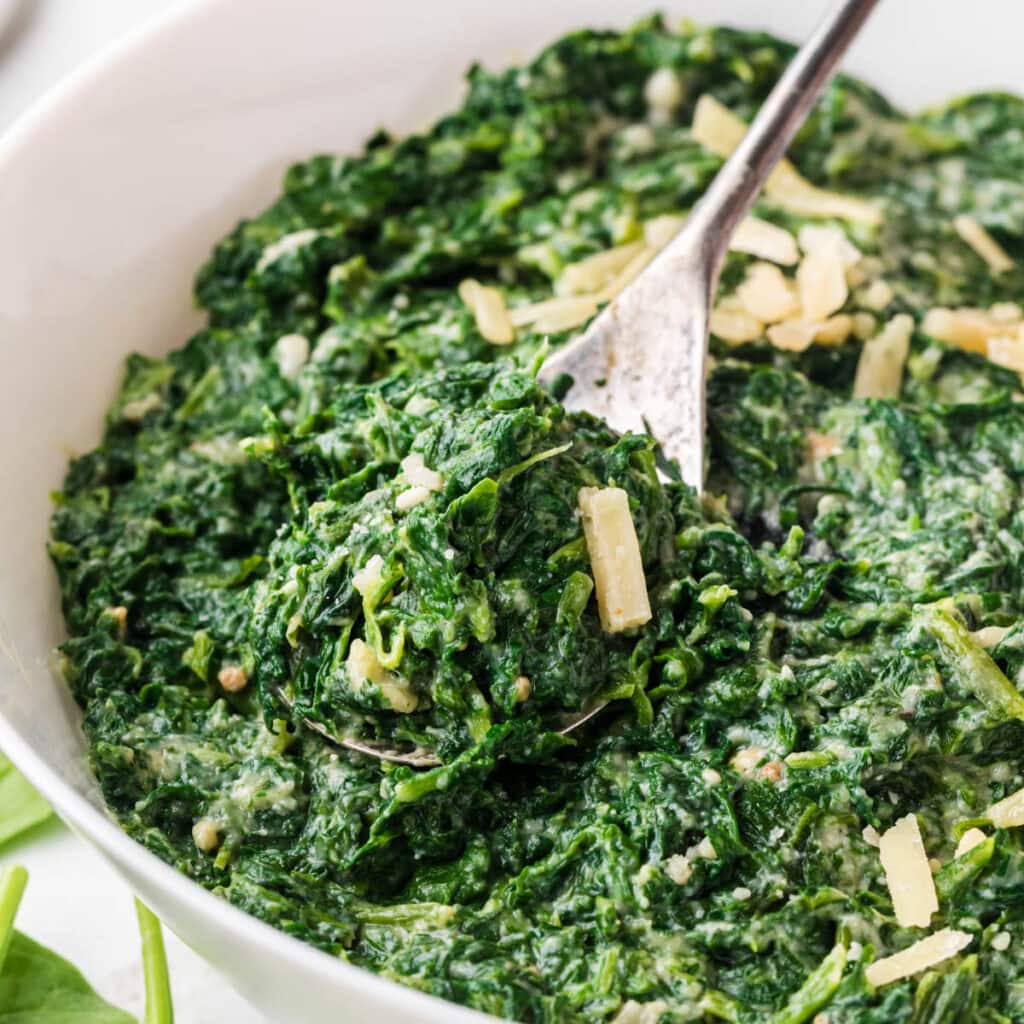
Carve the prime rib against the grain into slices of desired thickness. Serve immediately. Traditional accompaniments include Yorkshire pudding, mashed potatoes, creamed spinach, au jus (made from the pan drippings), and horseradish sauce. Other suitable side dishes are roasted vegetables (such as asparagus, Brussels sprouts, or carrots), garlic bread, or a simple green salad. Garnish with fresh herbs like parsley or rosemary for added visual appeal.
Tips and Common Mistakes
Ensure the meat thermometer is accurate; use an instant-read thermometer to verify. Avoid overcooking the roast during the low-temperature cooking phase; it’s better to err on the side of undercooking, as the searing process will raise the internal temperature slightly. Do not skip the resting periods; they are crucial for allowing the juices to redistribute throughout the meat, resulting in a more tender and flavorful roast. When searing, ensure the pan or oven is hot enough to achieve a good crust without overcooking the center. A common mistake is using a dull knife for carving; a sharp carving knife is essential for clean, even slices. If using a bone-in roast, consider asking the butcher to detach the bones and tie them back on with butcher’s twine. This makes carving easier after cooking.
Explore More Cooking Guides
Mastering the reverse sear prime rib recipe unlocks a new level of culinary confidence, offering a foolproof way to achieve restaurant-quality results at home. Its rich flavor and impressive presentation make it a centerpiece for any special occasion, adaptable to individual preferences with variations in seasonings and side dishes. Embark on this culinary adventure, impress your guests, and elevate your cooking skills. Discover more detailed cooking guides and recipes at website.com.
Preparation & Cooking Specifications
| Prep Step | Estimated Time | Chef’s Best Practice |
|---|---|---|
| Mise en Place & Chopping | 10 – 15 Minutes | Keep ingredients uniform for even cooking |
| Active Cooking / Searing | 15 – 25 Minutes | Preheat skillet thoroughly before adding oil |
| Resting & Plating | 5 Minutes | Allow juices to redistribute before slicing |
Images References
Looking for more delicious meal ideas? Explore our tested Special Recipes collection for easy, family-friendly recipes.