Introduction
Rosh Hashanah, the Jewish New Year, is a time for celebration, reflection, and delicious food. Among the most cherished traditions is the Rosh Hashanah dinner, a feast filled with symbolic foods meant to usher in a sweet new year. Central to this celebration are time-honored recipes passed down through generations, often featuring apples, honey, and other ingredients representing hopes for prosperity and happiness. This article provides a comprehensive guide to creating a memorable Rosh Hashanah dinner, focusing on classic dishes and offering practical cooking instructions for home cooks of all skill levels.
💡 Recipe Key Takeaways:
- Core Flavor: Easy-to-follow, delicious culinary preparation for Rosh Hashanah Dinner Recipes.
- Target Scope: Quick weeknight family dinners, home cooking, and festive meal planning.
- Chef Tip: Prep all measured ingredients in advance (mise en place) to ensure even cooking and optimal texture.
Ingredients
A traditional Rosh Hashanah dinner often includes the following key ingredients:
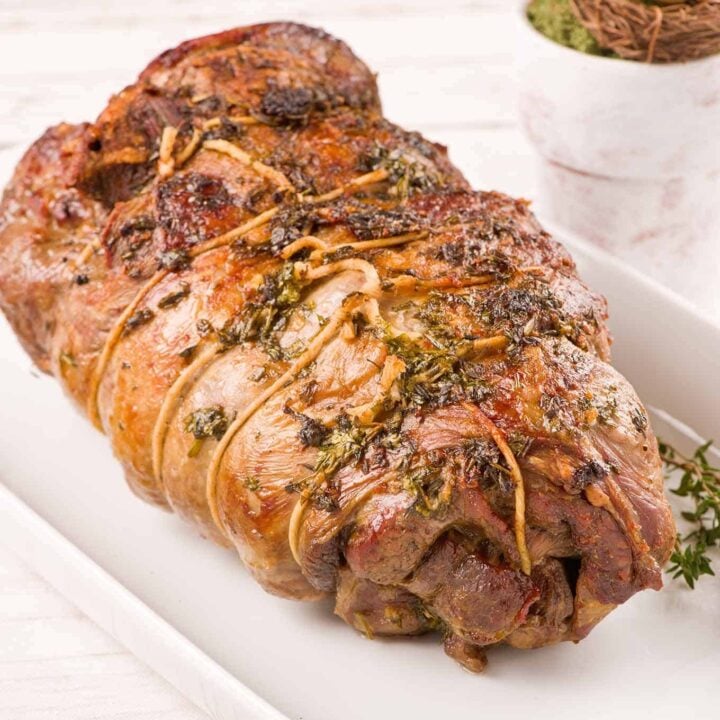
- Brisket: A large cut of beef, typically chuck or point cut, known for its rich flavor when slow-cooked. A good substitute is a beef roast, such as a rump roast.
- Honey: A symbol of sweetness for the new year. It’s used in sauces, marinades, and as a dipping sauce for apples. Maple syrup can be used as an alternative.
- Apples: Often served with honey, representing the hope for a sweet year. Any variety of apple can be used, but Honeycrisp or Gala apples are popular choices.
- Carrots: The Yiddish word for carrot, “mehren,” also means “to increase,” symbolizing abundance.
- Potatoes: A versatile and comforting staple often roasted or mashed. Yukon Gold potatoes are ideal for their creamy texture.
- Onions: Used as a base for many sauces and stews, adding depth and flavor.
- Garlic: Enhances the flavor of savory dishes.
- Dried Fruit (Optional): Such as apricots, prunes, or raisins, added to stews or kugels for sweetness and texture.
- Spices and Herbs: Common choices include cinnamon, cloves, bay leaves, thyme, and rosemary.
Preparation Steps
Proper preparation is crucial for a successful Rosh Hashanah dinner. Here are some key steps:
- Brisket Preparation: Trim excess fat from the brisket, leaving a thin layer for flavor. Pat the brisket dry with paper towels. Season generously with salt, pepper, garlic powder, and onion powder. Marinating the brisket overnight in a mixture of honey, soy sauce, and spices can enhance its flavor and tenderness.
- Vegetable Preparation: Wash, peel (if desired), and chop the vegetables. Carrots are often sliced into rounds or coins. Onions should be diced or sliced. Potatoes can be cubed or left whole, depending on the recipe.
- Apple Preparation: Wash and core the apples. Slice them into wedges for dipping in honey or dice them for use in salads or desserts.
Tip: Prepare ingredients in advance to streamline the cooking process. Chopping vegetables and marinating the brisket the day before can save significant time on the day of the dinner. Related guide: Botw Royal Recipe.
Cooking Instructions
This section outlines cooking instructions for classic Rosh Hashanah dishes.
1. Honey-Glazed Brisket
- Sear the Brisket: Heat a large Dutch oven over medium-high heat. Add oil. Sear the brisket on all sides until browned. This step helps to develop a rich, flavorful crust.
- Saut Aromatics: Remove the brisket and set aside. Add diced onions and garlic to the Dutch oven and saut until softened, about 5-7 minutes.
- Add Liquid and Spices: Pour in beef broth, honey, tomato paste, and any other desired spices (such as cinnamon, cloves, or bay leaves). Bring the mixture to a simmer.
- Braise the Brisket: Return the brisket to the Dutch oven, ensuring it is mostly submerged in the liquid. Cover the Dutch oven and transfer it to a preheated oven at 325F (160C).
- Cooking Time: Braise the brisket for 3-4 hours, or until it is fork-tender. Check the brisket periodically and add more broth if necessary to prevent it from drying out.
- Rest and Slice: Remove the brisket from the Dutch oven and let it rest for at least 30 minutes before slicing against the grain. This allows the juices to redistribute, resulting in a more tender and flavorful brisket.
- Thicken the Sauce: While the brisket is resting, strain the braising liquid and skim off any excess fat. Return the liquid to the Dutch oven and simmer until it thickens into a rich sauce.
2. Roasted Carrots with Honey and Thyme
- Prepare the Carrots: Peel and slice the carrots into rounds or batons.
- Toss with Seasoning: In a bowl, toss the carrots with olive oil, honey, fresh thyme, salt, and pepper.
- Roast: Spread the carrots in a single layer on a baking sheet. Roast in a preheated oven at 400F (200C) for 20-25 minutes, or until tender and slightly caramelized.
3. Apple Cake
- Mix Dry Ingredients: In a large bowl, whisk together flour, baking powder, baking soda, salt, and cinnamon.
- Mix Wet Ingredients: In a separate bowl, whisk together eggs, sugar, oil, vanilla extract, and orange juice.
- Combine: Gradually add the dry ingredients to the wet ingredients, mixing until just combined. Do not overmix.
- Add Apples: Fold in diced apples.
- Bake: Pour the batter into a greased and floured baking pan. Bake in a preheated oven at 350F (175C) for 45-55 minutes, or until a toothpick inserted into the center comes out clean.
Serving Suggestions
A Rosh Hashanah dinner is best served family-style, allowing everyone to enjoy a variety of dishes. Here are some serving suggestions:
- Brisket: Slice the brisket thinly against the grain and arrange it on a platter. Drizzle with the thickened sauce.
- Roasted Carrots: Serve the roasted carrots as a side dish, garnished with fresh thyme.
- Apple Cake: Slice the apple cake and serve it warm or at room temperature. Consider adding a scoop of vanilla ice cream or a dollop of whipped cream.
- Traditional Accompaniments: Apples and honey, challah bread (round for Rosh Hashanah), and pomegranate seeds are traditional accompaniments.
- Side Dishes: Consider adding mashed potatoes, quinoa salad, or green beans to round out the meal.
Tips and Common Mistakes
Here are some useful tips and common mistakes to avoid when preparing a Rosh Hashanah dinner:
- Don’t Overcook the Brisket: Overcooked brisket can become dry and tough. Cook it until it is fork-tender, but not falling apart.
- Rest the Brisket: Resting the brisket after cooking is crucial for retaining its juices and ensuring tenderness.
- Taste and Adjust Seasoning: Taste the braising liquid and adjust the seasoning as needed. Add more salt, pepper, honey, or spices to suit your preferences.
- Use High-Quality Ingredients: Using high-quality ingredients will result in a more flavorful and delicious meal.
- Plan Ahead: Preparing as much as possible in advance will reduce stress on the day of the dinner.
Explore More Cooking Guides
Learning to prepare a Rosh Hashanah dinner is a rewarding experience, offering the opportunity to share delicious food and cultural traditions with loved ones. The rich flavors, symbolic ingredients, and comforting dishes create a memorable celebration. Each recipe can be adapted to suit individual tastes and preferences, making this meal a versatile and meaningful tradition. Try these recipes at home and explore more cooking guides at website.com to enhance culinary skills and expand cooking knowledge.
Preparation & Cooking Specifications
| Prep Step | Estimated Time | Chef’s Best Practice |
|---|---|---|
| Mise en Place & Chopping | 10 – 15 Minutes | Keep ingredients uniform for even cooking |
| Active Cooking / Searing | 15 – 25 Minutes | Preheat skillet thoroughly before adding oil |
| Resting & Plating | 5 Minutes | Allow juices to redistribute before slicing |
Images References
Looking for more delicious meal ideas? Explore our tested Special Recipes collection for easy, family-friendly recipes.