Introduction
The pursuit of effective and eco-friendly weed control methods has led many to explore homemade solutions, and the “salt and vinegar weed killer recipe” has emerged as a popular option. This approach leverages the natural properties of common household ingredients to desiccate unwanted plants. While not a traditional culinary recipe, its ‘cooking’ process involves precise mixing and application to achieve the desired outcome: the eradication of weeds.
💡 Recipe Key Takeaways:
- Core Flavor: Easy-to-follow, delicious culinary preparation for Salt And Vinegar Weed Killer Recipe.
- Target Scope: Quick weeknight family dinners, home cooking, and festive meal planning.
- Chef Tip: Prep all measured ingredients in advance (mise en place) to ensure even cooking and optimal texture.
Ingredients
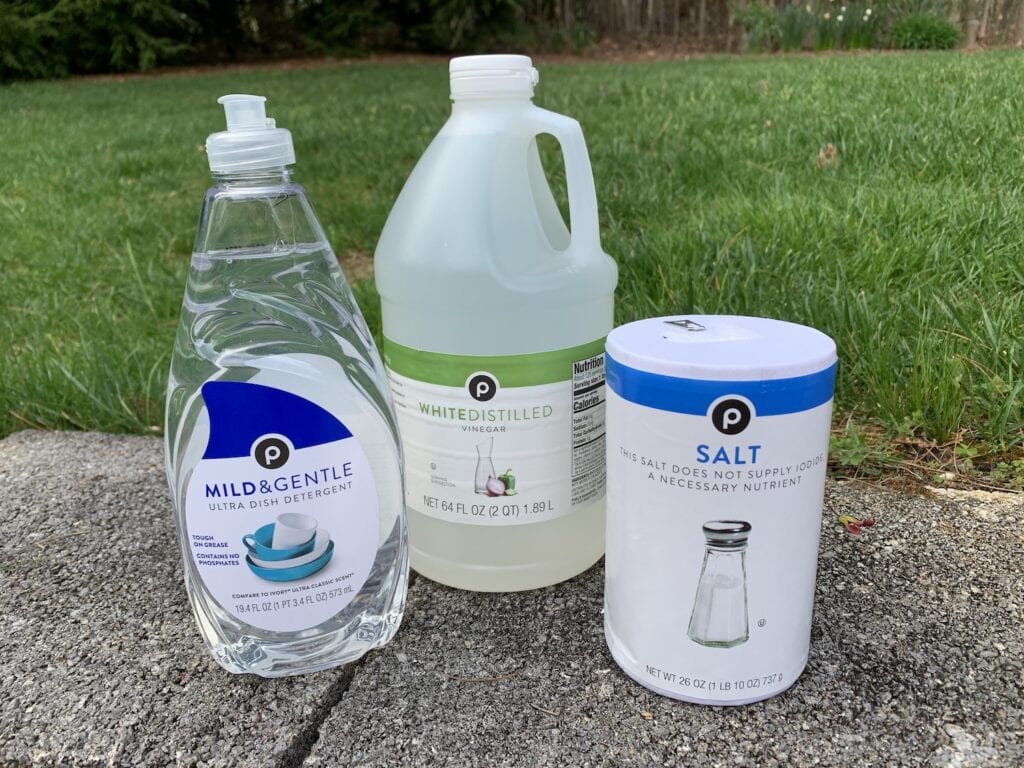
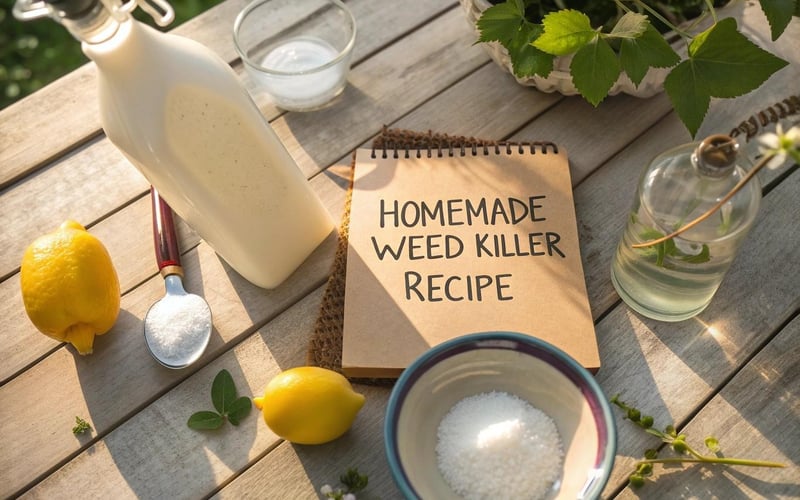
The key ingredients for a salt and vinegar weed killer recipe are: White Vinegar: A standard 5% acidity vinegar is commonly used. Horticultural vinegar (20% acidity) is significantly stronger and can be used with greater caution. Table Salt: Sodium chloride, readily available and acts as a desiccant. Dish Soap (Optional): A surfactant that helps the mixture adhere to the weed’s surface. Water (Optional): To dilute the solution, particularly when using high-acidity vinegar. Related guide: Borderlands The Pre Sequal All Grinder Recipies.
Preparation Steps
Before mixing, ensure the area to be treated is dry and will remain dry for several hours. Gather the necessary ingredients and a mixing container (plastic or glass). A spray bottle is essential for application. There is no cutting, washing, or marinating involved in the traditional sense. The preparation primarily involves gathering the ingredients and equipment.
Cooking Instructions
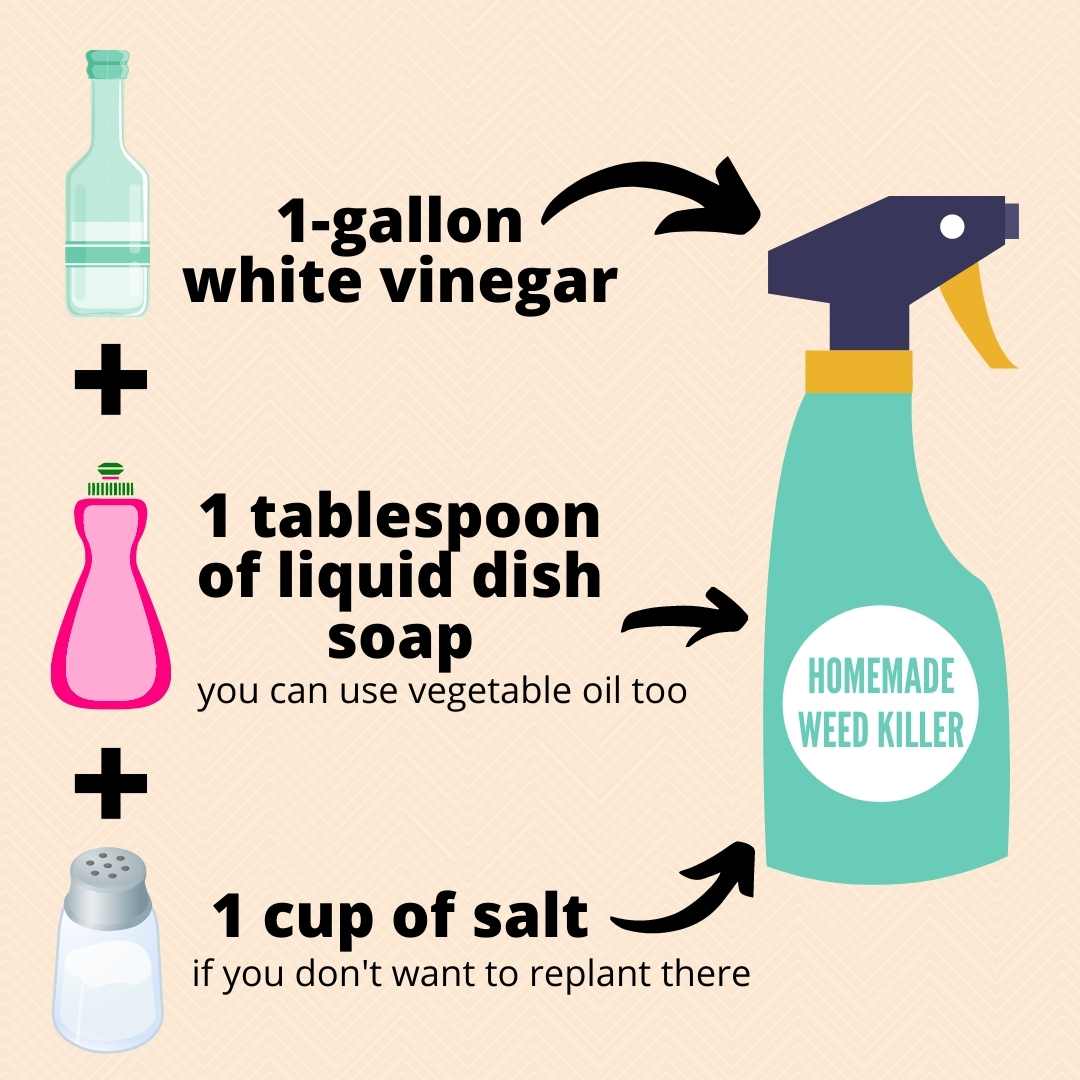
The “cooking” process here refers to the careful mixing of ingredients. Avoid using metal containers as the vinegar can react with certain metals. 1. Ratio: A common starting ratio is 1 gallon of white vinegar, 1 cup of salt, and 1 tablespoon of dish soap. 2. Mixing: In the mixing container, add the salt to the vinegar. Stir thoroughly until the salt is completely dissolved. This may take a few minutes. 3. Soap Addition: Gently stir in the dish soap. Avoid creating excessive foam. 4. Application: Pour the mixture into a spray bottle. Apply directly to the foliage of the weeds, being careful to avoid contact with desirable plants. 5. Timing: Apply on a sunny, dry day for best results. The sunlight will help to enhance the desiccation process. Repeat applications may be necessary for persistent weeds.
Serving Suggestions
The salt and vinegar weed killer recipe is not for consumption. There are no traditional accompaniments, side dishes, garnishes, or plating ideas associated with its application. It serves solely as an herbicide for weed control.
Tips and Common Mistakes
To enhance the effectiveness and safety of the salt and vinegar weed killer recipe, consider the following tips: Concentration: Higher concentrations of vinegar and salt will be more effective, but also more likely to harm surrounding plants. Start with a weaker solution and increase the concentration as needed. Weather: Apply on a dry, sunny day with no rain in the forecast for at least 24 hours. Rain will dilute the solution and reduce its effectiveness. Targeted Application: Use a spray bottle with a nozzle that allows for precise application to avoid overspray onto desirable plants. Soil Salinization: Repeated use of salt-based weed killers can lead to soil salinization, which can inhibit plant growth. Use sparingly. Protective Gear: Wear gloves and eye protection when mixing and applying the solution. Vinegar and salt can be irritating to the skin and eyes. Common Mistakes: Using Too Much Salt: Excess salt can sterilize the soil, preventing anything from growing in that area. Spraying on Windy Days: Wind can carry the solution to unintended areas, harming desirable plants. Ignoring the Roots: While this mixture kills the foliage, it may not kill the roots of perennial weeds. Regular applications or alternative methods may be necessary to eliminate the entire plant.
Explore More Cooking Guides
The “salt and vinegar weed killer recipe” provides a simple and potentially effective way to manage weeds using readily available household ingredients. Its environmentally conscious approach appeals to those seeking alternatives to chemical herbicides. While not a culinary delight, this approach can be customized to suit specific weed types and environmental conditions. However, its crucial to consider its potential impact on soil and surrounding vegetation. For other helpful information around the house, be sure to check out our other tips and tricks at website.com!
Preparation & Cooking Specifications
| Prep Step | Estimated Time | Chef’s Best Practice |
|---|---|---|
| Mise en Place & Chopping | 10 – 15 Minutes | Keep ingredients uniform for even cooking |
| Active Cooking / Searing | 15 – 25 Minutes | Preheat skillet thoroughly before adding oil |
| Resting & Plating | 5 Minutes | Allow juices to redistribute before slicing |
Images References
Looking for more delicious meal ideas? Explore our tested Special Recipes collection for easy, family-friendly recipes.
Images References