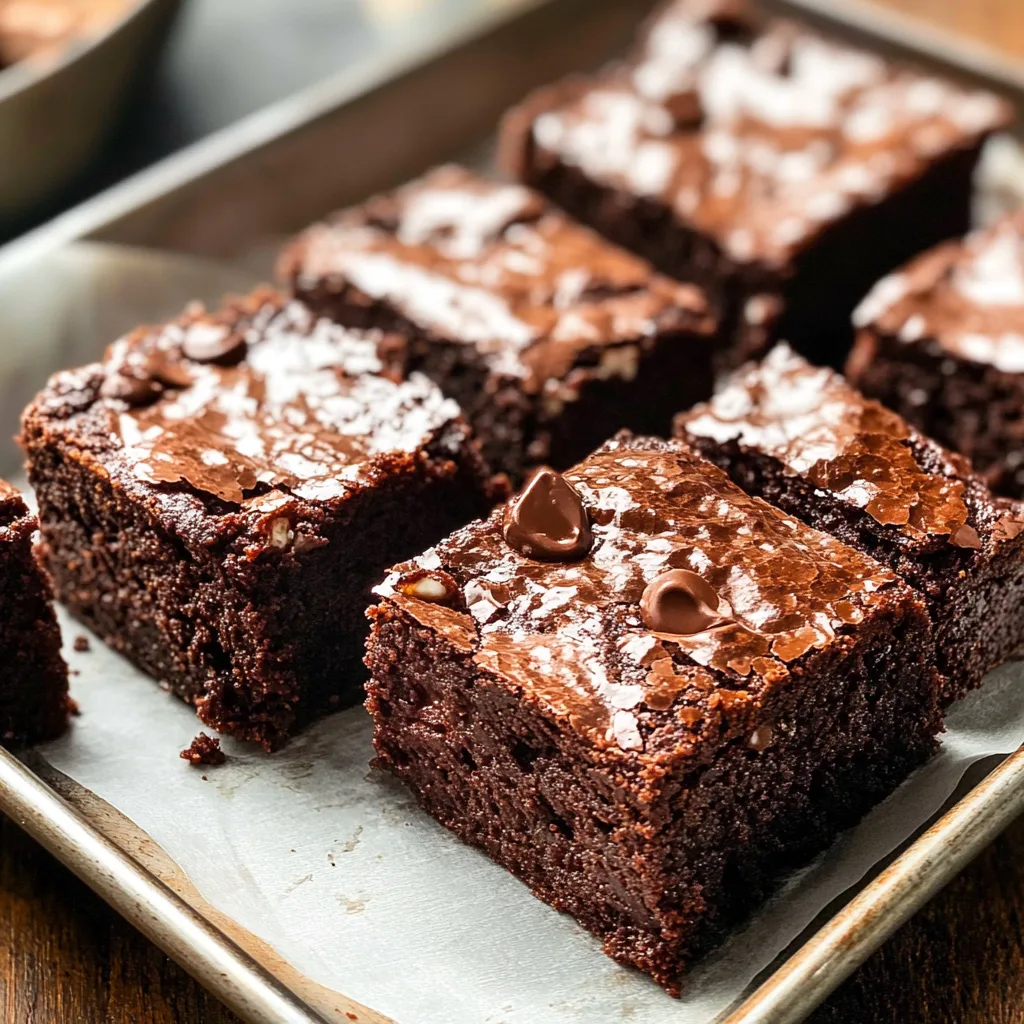
Introduction
Swans Down Cake Flour is a staple in many kitchens, celebrated for its ultra-fine texture and ability to produce exceptionally tender and light cakes. This low-protein flour ensures a delicate crumb, making it a favorite for baking recipes where a soft, airy texture is desired. Swans Down Cake Flour Recipes are widely cooked, from classic vanilla cakes to intricate layered desserts, due to the superior results it delivers. Its long-standing reputation for quality contributes to its popularity among home bakers and professional pastry chefs alike.
💡 Recipe Key Takeaways:
- Core Flavor: Easy-to-follow, delicious culinary preparation for Swans Cake Flour Recipes.
- Target Scope: Quick weeknight family dinners, home cooking, and festive meal planning.
- Chef Tip: Prep all measured ingredients in advance (mise en place) to ensure even cooking and optimal texture.
Ingredients
The essential ingredient, of course, is Swans Down Cake Flour. Beyond that, the typical cake recipe will include:. Related guide: Old Fashioned Apple Turnover.
- Swans Down Cake Flour: Provides the fine texture.
- Sugar: Sweetens and tenderizes. Granulated sugar is most common.
- Eggs: Add richness, structure, and moisture.
- Butter or Oil: Contributes to flavor and moistness. Unsalted butter allows better control over the overall salt content.
- Milk or Buttermilk: Adds moisture and helps activate leavening agents. Buttermilk adds a slight tang and extra tenderness.
- Leavening Agent (Baking Powder or Baking Soda): Creates rise and lightness.
- Salt: Enhances the flavors of the other ingredients.
- Vanilla Extract (or other flavorings): Adds depth of flavor.
Substitutions are generally not recommended for the cake flour itself as it’s the key to the recipe’s success. However, if needed, a homemade substitute can be made by measuring out all-purpose flour, removing 2 tablespoons per cup, and replacing it with 2 tablespoons of cornstarch. This will mimic the lower protein content of cake flour. For dairy alternatives, unsweetened almond milk or soy milk can often be used successfully.
Preparation Steps
Proper preparation is crucial for achieving the best results with Swans Down Cake Flour Recipes. Here are some essential steps:
- Measure Ingredients Accurately: Cake baking is precise, so use measuring cups and spoons correctly. For flour, spoon it lightly into the measuring cup and level off with a straight edge. Avoid scooping directly from the bag, which can compact the flour.
- Sift Dry Ingredients: Sifting the Swans Down Cake Flour with baking powder, baking soda, and salt ensures that these ingredients are evenly distributed and that the flour is light and airy. This step is vital for preventing lumps and creating a uniform texture.
- Cream Butter and Sugar (if applicable): If the recipe calls for creaming butter and sugar, do this until the mixture is light and fluffy. This process incorporates air, which contributes to the cake’s rise and texture.
- Combine Wet and Dry Ingredients Gradually: Add the dry ingredients to the wet ingredients in increments, mixing until just combined. Avoid overmixing, as this can develop the gluten in the flour and result in a tough cake.
- Prepare Baking Pan: Grease and flour the baking pan thoroughly to prevent the cake from sticking. Alternatively, use parchment paper to line the bottom of the pan.
A helpful tip is to bring all ingredients to room temperature before starting. This allows them to combine more easily and evenly, resulting in a better batter consistency.
Cooking Instructions
The ideal cooking method for Swans Down Cake Flour Recipes is baking. Here’s a step-by-step guide:
- Preheat Oven: Preheat the oven to the temperature specified in the recipe, usually between 325F (160C) and 350F (175C). Accurate oven temperature is crucial for even baking.
- Pour Batter into Pan: Pour the prepared batter into the greased and floured baking pan, spreading it evenly.
- Bake: Bake for the time specified in the recipe. Baking times vary depending on the size and shape of the pan. Typically, a standard cake bakes for 30-40 minutes.
- Check for Doneness: To check if the cake is done, insert a toothpick into the center. If it comes out clean or with a few moist crumbs, the cake is ready.
- Cool: Let the cake cool in the pan for 10-15 minutes before inverting it onto a wire rack to cool completely. This prevents the cake from sticking and allows it to retain its shape.
The recommended temperatures and times are guidelines and can vary based on oven performance. Monitor the cake closely and adjust baking time as needed. A slight reduction in temperature may be necessary for darker pans to prevent over-browning.
Serving Suggestions
Swans Down Cake Flour Recipes produce cakes that are delicious on their own, but they can also be elevated with various serving suggestions:
- Frosting: Pair the cake with a classic buttercream, cream cheese frosting, or chocolate ganache.
- Glaze: A simple glaze made from powdered sugar and milk adds a touch of sweetness and elegance.
- Fresh Fruit: Serve slices of cake with fresh berries, whipped cream, or a fruit compote.
- Ice Cream: A scoop of vanilla or strawberry ice cream complements the delicate flavor of the cake.
- Dusting: Simply dusting the cake with powdered sugar provides an elegant and understated presentation.
For a more elaborate presentation, consider layering the cake with fillings such as pastry cream, fruit preserves, or chocolate mousse. Garnishes like edible flowers, chocolate shavings, or chopped nuts add visual appeal.
Tips and Common Mistakes
To enhance the flavor and texture of Swans Down Cake Flour Recipes and avoid common mistakes, consider the following tips:
- Avoid Overmixing: Overmixing develops gluten and results in a tough cake. Mix until just combined.
- Use Room Temperature Ingredients: Room temperature ingredients combine more easily and create a smoother batter.
- Measure Accurately: Baking is precise, so use measuring cups and spoons correctly.
- Do Not Overbake: Overbaking dries out the cake. Check for doneness using a toothpick.
- Cool Completely: Allow the cake to cool completely before frosting to prevent the frosting from melting.
- Sift Flour: Sifting ensures even distribution of leavening agents and prevents lumps.
A common mistake is opening the oven door frequently during baking. This can cause the oven temperature to fluctuate and affect the cake’s rise and texture. Avoid opening the door unless necessary to check for doneness. Also, ensure the oven is properly preheated before placing the cake inside.
Explore More Cooking Guides
Learning to master Swans Down Cake Flour Recipes unlocks a world of baking possibilities, from creating flawlessly tender cakes to impressing with delicately textured desserts. Its flavor and lightness are unparalleled, providing a foundation for endless variations to suit any taste or occasion. This versatile ingredient invites culinary exploration and promises consistently delightful results. Embark on a baking journey and try these recipes at home, then explore more exciting cooking guides at website.com for inspiration and expertise.
Preparation & Cooking Specifications
| Prep Step | Estimated Time | Chef’s Best Practice |
|---|---|---|
| Mise en Place & Chopping | 10 – 15 Minutes | Keep ingredients uniform for even cooking |
| Active Cooking / Searing | 15 – 25 Minutes | Preheat skillet thoroughly before adding oil |
| Resting & Plating | 5 Minutes | Allow juices to redistribute before slicing |
Images References
Looking for more delicious meal ideas? Explore our tested Desserts & Baking collection for easy, family-friendly recipes.