Introduction
Swans Down Cake Flour holds a revered place in the baking world, particularly when crafting delicate and tender cakes. Its finely milled texture, derived from soft wheat, results in a lower protein content compared to all-purpose flour. This reduced protein development during mixing minimizes gluten formation, contributing to the light and airy crumb that defines exceptional cakes. Swans Down Cake Flour recipes are commonly sought after to achieve a superior texture in baked goods, especially those where tenderness is paramount, such as angel food cake, chiffon cake, and delicate sponge cakes. The legacy of Swans Down extends back over a century, establishing it as a trusted brand for bakers aiming for perfection.
💡 Recipe Key Takeaways:
- Core Flavor: Easy-to-follow, delicious culinary preparation for Swans Down Cake Flour Recipes.
- Target Scope: Quick weeknight family dinners, home cooking, and festive meal planning.
- Chef Tip: Prep all measured ingredients in advance (mise en place) to ensure even cooking and optimal texture.
Ingredients
The core ingredient, of course, is Swans Down Cake Flour. However, a standard vanilla cake recipe will also require:. Related guide: Old Fashioned Apple Turnover.
- Swans Down Cake Flour: Provides the tender crumb.
- Granulated Sugar: For sweetness and moisture.
- Baking Powder: Leavening agent for rise.
- Salt: Enhances flavors and balances sweetness.
- Unsalted Butter: Adds richness and flavor; should be softened.
- Eggs: Provide structure and richness; should be at room temperature.
- Milk or Buttermilk: Adds moisture and helps activate gluten. Buttermilk contributes a slight tang.
- Vanilla Extract: Flavoring agent. Consider almond extract for a variation.
For substitutions: If Swans Down is unavailable, a mixture of all-purpose flour and cornstarch (1 cup all-purpose flour minus 2 tablespoons, plus 2 tablespoons cornstarch) can approximate its properties, though the result may not be quite as tender.
Preparation Steps
Before embarking on the baking process, meticulous preparation is key. Begin by accurately measuring all ingredients. Precise measurements are crucial for successful cake baking, especially when using cake flour. Soften the butter to room temperature for optimal creaming. Sift the Swans Down Cake Flour with the baking powder and salt at least twice. This ensures even distribution of the leavening and aerates the flour, contributing to a lighter texture. Line the cake pan(s) with parchment paper and grease the sides to prevent sticking and ensure easy release after baking. Preheat the oven to the specified temperature well in advance to guarantee even cooking.
Cooking Instructions
Creating a delicious cake using Swans Down Cake Flour is a rewarding process:
- Cream Butter and Sugar: In a large bowl, cream together the softened butter and granulated sugar until light and fluffy. This incorporates air into the batter, essential for a light cake.
- Add Eggs: Beat in the eggs one at a time, mixing well after each addition. Ensure the eggs are fully incorporated.
- Combine Dry and Wet Ingredients: Gradually add the sifted dry ingredients to the wet ingredients, alternating with the milk or buttermilk. Begin and end with the dry ingredients. Mix until just combined. Overmixing develops gluten, resulting in a tougher cake.
- Add Vanilla Extract: Stir in the vanilla extract.
- Pour into Pan: Pour the batter into the prepared cake pan(s), spreading evenly.
- Bake: Bake in the preheated oven at 350F (175C) for approximately 30-35 minutes for standard layer cakes, or until a wooden skewer inserted into the center comes out clean. Baking time can vary depending on the size of the pan and oven calibration. For cupcakes, the baking time will be shorter, around 18-22 minutes.
- Cool: Let the cake cool in the pan for 10-15 minutes before inverting it onto a wire rack to cool completely.
Serving Suggestions
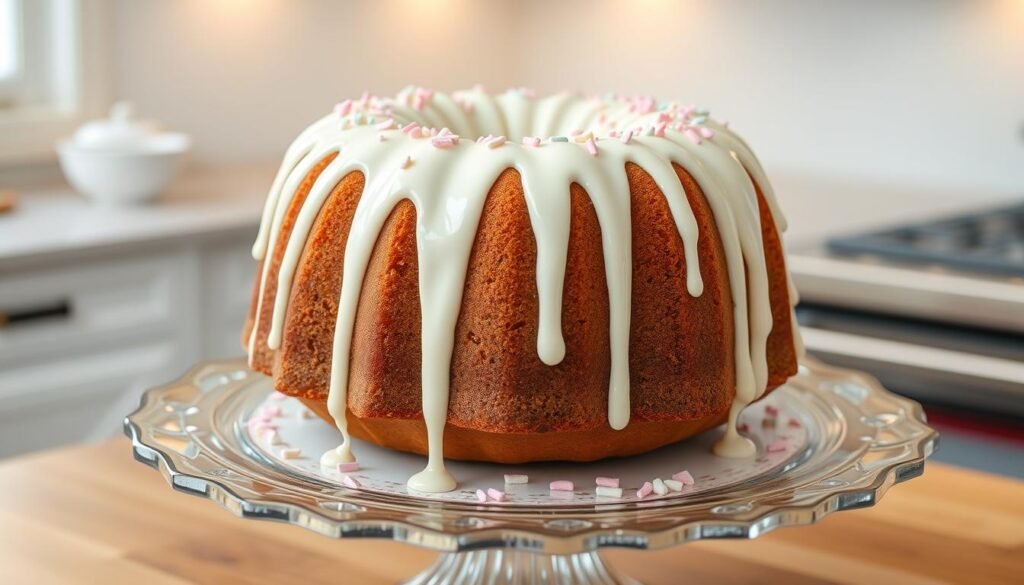
The versatility of a cake made with Swans Down Cake Flour allows for numerous serving possibilities. A simple dusting of powdered sugar can highlight its delicate texture. Alternatively, frost the cake with buttercream, cream cheese frosting, or a ganache for added richness. Serve with fresh berries, whipped cream, or a scoop of ice cream. Pair with a cup of coffee, tea, or a glass of milk. For a more elaborate presentation, layer the cake with fruit fillings, pastry cream, or chocolate mousse.
Tips and Common Mistakes
To achieve baking success with Swans Down Cake Flour recipes, consider these tips and avoid common pitfalls:
- Accurate Measurement: Use measuring cups specifically designed for dry ingredients and level them off with a straight edge.
- Room Temperature Ingredients: Ensure butter, eggs, and milk are at room temperature for optimal emulsification and even baking.
- Avoid Overmixing: Overmixing develops gluten, leading to a tough cake. Mix until just combined.
- Oven Temperature: Verify the oven temperature with an oven thermometer to ensure accuracy.
- Doneness Test: Use a wooden skewer inserted into the center of the cake to check for doneness. If it comes out clean, the cake is done.
- Cooling: Allow the cake to cool completely before frosting to prevent the frosting from melting.
Explore More Cooking Guides
Mastering Swans Down Cake Flour recipes unlocks the potential for creating exquisitely tender and delightful cakes that impress. Its delicate crumb and light texture elevate any celebration or everyday treat. From classic vanilla to adventurous flavor combinations, the possibilities are endless. This journey of culinary exploration highlights the practicality and cultural significance of a well-made cake. Embrace the joy of baking, experiment with flavors, and share your creations with loved ones. Begin your baking adventure today and discover a world of delectable desserts. For more detailed guides and inspired recipes, visit website.com and expand culinary repertoire.
Preparation & Cooking Specifications
| Prep Step | Estimated Time | Chef’s Best Practice |
|---|---|---|
| Mise en Place & Chopping | 10 – 15 Minutes | Keep ingredients uniform for even cooking |
| Active Cooking / Searing | 15 – 25 Minutes | Preheat skillet thoroughly before adding oil |
| Resting & Plating | 5 Minutes | Allow juices to redistribute before slicing |
Images References
Looking for more delicious meal ideas? Explore our tested Desserts & Baking collection for easy, family-friendly recipes.
Images References