Introduction
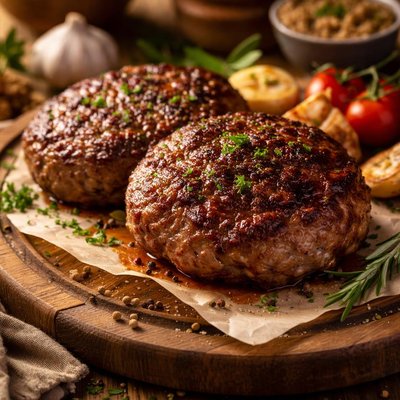
Beef pork mix recipes combine two distinct proteins to create deeply flavorful, texturally balanced traditional comfort foods. According to Culinary Institute of America (CIA) Standards, blending lean beef with higher-fat pork creates an ideal fat-to-protein ratio that maintains moisture during extended cooking processes. Mastering this culinary technique elevates everyday family meals, producing exceptionally tender meatballs, savory meatloaf, and hearty sausages. Exploring traditional flavor profiles requires an understanding of how these complementary meats interact under heat, as detailed across various Beef & Pork Recipes. Kitchen planners seeking reliable culinary frameworks rely on these time-tested combinations to deliver consistent, mouth-watering results.
Culinary Prep Snapshot:
- Core Focus: Combining ground beef and pork for optimal moisture and robust flavor.
- Target Scope: Traditional comfort foods, including meatballs, meatloaf, and regional sausages.
- Key Recommendation: Maintain a 50:50 or 60:40 meat ratio to balance lean beef dryness with pork fat richness.
Core Principles and Detailed Overview
Beef pork mix recipes rely on protein synergy to improve both moisture retention and structural integrity in traditional dishes. Ground beef provides a robust, meaty backbone and firm texture, while ground pork introduces essential intermuscular fat that prevents the finished dish from becoming dense or dry. Professional kitchens apply classic Cooking Methods & Appliances like braising, roasting, and pan-searing to render pork fat slowly, infusing the lean beef fibers with rich flavor. Incorporating aromatic vegetables, stale bread soaked in milk, and binding eggs further enhances the overall crumb structure, securing a tender bite that holds together without excessive compacting.
Key Specifications and Breakdown
| Cooking Step / Component | Key Culinary Technique | Chef’s Quality & Food Safety Secret |
|---|---|---|
| Meat Selection | Balancing 80/20 beef with standard pork | Ensures sufficient natural fat rendering to eliminate the need for excessive artificial binders. |
| Panade Integration | Soaking breadcrumbs in dairy before mixing | Traps moisture inside the protein matrix, preventing dry pockets during high-heat baking. |
| Thermal Cooking | Reaching safe internal temperatures | Cook thoroughly until the center reaches 160°F while maintaining juicy texture through proper fat distribution. |
Ground meat mixtures must reach a verified internal temperature of 160°F (71°C) to ensure complete food safety without sacrificing natural juices. — USDA Food Safety and Inspection Service (FSIS)
Step-by-Step Practical Application and Guidelines
Beef pork mix recipes succeed when home cooks handle the ingredients gently to avoid overworking the proteins. Start by combining chilled meats in a large mixing bowl, gently folding in herbs, spices, and wet panade elements using fingertips or a paddle attachment until just incorporated. Over-mixing compresses the meat fibers, resulting in a rubbery, dense final texture rather than a tender crumb. Shape the mixture lightly into desired forms—such as meatballs or loaves—and place them onto parchment-lined baking sheets or directly into simmering sauces. Utilize reliable Cooking Methods & Appliances to monitor heat application, ensuring even browning on the exterior while preserving internal succulence.
Common Challenges and How to Avoid Them
Beef pork mix recipes occasionally result in dry or crumbly textures when fat renders out too quickly during high-heat cooking. Prevent this common culinary pitfall by incorporating a moisture-rich panade of milk and breadcrumbs, which cushions the proteins as they contract under heat. Another frequent issue involves bland seasoning; because pork and beef absorb salt differently, thoroughly taste-test a small micro-cooked sample of the seasoned raw mix before shaping the entire batch. Maintaining cold ingredients throughout the prep phase also keeps the pork fat solid until cooking begins, guaranteeing optimal juiciness in every traditional comfort food serving.
💬 Frequently Asked Questions
Explore More Time-Tested Home Recipes on WillyRecipes
Mastering classic comfort food requires continuous exploration of traditional culinary techniques, regional flavor pairings, and reliable kitchen standards. Home cooks can discover additional inspiration across every culinary category by visiting the complete collection at WillyRecipes.com to elevate daily family meal planning.
Recipe Step Photos & Variations