Introduction
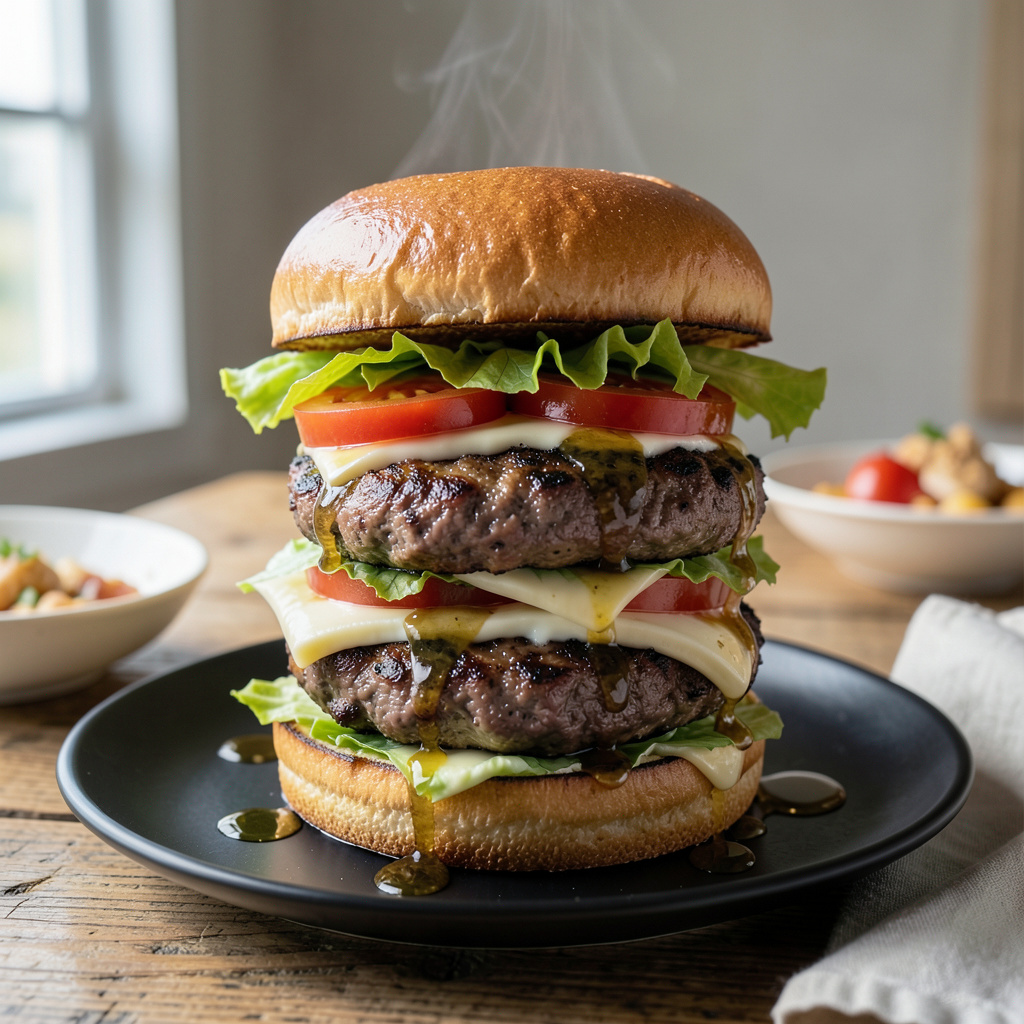
A traditional beef pork patty recipe combines ground chuck and ground pork in an 80/20 ratio to deliver optimal moisture, rich umami flavor, and superior structural integrity for old-fashioned comfort food. According to the USDA Food Safety and Inspection Service (FSIS), ground meat mixtures must be cooked thoroughly to an internal temperature of 160°F to ensure absolute food safety while retaining natural culinary juices. Mastering this time-tested combination transforms humble ingredients into exceptionally savory mains that anchor hearty family meals. For complementary pairings, home cooks frequently explore classic Beef & Pork Recipes to expand traditional menus.
Culinary Prep Snapshot:
- Core Focus: Blending beef and pork for superior moisture, binding, and traditional comfort food flavor.
- Target Scope: Everyday home kitchens seeking dependable, old-fashioned meal preparation methods.
- Key Recommendation: Maintain a cold temperature on ingredients and equipment throughout the mixing and shaping process.
Core Principles and Detailed Overview
Balancing lean beef with higher-fat pork creates the ultimate foundation for traditional pan-fried or grilled patties without the risk of dryness inherent in all-beef preparations. According to Culinary Institute of America (CIA) standards, the structural balance of a composite meat patty relies heavily on gentle handling, minimal salt integration prior to shaping, and a consistent grind size that allows proteins to bind evenly. Traditional home-style execution favors an 80/20 beef-to-pork blend, seasoned simply with black pepper, finely minced onions, garlic, and a touch of Worcestershire sauce to elevate the natural sapidity. These patties can be served alongside options found within Snacks & Sides for a complete dining experience.
Key Specifications and Breakdown
| Cooking Step / Component | Key Culinary Technique | Chef’s Quality & Food Safety Secret |
|---|---|---|
| Meat Selection & Ratio | Combining 75% lean beef with 25% ground pork | Ensures natural fat renders during cooking to prevent a dry texture. |
| Shaping & Dimpling | Pressing a slight thumbprint in the center of each patty | Prevents the meat from swelling into a spherical dome during high-heat searing. |
| Cooking & Monitoring | Pan-searing in a cast-iron skillet over medium-high heat | Verifying an internal temperature of 160°F using an instant-read digital thermometer. |
Cook ground meat mixtures to a minimum internal temperature of 160°F (71.1°C) as verified with a food thermometer — USDA Food Safety and Inspection Service (FSIS)
Step-by-Step Practical Application and Guidelines
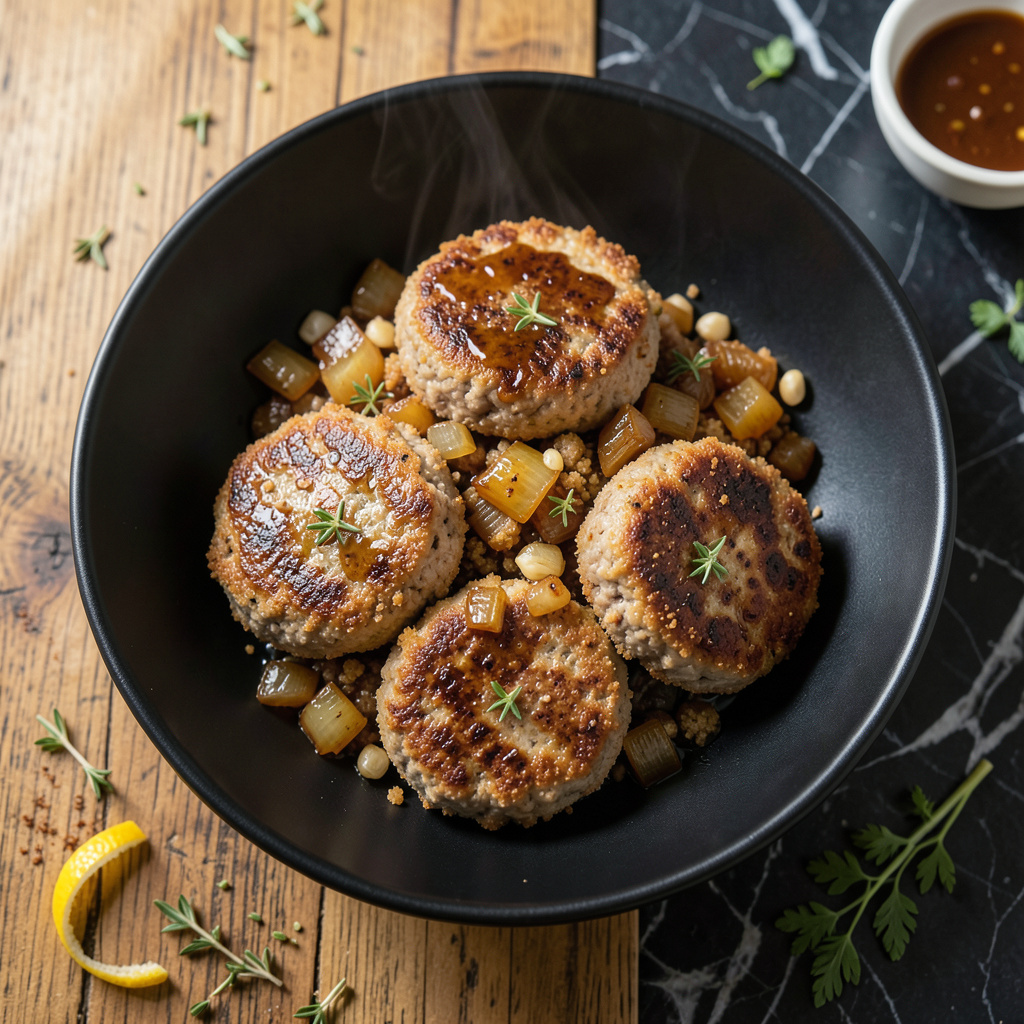
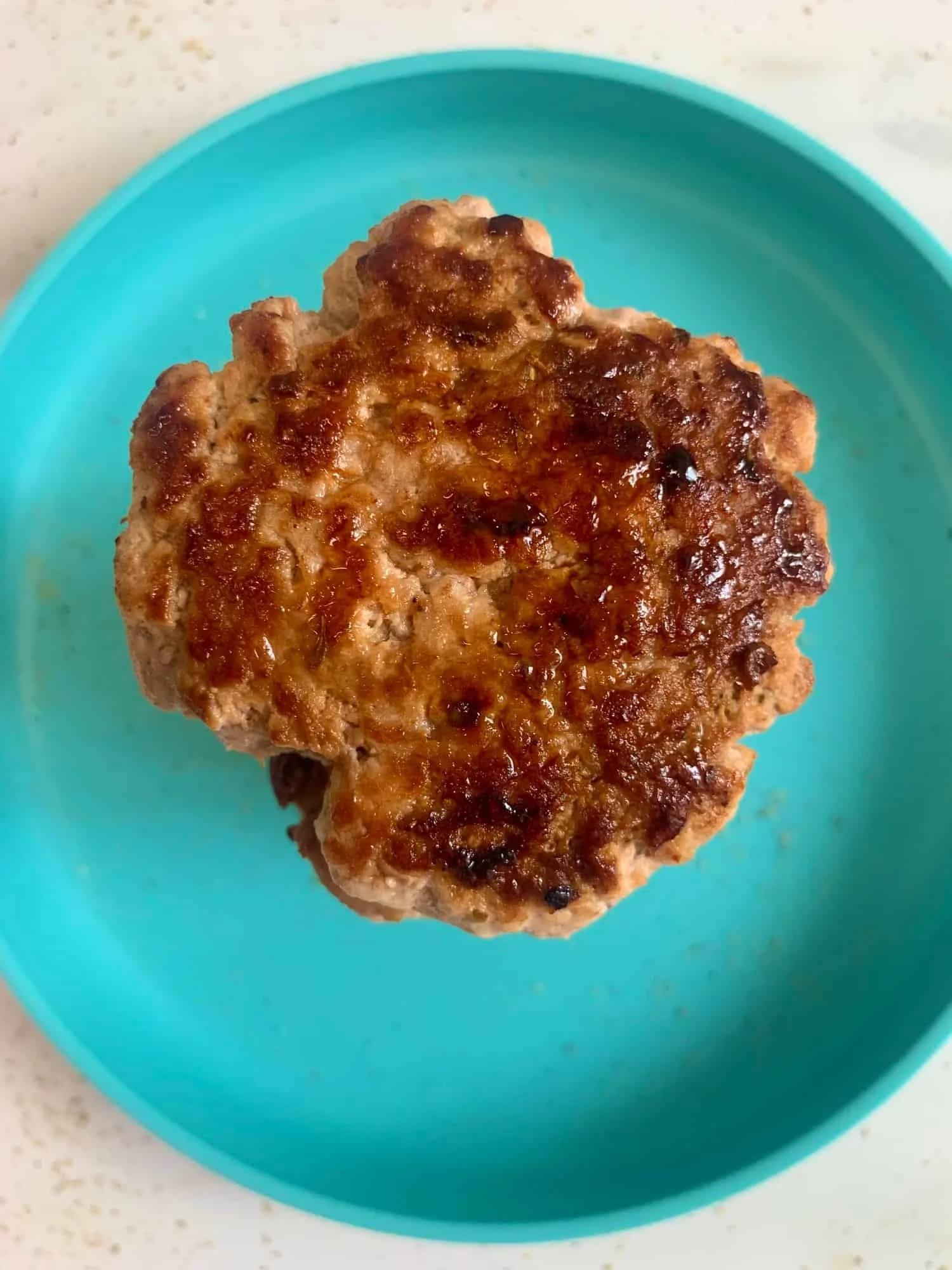
Executing an authentic beef pork patty recipe requires cold ingredients, minimal manipulation, and precise temperature management for optimal crust development and interior juiciness. Begin by thoroughly combining chilled ground beef and chilled ground pork in a large mixing bowl using clean hands or a wooden paddle, taking care not to overmix, which creates a dense, sausage-like texture. Gently divide the mixture into equal portions, lightly shape them into uniform discs approximately three-quarters of an inch thick, and press a shallow indentation into the center of each top surface. Heat a heavy-bottomed skillet over medium-high heat with a small amount of high-smoke-point oil, then sear the patties undisturbed for four to five minutes per side until a deep, caramelized crust forms. For additional culinary inspiration involving traditional comfort food preparation, review reliable techniques via Cooking Methods & Appliances.
Common Challenges and How to Avoid Them
Preventing shrinkage, dryness, and structural collapse during cooking depends on strict adherence to fat ratios, temperature control, and handling restraint. Overworking the protein fibers makes the patties tough, while adding salt too early draws out essential moisture; therefore, seasonings should be folded in swiftly right before forming the shapes. If patties swell excessively or lose their flat profile in the pan, the central dimpling technique was likely omitted or the meat was shaped while too warm. Keeping the raw meat refrigerated until the exact moment of pan-contact guarantees the fat stays suspended within the patty rather than melting away prematurely on the cutting board.
💬 Frequently Asked Questions
Explore More Time-Tested Home Recipes on WillyRecipes
Mastering traditional comfort dishes elevates everyday home cooking into an art form of warmth and reliability. Enthusiasts can continue exploring time-tested culinary instructions, regional favorites, and foundational techniques by visiting the main kitchen library at WillyRecipes.com.
Recipe Step Photos & Variations