Introduction
A traditional beef pork roast recipe combines dual cuts of meat using time-tested slow-cooking methods to deliver maximum comfort and rich, savory flavors. According to the United States Department of Agriculture (USDA) Food Safety and Inspection Service (FSIS), mastering precise internal cooking temperatures ensures both safety and optimal tenderness when preparing multi-meat holiday roasts. Combining beef and pork in a single preparation requires balancing different fat ratios and muscle densities to achieve a uniformly moist texture. Traditional home-style cooking champions these hearty main courses for family gatherings and Sunday dinners. Exploring classic Beef & Pork Recipes provides endless inspiration for mastering traditional meat preparation.
Culinary Prep Snapshot:
- Core Focus: Combining beef and pork roasts for unified, slow-roasted comfort meals.
- Target Scope: Traditional family gatherings and traditional weekend dinners.
- Key Recommendation: Sear exterior surfaces before slow roasting to lock in natural juices.
Core Principles and Detailed Overview
Executing a successful beef pork roast recipe relies on understanding the distinct fat content and connective tissue structures of both animal proteins. Beef chuck or shoulder cuts pair exceptionally well with pork loin or shoulder by balancing lean protein with rich, rendering fats. Searing the exterior surfaces in a heavy-bottomed Dutch oven initiates the Maillard reaction, creating a deeply savory crust before the low-temperature oven phase begins. Integrating aromatic vegetables like onions, carrots, and garlic into the roasting pan enhances the natural pan drippings, laying the foundation for a rich, traditional gravy. Utilizing reliable Cooking Methods & Appliances ensures predictable thermal transfer and consistent moisture retention throughout the long cooking process.
Key Specifications and Breakdown
| Cooking Step / Component | Key Culinary Technique | Chef’s Quality & Food Safety Secret |
|---|---|---|
| Meat Selection | Trussing dual cuts to equal thickness | Tie cuts securely with butcher twine for even cooking speeds. |
| Thermal Searing | High-heat cast-iron pan browning | Develop a deep brown crust to maximize umami flavor compounds. |
| Resting Phase | Uncovered room-temperature resting | Allow juices to redistribute fully before carving to prevent dryness. |
Always verify that whole cuts of beef reach a minimum internal temperature of 145°F with a 3-minute rest, and pork reaches 145°F for optimal safety and texture. — USDA Food Safety and Inspection Service (FSIS)
Step-by-Step Practical Application and Guidelines
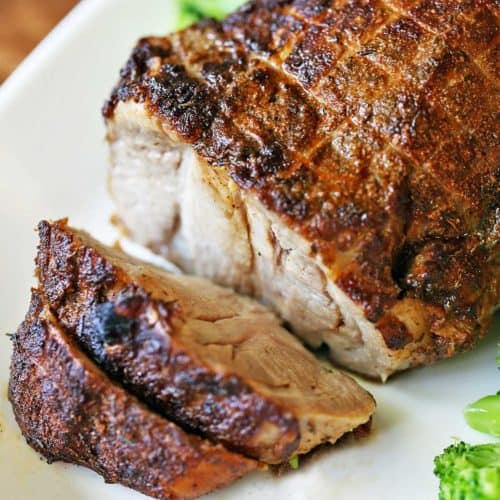
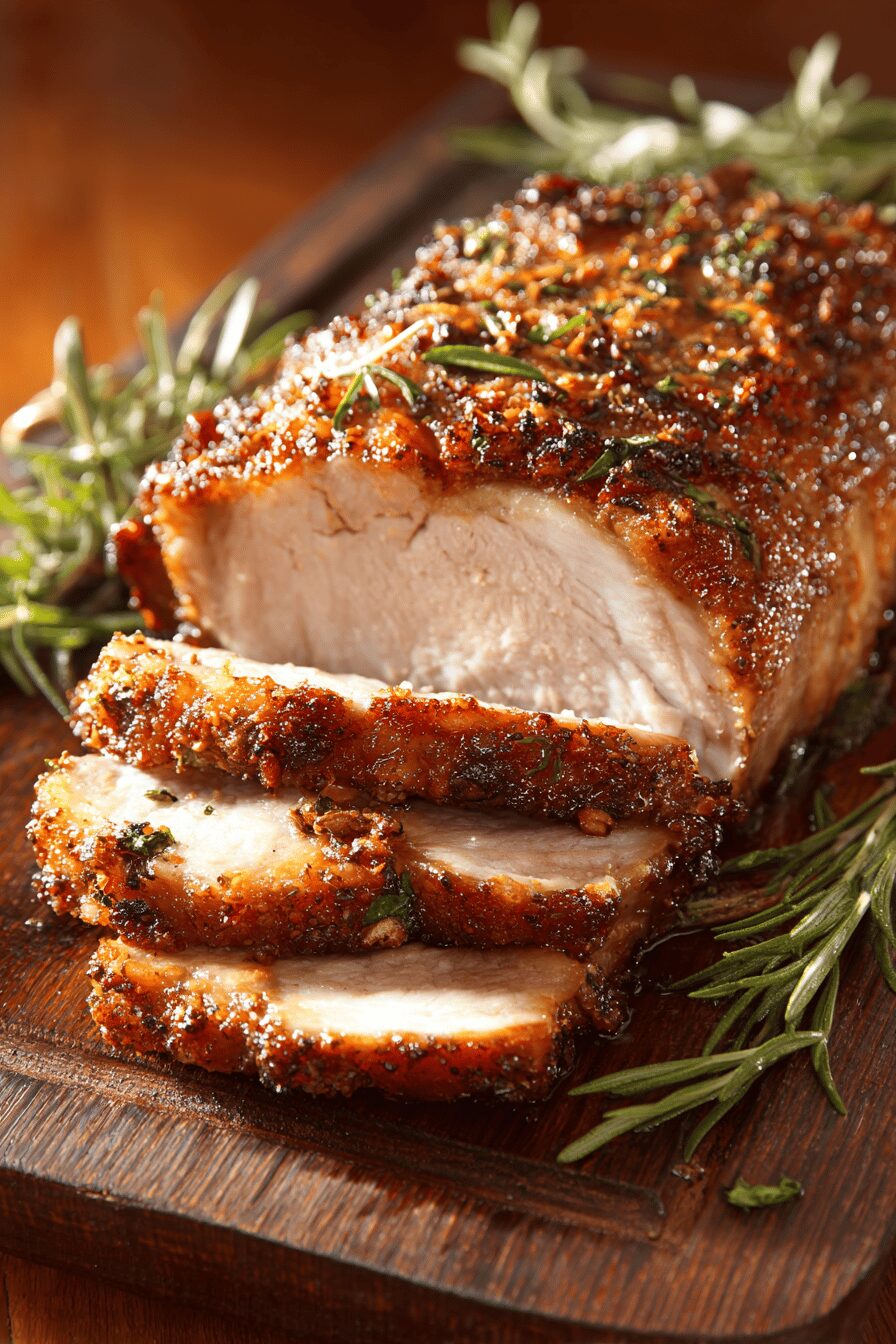
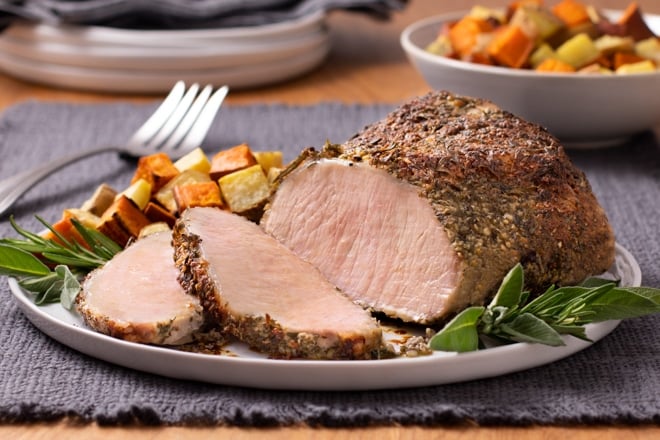
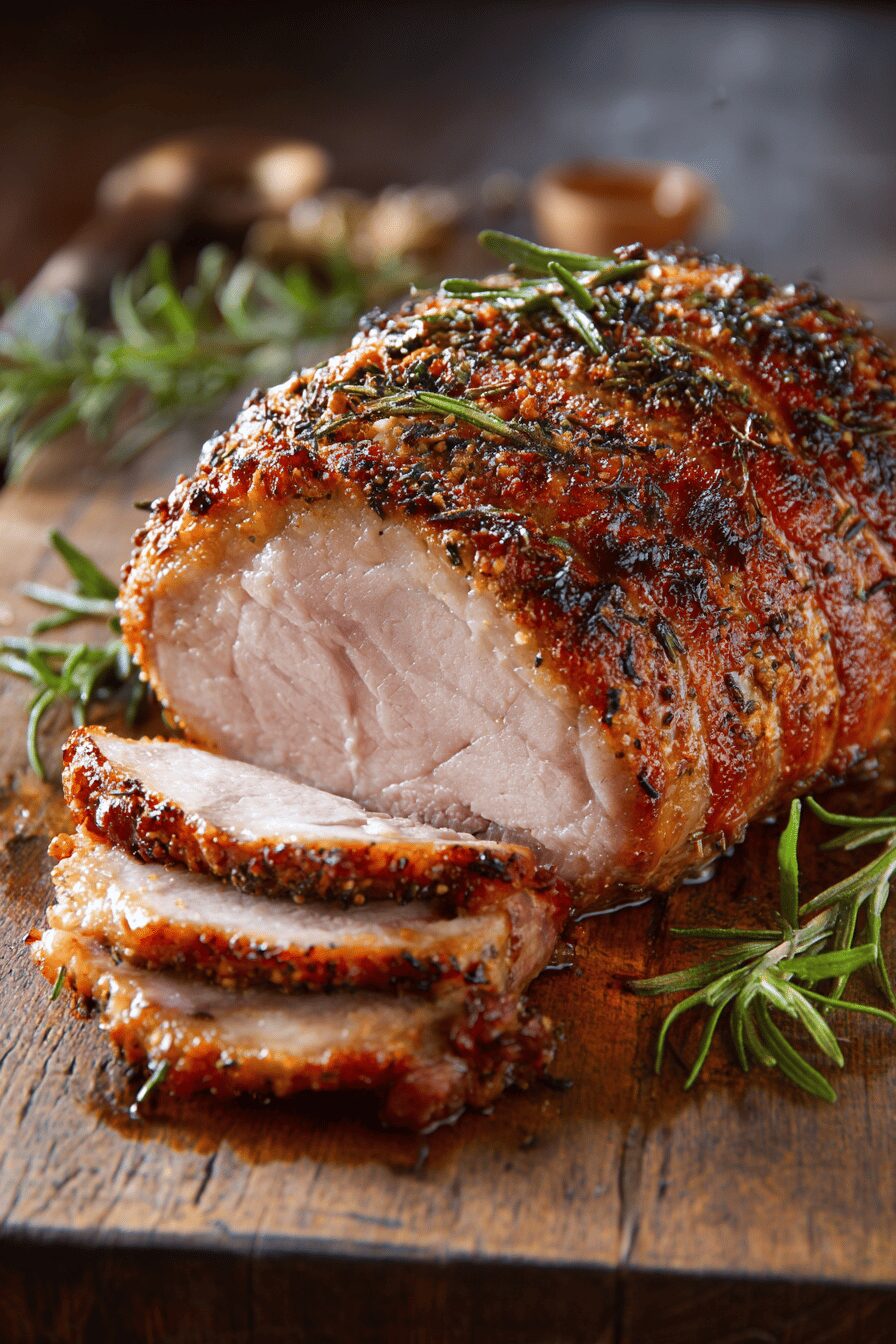
Executing this traditional roast successfully demands a methodical approach from preparation to carving. Begin by patting the beef and pork cuts thoroughly dry with paper towels to ensure proper seasoning adhesion and effective browning. Season all sides generously with coarse kosher salt, freshly cracked black pepper, dried thyme, and minced garlic. Heat rendered lard or neutral cooking oil in a heavy oven-safe Dutch oven over medium-high heat, searing every surface until a rich mahogany crust forms. Add beef stock, dry red wine, and aromatics to the vessel, cover tightly with a heavy lid, and transfer the pot to a preheated oven set to 325°F. Cook slowly until the meat yields easily to a fork, then transfer the roasts to a warm cutting board to rest before slicing against the grain.
Common Challenges and How to Avoid Them
Preventing dry meat in a beef pork roast recipe requires careful monitoring because beef and pork possess different optimal doneness thresholds. Overcooking lean pork while waiting for tough beef connective tissue to break down represents a frequent pitfall for home cooks. Choosing cuts with similar fat distribution or staggering their introduction into the roasting vessel resolves this timing discrepancy. Furthermore, skipping the mandatory resting period causes valuable moisture to escape onto the cutting board, resulting in a dry mouthfeel. Utilizing an accurate digital meat thermometer removes guesswork and guarantees culinary success every time.
💬 Frequently Asked Questions
Explore More Time-Tested Home Recipes on WillyRecipes
Mastering traditional comfort dishes opens the door to countless culinary adventures for home kitchens everywhere. Exploring the curated recipe collections at WillyRecipes.com provides reliable guidance for preparing everything from hearty weekend mains to comforting sides. Discover classic techniques, expert tips, and time-honored dishes designed to bring families together around the dining table.
Recipe Step Photos & Variations