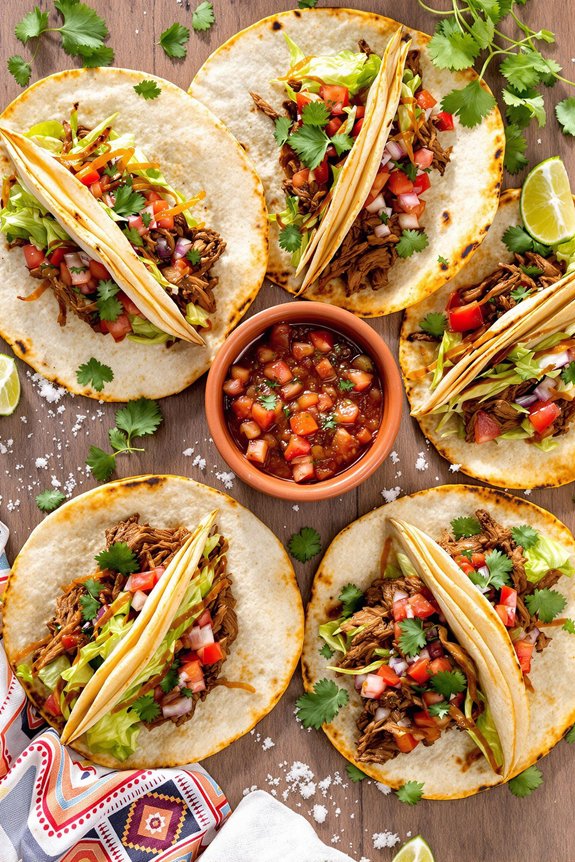
Introduction
A traditional beef pork taco recipe combines ground chuck and minced pork shoulder to create a rich, exceptionally flavorful filling balanced between deep beef savoriness and rich pork fat. According to the USDA Food Safety and Inspection Service (FSIS), ground meats must be cooked to a minimum internal temperature of 160°F to ensure complete food safety while maintaining optimal tenderness. This combination forms a staple of old-fashioned family comfort food, maximizing moisture retention and depth through mixed-protein rendering. Home cooks seeking varied comfort meal options can explore additional techniques within Beef & Pork Recipes for further inspiration.
Culinary Prep Snapshot:
- Core Focus: Blending ground beef and pork shoulder for traditional taco fillings.
- Target Scope: Family meal planners and home cooks prioritizing rich, comforting textures.
- Key Recommendation: Brown the mixed meats thoroughly over medium-high heat to develop deep umami crusts.
Core Principles and Detailed Overview
Balancing lean ground beef with marbled ground pork yields a superior taco filling that avoids the dryness often associated with using beef alone. Direct integration of pork fat allows the spice blend—typically chili powder, cumin, garlic, and oregano—to bloom effectively during the browning process. Traditional home-style cooking demands low-and-slow simmering after the initial sear, incorporating small amounts of beef broth or tomato paste to concentrate flavor. Practitioners of classical Cooking Methods & Appliances apply heavy-bottomed cast iron skillets to achieve optimal Maillard browning without scorching the delicate spices.
Key Specifications and Breakdown
| Cooking Step / Component | Key Culinary Technique | Chef’s Quality & Food Safety Secret |
|---|---|---|
| Meat Selection | Equal parts 80/20 ground chuck and coarse ground pork | Ensures balanced fat rendering and prevents the filling from drying out. |
| Spice Blooming | Dry roasting spices directly in rendered animal fat | Unlocks fat-soluble flavor compounds before adding liquid. |
| Simmering Phase | Low-temperature reduction with broth | Concentrates flavor while ensuring safe internal temperatures. |
Ground meat safety standards require reaching a verified internal temperature of 160°F (71°C) to eliminate harmful pathogens effectively while preserving texture. — USDA Food Safety and Inspection Service (FSIS)
Step-by-Step Practical Application and Guidelines
Executing a successful beef pork taco recipe begins by heating a seasoned cast iron skillet over medium-high heat before adding the meats simultaneously. Break apart the beef and pork with a wooden spatula, allowing the mixture to sear undisturbed for several minutes to develop a deep brown crust. Stir in diced onions, minced garlic, and traditional Mexican spices, cooking for two minutes until aromatic. Pour in a half-cup of low-sodium beef stock, reduce heat to low, and let the mixture simmer uncovered until the liquid reduces completely, coating the meat in a rich glaze.
Common Challenges and How to Avoid Them
Excess grease pooling in the skillet represents the most frequent challenge when combining high-fat cuts of beef and pork. Draining excess fat immediately after the initial browning phase prevents the taco shells or tortillas from becoming soggy during assembly. Furthermore, failing to bloom the spices directly in the rendered fat results in a chalky texture; always add dry seasonings before introducing watery ingredients like tomatoes or stock.
💬 Frequently Asked Questions
Explore More Time-Tested Home Recipes on WillyRecipes
Mastering classic comfort food dishes requires reliable techniques and foundational knowledge passed down through generations of home cooks. Exploring the comprehensive recipe collections available at WillyRecipes.com empowers culinary enthusiasts to expand their repertoires with confidence and precision. Discover additional savory meal ideas, traditional baking projects, and expert kitchen guides tailored for every home kitchen.
Recipe Step Photos & Variations