Introduction
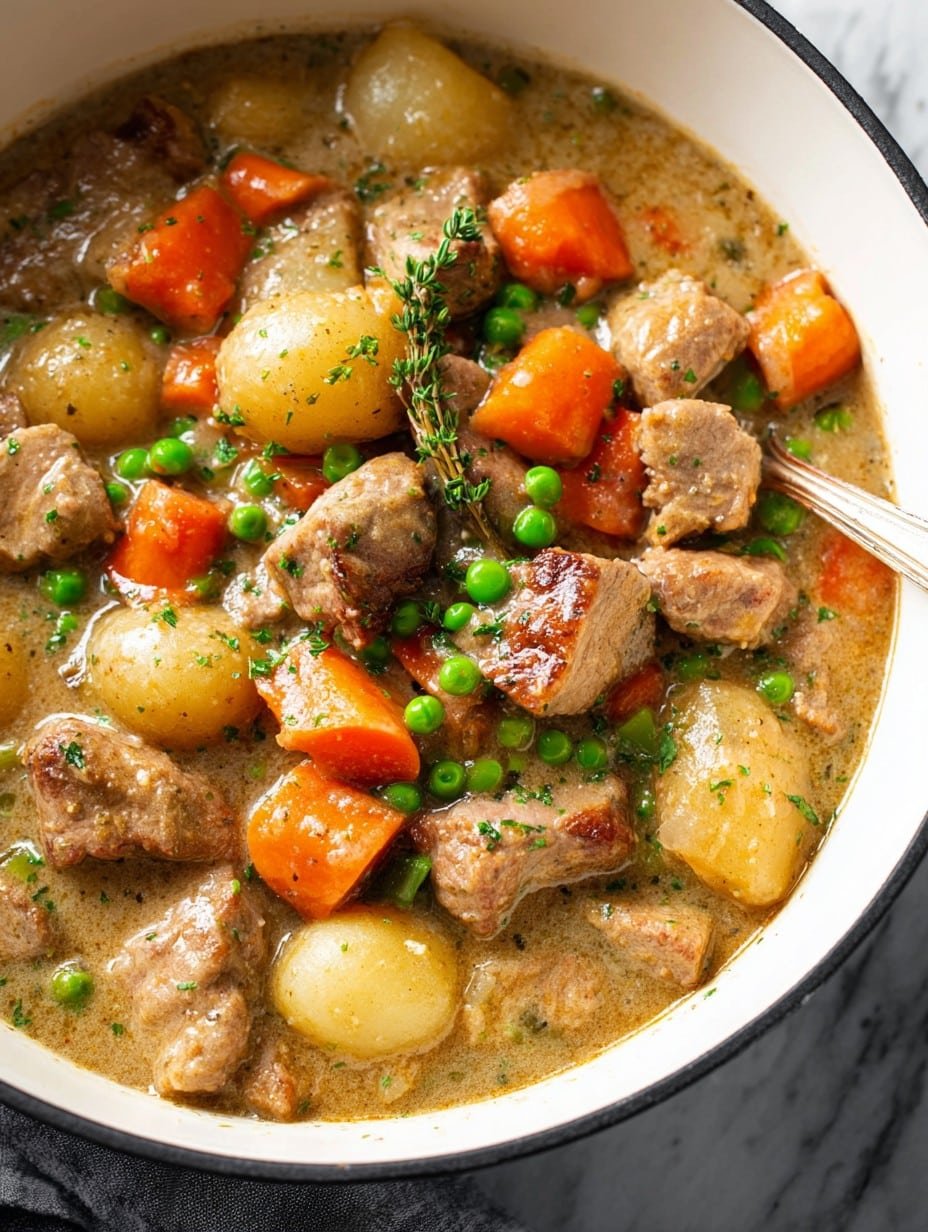
A traditional beef pork stew recipe combines robust chuck roast and marbled pork shoulder simmered slowly in rich broth to create an exceptionally hearty, old-fashioned comfort food. According to the USDA Food Safety and Inspection Service (FSIS), cooking tougher cuts of meat at a gentle simmer for extended periods breaks down stubborn collagen into gelatin, yielding tender bites and a luxurious, velvety sauce. Combining beef and pork brings a complex flavor profile to the pot, balancing the deep, savory character of beef with the subtle sweetness of pork. Exploring these time-tested flavor combinations enriches home-style cooking repertoires and delivers deeply satisfying meals for family gatherings. Additional inspiration for pairing hearty dishes with other comforting mains is readily available within the comprehensive Soups & Casseroles collection.
Culinary Prep Snapshot:
- Core Focus: Slow-simmering dual-meat stew utilizing beef chuck and pork shoulder.
- Target Scope: Traditional family-style comfort cooking requiring precise heat management.
- Key Recommendation: Sear meats thoroughly before braising to build deep fond and complex umami layers.
Core Principles and Detailed Overview
Executing a proper dual-meat stew requires understanding how different protein structures react to sustained moisture and heat over several hours. Beef chuck and pork shoulder possess ample connective tissue that demands low-temperature conversion to achieve melt-in-the-mouth tenderness. Searing the meat cubes in a heavy-bottomed Dutch oven establishes a rich crust via the Maillard reaction, which fortifies the braising liquid when deglazed with wine, cider, or aromatic stock. Root vegetables such as carrots, parsnips, and potatoes are added in staggered intervals to prevent overcooking while absorbing the seasoned savory broth. For cooks interested in expanding their repertoire with alternative comfort proteins, exploring the curated selections within Beef & Pork Recipes provides valuable methodology for braising and roasting.
Key Specifications and Breakdown
| Cooking Step / Component | Key Culinary Technique | Chef’s Quality & Food Safety Secret |
|---|---|---|
| Meat Preparation | Even cubing and thorough surface drying | Dry meat thoroughly with paper towels to ensure an optimal sear without steaming. |
| Braising Liquid | Deglazing with stock, wine, or aromatics | Scrape up all browned bottom bits (fond) to maximize natural flavor depth in the broth. |
| Vegetable Timing | Staggered addition based on density | Add dense root vegetables midway through simmering to prevent disintegration into mush. |
Maintain a gentle simmer between 185°F and 205°F during braising to successfully melt connective collagen without toughening muscle fibers — Culinary Institute of America (CIA) Standards
Step-by-Step Practical Application and Guidelines
Mastering this rustic dish involves careful staging, starting with cutting equal-sized chunks of beef and pork to guarantee uniform cooking times. Season the cubed proteins generously with kosher salt and freshly cracked black pepper before browning them in batches over medium-high heat with rendered fat or cooking oil. Remove the seared meat and sauté aromatics like yellow onions, garlic, and tomato paste in the remaining fond until caramelized. Pour in low-sodium beef broth and dry red wine, return the meats to the pot along with bay leaves and thyme, cover securely, and transfer to a low oven or maintain a stovetop simmer for two to three hours until fork-tender.
Common Challenges and How to Avoid Them
Preventing watery broth and tough meat requires avoiding high-heat boiling and rushing the tenderization process. If the sauce remains too thin after the meat is tender, remove the lid during the final thirty minutes of cooking to reduce the liquid naturally, or whisk in a cold butter-and-flour paste known as beurre manié. Over-salted stews can happen if using heavily salted commercial stocks; always opt for unsalted broths and adjust seasoning at the very end of the cooking cycle after natural reduction has concentrated the flavors.
💬 Frequently Asked Questions
Explore More Time-Tested Home Recipes on WillyRecipes
Embracing traditional comfort cooking transforms everyday ingredients into extraordinary family meals that warm the soul. Discover additional heritage baking projects, slow-simmered braises, and seasonal dinner ideas by browsing the extensive recipe archives available at WillyRecipes.com.
Recipe Step Photos & Variations